Peperomia polybotrya
Peperomia polybotrya (Raindrop) Care Guide
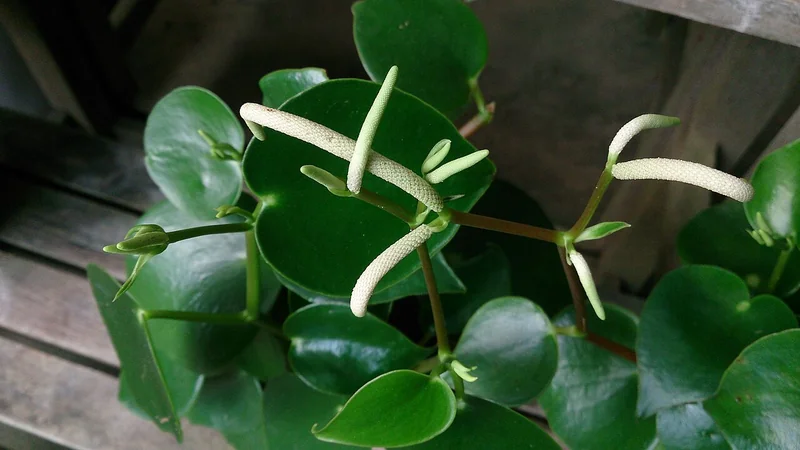 Featured photopeperomia-polybotrya.jpg
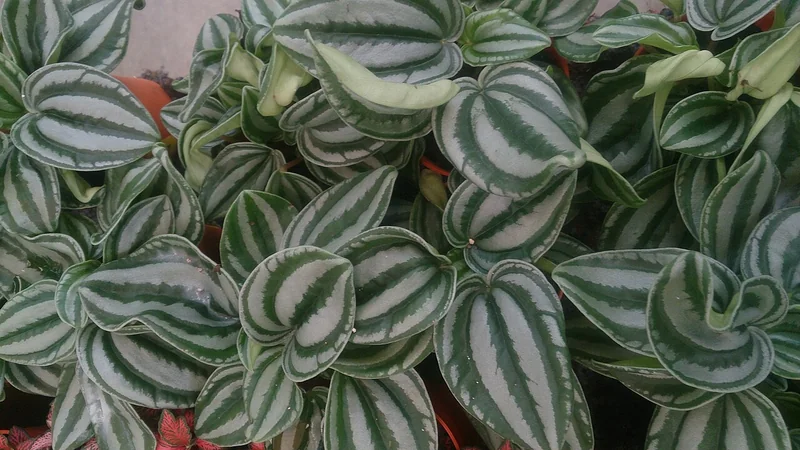
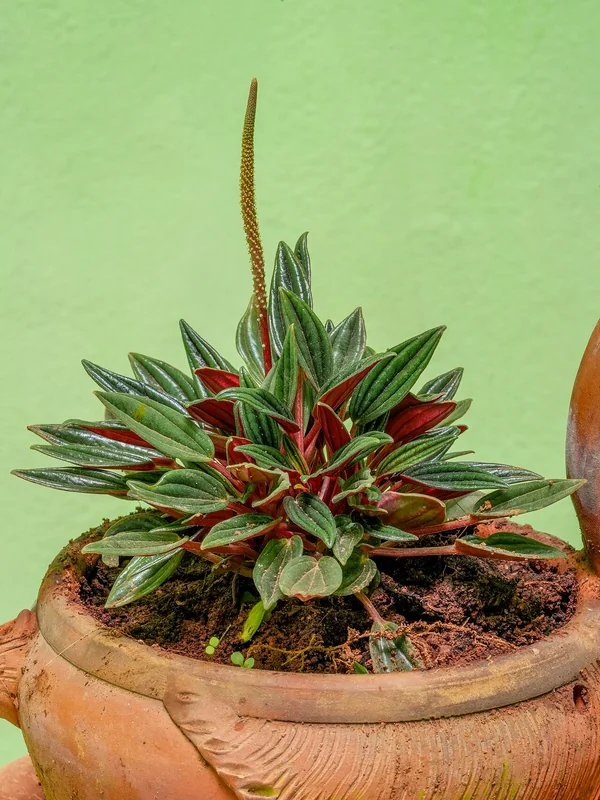
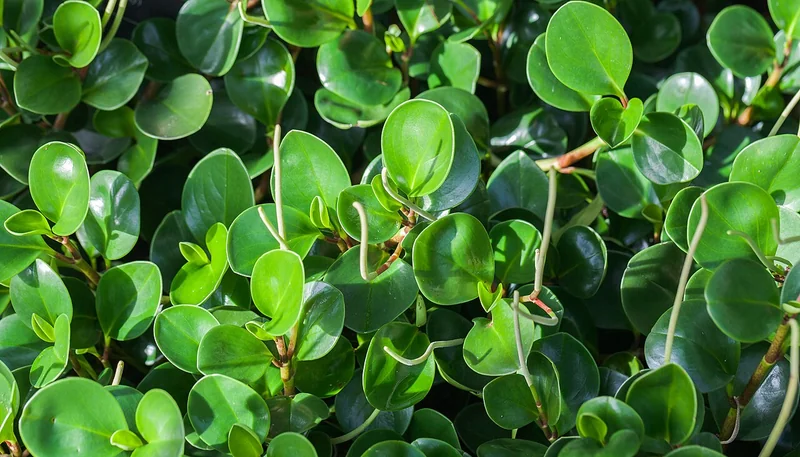
Peperomia polybotrya is the raindrop peperomia — thick, glossy, teardrop-shaped leaves on tidy upright stems. It is sometimes confused with Pilea peperomioides because the leaves are similarly disc-like, but a raindrop's leaves come to a clear point and attach at the leaf edge, not the centre. It is easy in average rooms and propagates readily from cuttings.
Care facts at a glance
- Light
- Bright indirect
- Water
- Water when the top 2 to 3 cm of mix has dried.
- Humidity
- 40–60 %
- Temperature
- 18–27 °C
- Soil
- Well-draining mix of peat or coir with perlite.
- Origin
- Forests of Colombia and Peru.
- Mature size
- 30 to 45 cm tall.
Overview
Peperomia polybotrya was described in the early 1900s and is sometimes confused with Pilea peperomioides because both have round, glossy leaves on slender stems. The leaf attachment is the giveaway: polybotrya has a normal edge-attached petiole, peperomioides is peltate with a centre-attached petiole.
Care Priorities
- Bright filtered light keeps growth compact.
- Water sparingly; the leaves and stems store moisture for weeks.
- Pinch back stems to encourage bushier growth.
- Avoid moving the plant suddenly between light levels — leaves drop in protest.
Common Problems
Yellow lower leaves are overwatering. Long bare stems indicate low light. Curled leaves are usually thirst — water and they unfurl within hours.
Sources & further reading (2)
- encyclopedia — accessed 2026-04-28
- botanical-garden — accessed 2026-04-28
Frequently asked questions
Is it the same as Pilea peperomioides?
No. Both have rounded glossy leaves but raindrop leaves are teardrop-shaped with normal petiole attachment, while Pilea peperomioides leaves are peltate (petiole attached at centre).
Why is my raindrop falling over?
The succulent stems get top-heavy with age. Stake or take cuttings and replant a new compact specimen.
Can I keep it on a low-light shelf?
It survives in moderate light but stretches and looks leggy. Bright filtered light keeps the form tight.