Oxalis triangularis
Oxalis triangularis (Purple Shamrock) Care Guide
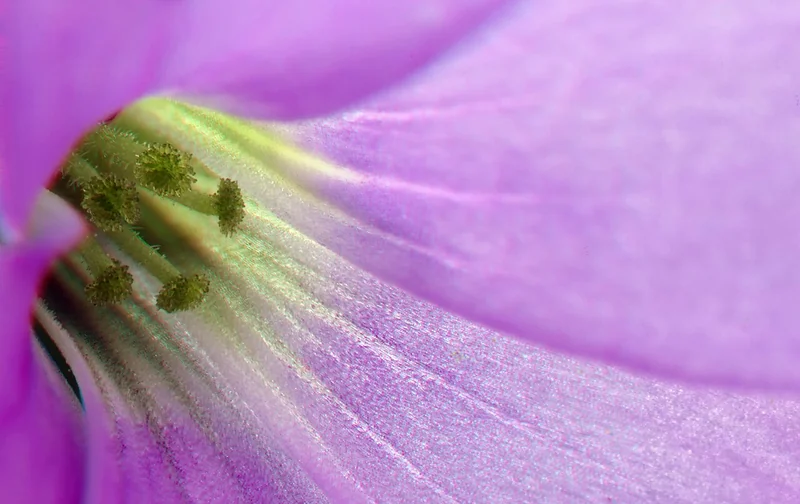 Featured photooxalis-triangularis.jpg
Oxalis triangularis, sold as the purple shamrock, is a Brazilian Oxalidaceae with three-part triangular leaflets coloured deep burgundy-purple. The leaflets fold downward at night and reopen in the morning, similar in mechanism to the prayer-plant nyctinasty of Marantaceae.
Care facts at a glance
- Light
- Bright indirect
- Water
- Water when the top 2 cm of mix has dried.
- Humidity
- 40–60 %
- Temperature
- 15–24 °C
- Soil
- Free-draining peat-rich houseplant mix with perlite.
- Origin
- Brazil, especially the Atlantic forest region.
- Mature size
- 20 to 30 cm tall and wide.
Overview
Oxalis triangularis belongs to Oxalis, a global Oxalidaceae genus of about 570 species. The Brazilian O. triangularis is unusual within the genus for its deep burgundy-purple foliage, the colour produced by intense anthocyanin pigmentation. The plant grows from a small underground bulb that allows it to rest dormant during stress periods.
Care Priorities
- Bright filtered light keeps the purple colour vivid.
- Cool to moderate temperatures (15 to 24 °C).
- Water when the top 2 cm of mix is dry; reduce during dormancy.
- Plant the bulb 2 to 3 cm below the soil surface.
Common Problems
Sudden leaf collapse usually means dormancy onset rather than disease — keep the bulb cool and dry until new shoots emerge. Pale or green leaves indicate insufficient light. Aphids cluster on growing tips.
Sources & further reading (2)
- encyclopedia — accessed 2026-04-29
- botanical-garden — accessed 2026-04-29
Frequently asked questions
Why do the leaves close at night?
O. triangularis leaves fold downward at night and reopen in the morning — a form of nyctinasty similar to prayer plants. The mechanism uses pulvini at the base of each leaflet, pressure changes in those tissues moving the leaflets in response to light. The behaviour is genus-typical for *Oxalis*.
Why did my Oxalis suddenly die back?
O. triangularis enters dormancy when stressed (heat, drought, or seasonal cues), with leaves dying back to the underground bulb. Stop watering, wait several weeks, and new shoots typically emerge once the plant is ready to grow again. Don't discard the pot — the bulb persists.
Will it tolerate a sunny windowsill?
Bright filtered light suits O. triangularis best — direct midday sun bleaches the purple toward green-purple. A few hours of direct morning sun preserves the colour, but afternoon sun in summer is usually too strong indoors.