Monstera obliqua
Monstera obliqua Care Guide
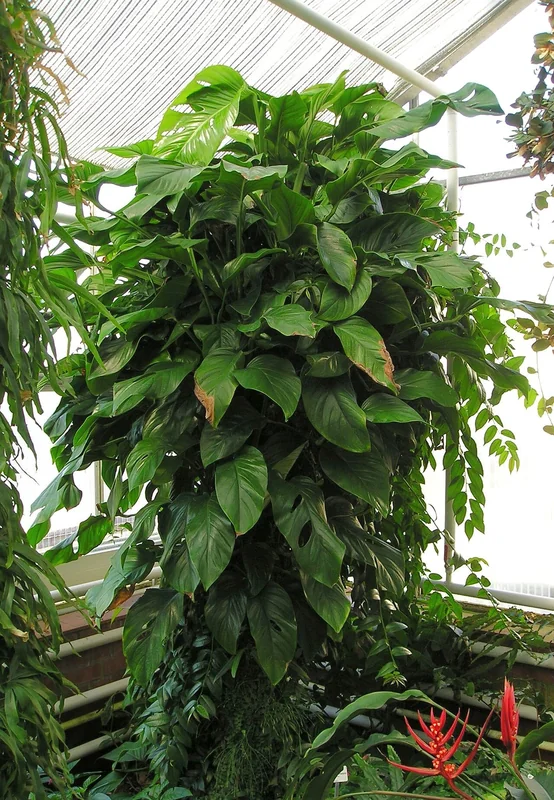 Featured photomonstera-obliqua.jpg
Monstera obliqua is the rare species adansonii is most often mistaken for. Its leaves are extremely thin, with holes far larger than the remaining tissue — a true skeleton appearance. It is slow, finicky, and needs constant high humidity to survive indoors. Most plants sold as obliqua in mainstream nurseries are actually M. adansonii.
Care facts at a glance
- Light
- Bright indirect
- Water
- Keep the chunky mix lightly moist at all times; water as soon as the top dries.
- Humidity
- 80–95 %
- Temperature
- 20–27 °C
- Soil
- Very chunky aroid mix with extra sphagnum to hold moisture; mounted setups also work.
- Origin
- Rainforests of Peru and surrounding Amazon basin countries.
- Mature size
- Slender vines to 1.5 metres in cultivation; leaves under 25 cm long.
Overview
Monstera obliqua is one of the rarest species in the genus in cultivation, with a leaf form so heavily fenestrated that the plant looks like a skeleton. Most popular references about obliqua are actually about adansonii — this species is genuinely uncommon.
Care Priorities
- Terrarium or enclosed grow space; humidity below 80 percent stalls it fast.
- Steady warmth in the low 20s °C.
- Bright but soft, filtered light — the thin leaves burn easily.
- Avoid disturbing the roots; this species sulks for months after repotting.
Common Problems
Leaf collapse and crisping after a humidity drop is the textbook obliqua failure mode. Yellowing is overwatering on a stagnant mix. Slowness is normal — even healthy plants push only a few leaves a year.
Sources & further reading (2)
- encyclopedia — accessed 2026-04-28
- botanical-garden — accessed 2026-04-28
Frequently asked questions
How can I tell if I really have obliqua?
Genuine obliqua leaves are paper-thin and almost translucent, with holes occupying most of the leaf area. Adansonii leaves are thicker and hold their shape; obliqua leaves crumple if pinched.
Can it survive in a normal living room?
Almost never. Without enclosed humidity it crisps within weeks.
Is it worth the difficulty?
Only for collectors with terrarium setups. For the typical living-room grower, M. adansonii gives 90 percent of the look with 10 percent of the fuss.