Graptopetalum paraguayense
Graptopetalum paraguayense (Ghost Plant) Care Guide
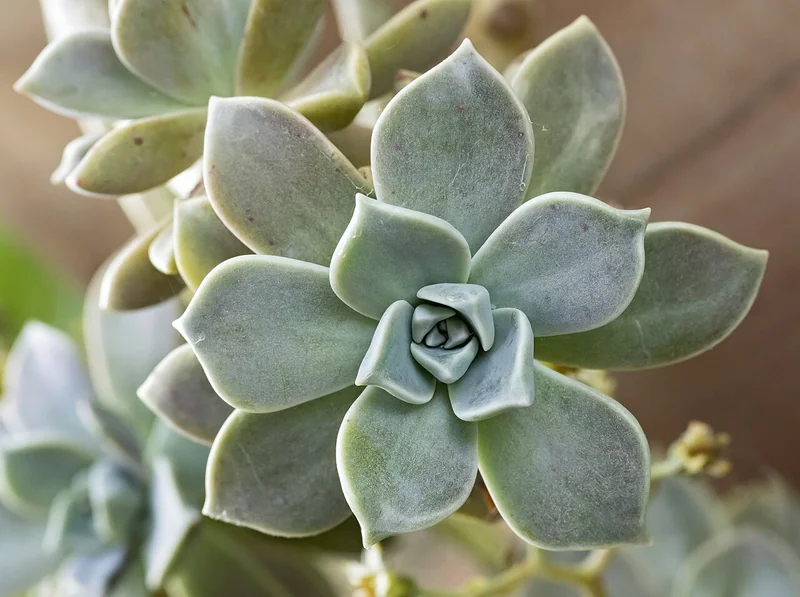 Featured photograptopetalum-paraguayense.jpg
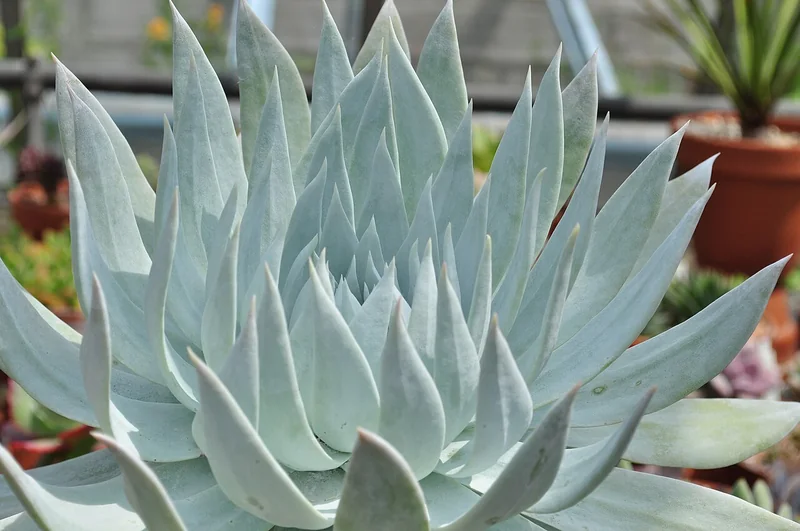
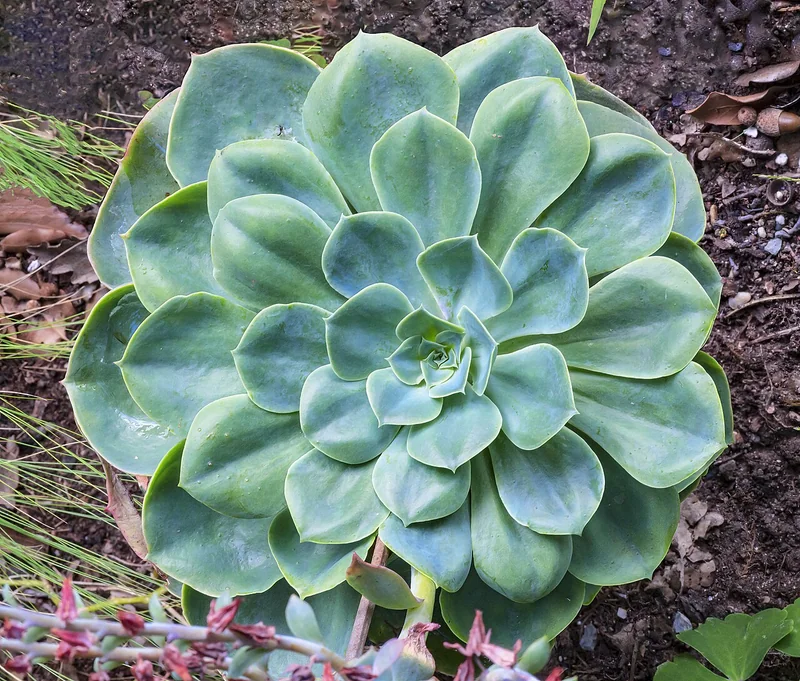
Graptopetalum paraguayense, sold as Ghost Plant, is a rosette succulent in Crassulaceae. A Mexican rosette succulent with thick triangular pale grey-blue leaves coated in a heavy waxy bloom, giving the rosette a ghostly silvery appearance. Despite the species name, the plant is Mexican rather than Paraguayan. Like most members of its group it forms tight rosettes of thick fleshy leaves, tolerates long dry spells thanks to its water-storing tissue, and propagates readily from leaves or offsets.
Care facts at a glance
- Light
- Full sun
- Water
- Water deeply when the mix is fully dry.
- Humidity
- 20–50 %
- Temperature
- 5–27 °C
- Soil
- Free-draining gritty cactus mix with extra perlite or pumice.
- Origin
- Limestone canyons of Tamaulipas, Mexico (despite the misleading species name).
- Mature size
- 5 to 30 cm tall and wide depending on species.
Overview
Graptopetalum paraguayense sits in Crassulaceae, the same family as Sedum and Echeveria. A Mexican rosette succulent with thick triangular pale grey-blue leaves coated in a heavy waxy bloom, giving the rosette a ghostly silvery appearance. Despite the species name, the plant is Mexican rather than Paraguayan. The thick succulent leaves store water reserves and the typical rosette architecture maximises sun capture in the species' open native habitats.
Care Priorities
- Full sun or very bright filtered light to keep rosettes compact.
- Free-draining gritty mix.
- Water deeply, then let the mix dry fully.
- Detach offsets to keep colonies tidy and propagate.
Common Problems
Stretched, pale rosettes are insufficient light. Mushy base is overwatering. Brown leaf tips are usually old age and harmless.
Sources & further reading (2)
- encyclopedia — accessed 2026-04-29
- botanical-garden — accessed 2026-04-29
Frequently asked questions
Is it really from Paraguay?
No — despite the species name *paraguayense*, G. paraguayense is endemic to limestone canyons in Tamaulipas, north-east Mexico. The species was described from cultivated material whose true origin had been forgotten, and the misleading name has stuck despite later collections clarifying the natural range.
Why is the rosette stretching upward?
Stretched, elongated rosettes indicate insufficient light. Most rosette succulents need direct sun for at least a few hours a day to stay tight; in dim conditions they reach for the brightest light and lose their compact shape.
Can I propagate from a single leaf?
Yes — most rosette succulents propagate readily from leaves. Twist a healthy leaf cleanly off the rosette, callus the wound for a day or two, and lay it on dry succulent mix. Roots and a new rosette typically appear within a few weeks.