Goeppertia musaica
Goeppertia musaica (Network Plant) Care Guide
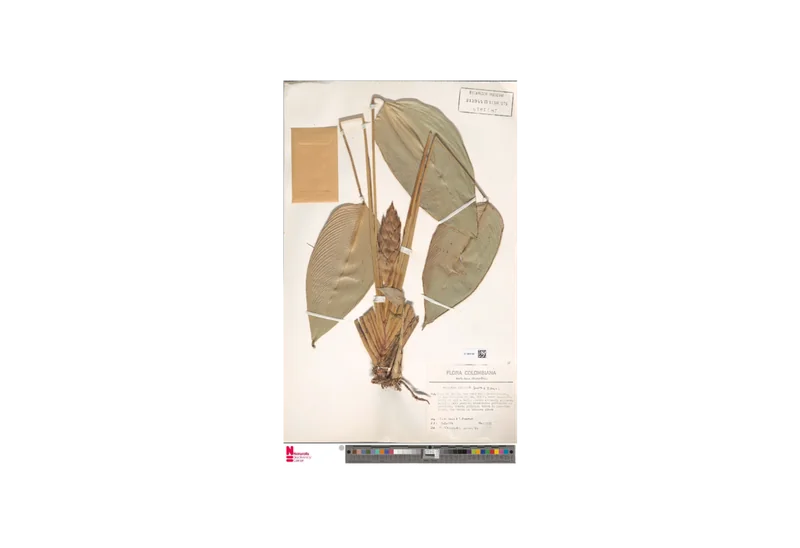 Featured photogoeppertia-musaica.jpg
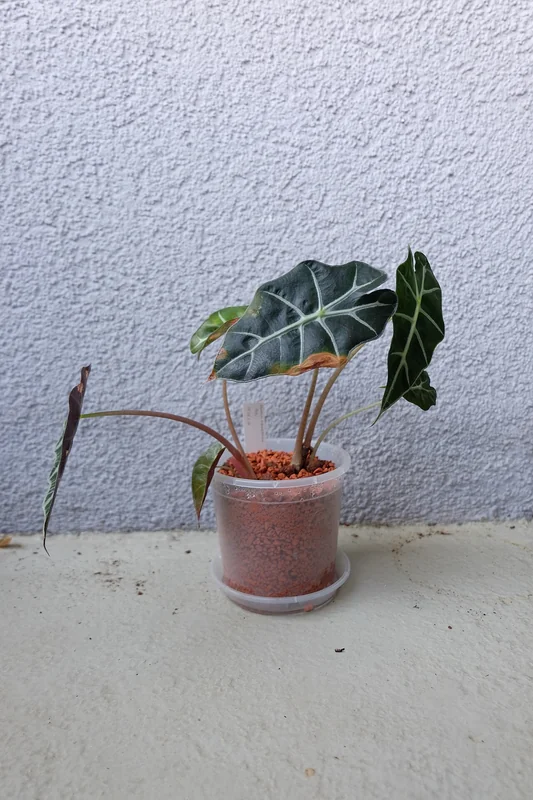
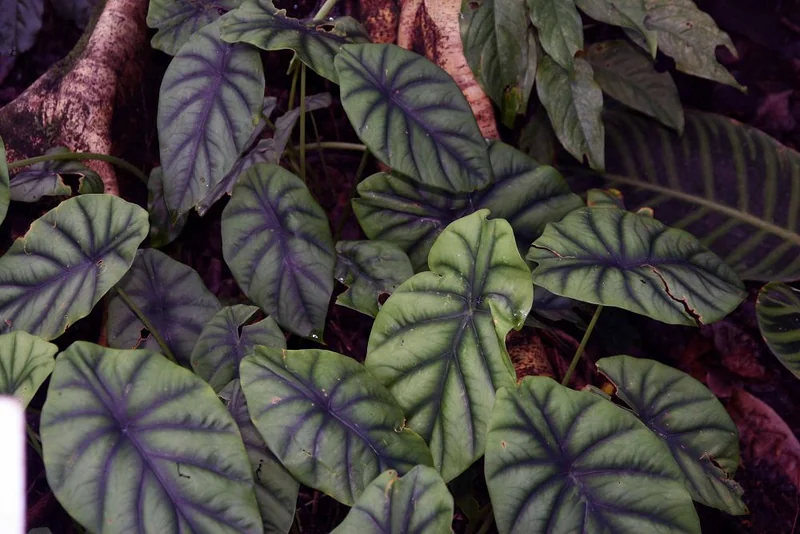
Goeppertia musaica, sold as Network Plant, is a member of *Goeppertia*, a Marantaceae genus of about 250 species, most reclassified from *Calathea* in 2012. A Brazilian Goeppertia (formerly Calathea musaica) with rectangular leaf cells creating a fine pale-green grid pattern across darker green leaves, looking like a network or mosaic of small pale tiles. Like most prayer plants the leaves fold upward at night and open by day — the nyctinasty that gives the family its name.
Care facts at a glance
- Light
- Bright indirect
- Water
- Water when the top 1 to 2 cm of mix has dried, then water thoroughly.
- Humidity
- 60–80 %
- Temperature
- 18–27 °C
- Soil
- Peat-based, well-draining houseplant mix with extra perlite for aeration.
- Origin
- Tropical forest understorey of Central and South America.
- Mature size
- 30 to 90 cm tall depending on species.
Overview
Goeppertia musaica sits in Goeppertia, the genus that absorbed most ornamental Calathea in 2012. A Brazilian Goeppertia (formerly Calathea musaica) with rectangular leaf cells creating a fine pale-green grid pattern across darker green leaves, looking like a network or mosaic of small pale tiles. The family Marantaceae contains about 550 species across the tropics, almost all sharing the prayer-plant nyctinasty and the foliage-first ornamental appeal.
Care Priorities
- Bright filtered light, never direct midday sun.
- Evenly moist soil — neither soggy nor dry.
- Humidity above 60 percent prevents leaf-edge crisping.
- Water with rainwater or distilled water to avoid leaf burn.
Common Problems
Crispy leaf edges trace back to dry air, hard water, or inconsistent watering. Curled leaves signal thirst or low humidity. Yellow lower leaves with sour-smelling pot mean root rot.
Sources & further reading (2)
- encyclopedia — accessed 2026-04-29
- botanical-garden — accessed 2026-04-29
Frequently asked questions
Why are the leaves patterned in a grid?
G. musaica leaves carry a regular grid of pale-green rectangular cells overlaid on a darker green base — the pattern looks like a fine mosaic, hence the species name (*musaica* meaning 'mosaic'). The grid is genetic and species-typical, consistent across all mature plants.
Why are the leaves curling at night?
Goeppertia and other Marantaceae fold their leaves upward at night — that's the family's namesake nyctinasty, not a stress response. The leaves open again in the morning under good conditions.
Why are the edges browning?
Browning leaf edges trace back to tap-water minerals (fluoride and chlorine concentrate at leaf margins), low humidity, or uneven watering. Switch to filtered or rainwater and aim for at least 60 percent humidity.