Dracaena surculosa
Dracaena surculosa (Gold Dust Dracaena) Care Guide
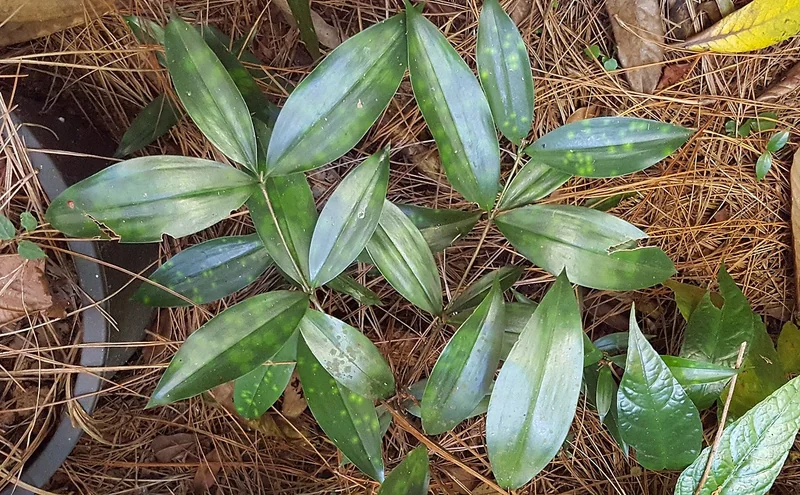 Featured photodracaena-surculosa.jpg
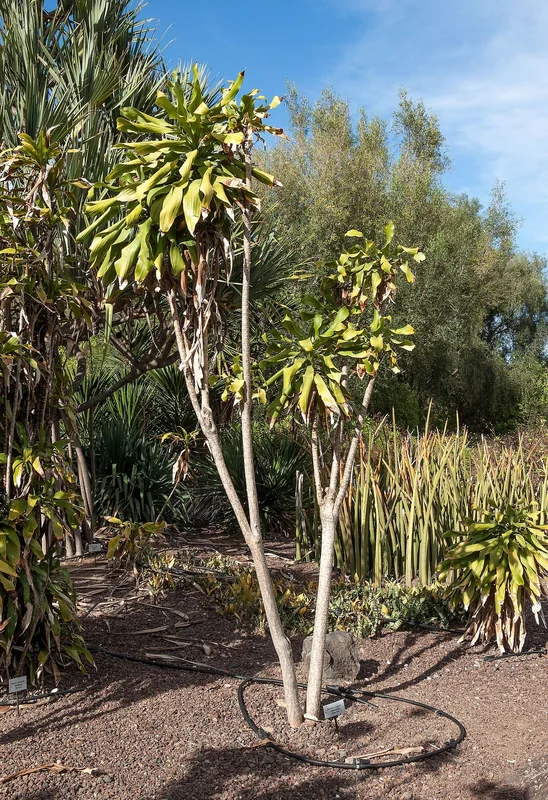
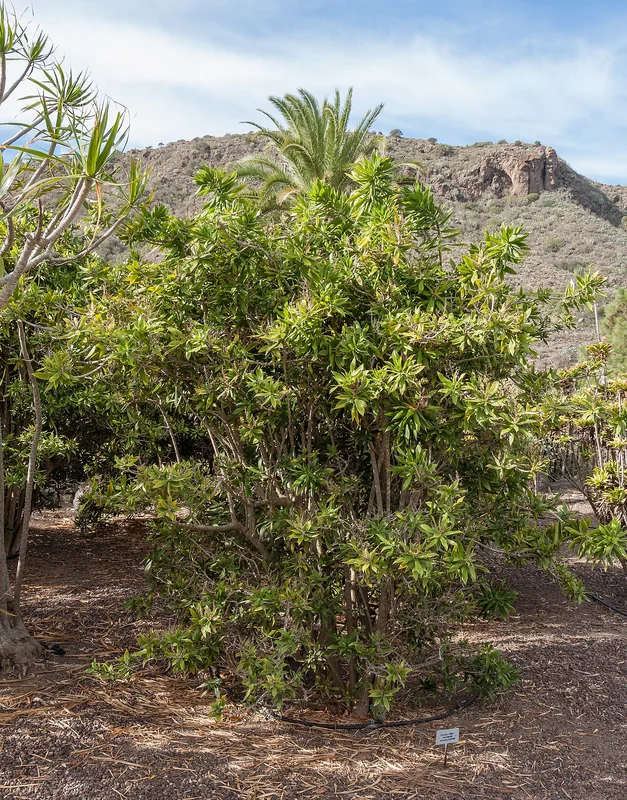
Dracaena surculosa, commonly sold as Gold Dust Dracaena, is a slow-growing Asparagaceae shrub kept indoors for its strap-like leaves and architectural form. A West African species with broad green leaves dusted with cream-yellow spots, more shrub-like than the strap-leaved Dracaena most growers know. It tolerates lower light than most patterned tropicals and accepts a forgiving watering schedule, making it a long-lived floor plant.
Care facts at a glance
- Light
- Medium light
- Water
- Water when the top 4 to 5 cm of mix has dried.
- Humidity
- 40–60 %
- Temperature
- 16–27 °C
- Soil
- Free-draining houseplant mix with extra perlite or pumice.
- Origin
- Tropical Africa, Madagascar, and southern Asia.
- Mature size
- 1 to 2 m tall indoors, 50 to 80 cm spread.
Overview
Dracaena surculosa is one of the longer-lived genera in cultivation. A West African species with broad green leaves dusted with cream-yellow spots, more shrub-like than the strap-leaved Dracaena most growers know. Indoor specimens routinely reach 30 to 50 years with adequate light and consistent care.
Care Priorities
- Bright indirect light is ideal; medium light works but slows growth.
- Water when the top 4 to 5 cm of soil is dry — never let the pot sit in water.
- Feed sparingly in spring and summer; do not feed in winter.
- Use rainwater or distilled water to prevent leaf-tip browning.
- Wipe leaves monthly to remove dust and check for spider mites.
Common Problems
Brown leaf tips are the most common complaint and trace back to tap water minerals, low humidity, or salt buildup from over-fertilising. Soft yellow leaves indicate overwatering. Webbing under leaves means spider mites — rinse the plant under a shower and treat with insecticidal soap.
Sources & further reading (2)
- encyclopedia — accessed 2026-04-28
- botanical-garden — accessed 2026-04-28
Frequently asked questions
Why does Gold Dust Dracaena look so different from a regular Dracaena?
D. surculosa belongs to a separate group within Dracaena with broader oval leaves rather than the typical strap shape. Care is similar — bright indirect light, moderate watering — but the plant grows as a multi-stemmed shrub.
Why are my Dracaena leaves browning at the tips?
Tip browning is almost always tap water fluoride and chloramine accumulation. Switch to rainwater, distilled, or filtered water and the new growth will come in clean.
Why are the leaf tips browning on my Dracaena?
Brown tips on Dracaena are almost always a water-quality issue — fluoride and chlorine from tap water concentrate in the leaf margins. Switching to rainwater or filtered water clears up new growth within a season.