Ctenanthe burle-marxii
Ctenanthe burle-marxii (Fishbone Prayer Plant) Care Guide
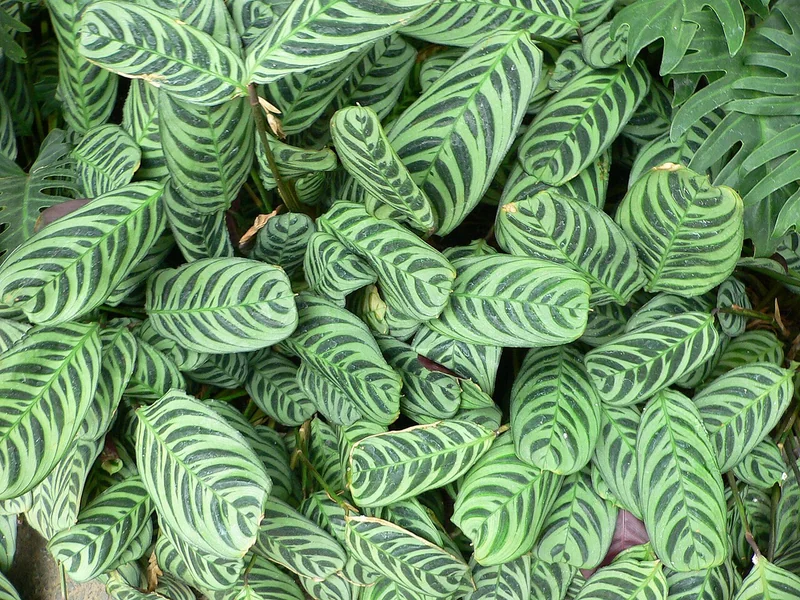 Featured photoctenanthe-burle-marxii.jpg
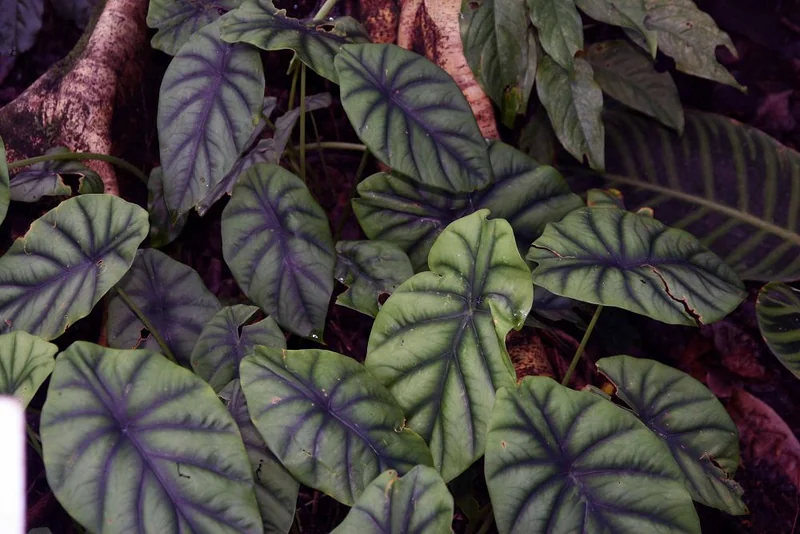
Ctenanthe burle-marxii is a Brazilian prayer plant relative, named after Brazilian landscape architect Roberto Burle Marx. Its leaves are silver-grey marked with a dramatic dark green fishbone pattern, with deep purple undersides. It is closely related to Calathea and Goeppertia and shares their prayer-plant leaf-folding behaviour, but is one of the easier members of the family for indoor culture.
Care facts at a glance
- Light
- Bright indirect
- Water
- Water when the top 1 to 2 cm of mix has dried.
- Humidity
- 50–70 %
- Temperature
- 18–27 °C
- Soil
- Peat-rich, well-draining mix with perlite.
- Origin
- Forests of Brazil.
- Mature size
- 30 to 45 cm tall, spreading.
Overview
Ctenanthe burle-marxii is in the same family (Marantaceae) as Calathea, Goeppertia, and Maranta. The fishbone leaf pattern is species-typical and intensifies in good light.
Care Priorities
- Soft filtered light keeps the silver tone bright.
- Filtered water preferred.
- Keep evenly moist; tolerates short droughts better than calathea.
- Higher humidity above 60 percent prevents crispy edges.
Common Problems
Crispy edges are dry air. Yellow leaves are overwatering. Pale, washed-out fishbone pattern is too little light.
Sources & further reading (2)
- encyclopedia — accessed 2026-04-28
- botanical-garden — accessed 2026-04-28
Frequently asked questions
Is it a calathea?
No — Ctenanthe is a separate genus, although closely related. Care is similar but ctenanthes are slightly more tolerant of imperfect conditions.
Why named after Burle Marx?
Roberto Burle Marx was a famous Brazilian landscape architect who used native plants extensively. The species was named in his honour.
Best display?
A wide shallow pot or grouped with other prayer plants. The spreading habit fills horizontal space well.