Anthurium warocqueanum
Anthurium warocqueanum (Queen Anthurium) Care Guide
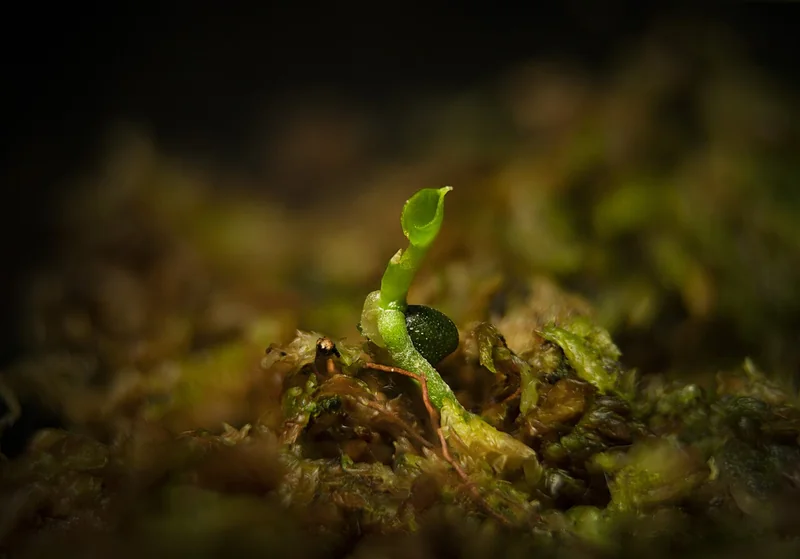 Featured photoanthurium-warocqueanum.jpg
Anthurium warocqueanum, the queen anthurium, hangs long, narrow velvet leaves in pleated rows from elevated growing points. In Colombian cloud forests it sits high on trees as an epiphyte; indoors it does best mounted on cork or grown in a slatted basket so the leaves can drop. Mature leaves stretch to a metre or more, deep green with prominent ivory veins.
Care facts at a glance
- Light
- Bright indirect
- Water
- Water when the surface of the moss or mix has dried but the centre is still moist.
- Humidity
- 70–90 %
- Temperature
- 18–27 °C
- Soil
- Mounted on cork or in a slatted aroid basket with sphagnum and coarse bark.
- Origin
- Cloud forests of Antioquia and Chocó, Colombia.
- Mature size
- Leaves 60 to 120 cm long indoors with mounting.
Overview
Anthurium warocqueanum is one of the most coveted velvet-leaf species, named for its pendant, strap-shaped leaves and silver-white venation. Like A. veitchii it is an epiphytic grower that benefits from being mounted rather than potted.
Care Priorities
- Mount on cork or grow in a basket; potted plants tend to stunt over time.
- Keep humidity reliably above 70 percent — this is non-negotiable for healthy new leaves.
- Bright but filtered light; direct sun bleaches the velvety surface.
- Check undersides weekly for spider mites; the dry side of velvety leaves is their favourite habitat.
Common Problems
Stunted, papery new leaves are the textbook symptom of low humidity. Brown halos on leaves usually mean cold draughts or sudden temperature swings. Yellowing of the lower leaves can be normal age-related turnover, but rapid loss points to root issues.
Sources & further reading (2)
- encyclopedia — accessed 2026-04-28
- botanical-garden — accessed 2026-04-28
Frequently asked questions
Is queen anthurium beginner-friendly?
Not really. It is one of the more demanding species in the genus because of its humidity needs and slow recovery from setbacks.
How long does each new leaf take to mature?
Six to ten weeks from the first push to full hardening, longer in cooler conditions.
Can I keep it in a regular pot?
Yes, but use a deep narrow pot with a chunky mix and accept smaller leaves than a mounted specimen would produce.