Anthurium magnificum
Anthurium magnificum Care Guide
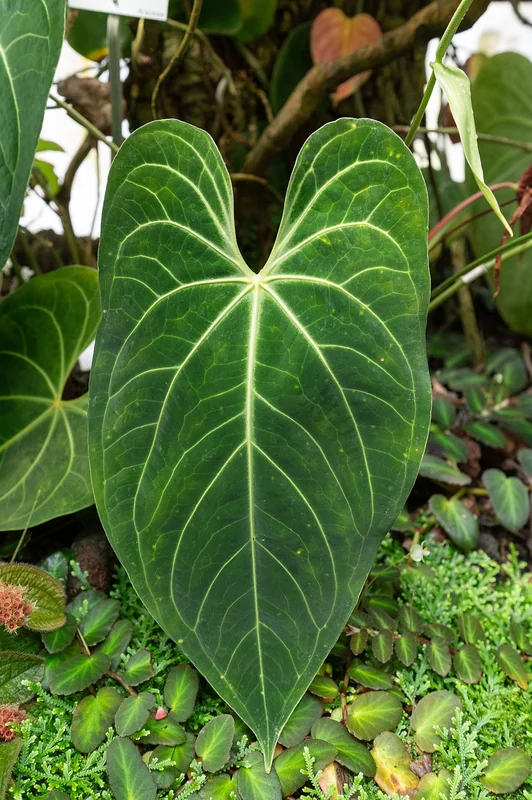 Featured photoanthurium-magnificum.jpg
Anthurium magnificum is a large velvet-leaf species from Colombian rainforests, easily recognised by the four-sided, conspicuously winged petioles where they meet the leaf. Mature leaves can reach 60 cm long, with a deep-green velvety surface and bold ivory veins. It needs the same warm, humid, airy conditions as A. crystallinum but tends to grow a touch larger and a touch slower.
Care facts at a glance
- Light
- Bright indirect
- Water
- Water when the top 2 to 3 cm of mix dries; do not let the entire pot go bone dry.
- Humidity
- 65–85 %
- Temperature
- 18–27 °C
- Soil
- Chunky aroid mix dominated by orchid bark and perlite, with a small fraction of coir.
- Origin
- Lowland rainforests of Colombia.
- Mature size
- 60 to 90 cm tall, leaves up to 60 cm long.
Overview
Anthurium magnificum was described in the late 1800s and is one of the largest velvet-leaf species in cultivation. The winged, almost square-section petioles are the field mark — A. crystallinum, with which it is sometimes confused, has a round petiole.
Care Priorities
- Use a tall, narrow pot — magnificum has a tap-like central stem that prefers depth.
- Keep humidity above 65 percent or the new leaves will emerge stiff and dry-edged.
- Filter tap water; this species is sensitive to chloride.
- Wipe leaves gently with a damp cloth every few weeks.
Common Problems
Brown crispy edges almost always mean dry air or hard water. Sudden leaf drop is usually root rot from soggy mix — check the lower roots and repot into a chunkier blend if you see black, mushy roots. Stunted new growth points to compacted mix or too little feed.
Sources & further reading (2)
- encyclopedia — accessed 2026-04-28
- botanical-garden — accessed 2026-04-28
Frequently asked questions
Magnificum vs crystallinum vs clarinervium — which is hardest?
Most growers find magnificum the most demanding because of its size and humidity requirements; clarinervium is the most forgiving in average rooms.
How fast does it grow?
One to three new leaves a year is typical indoors. Greenhouse plants with steady warmth and humidity can push five or more.
Can I cut off the spathes?
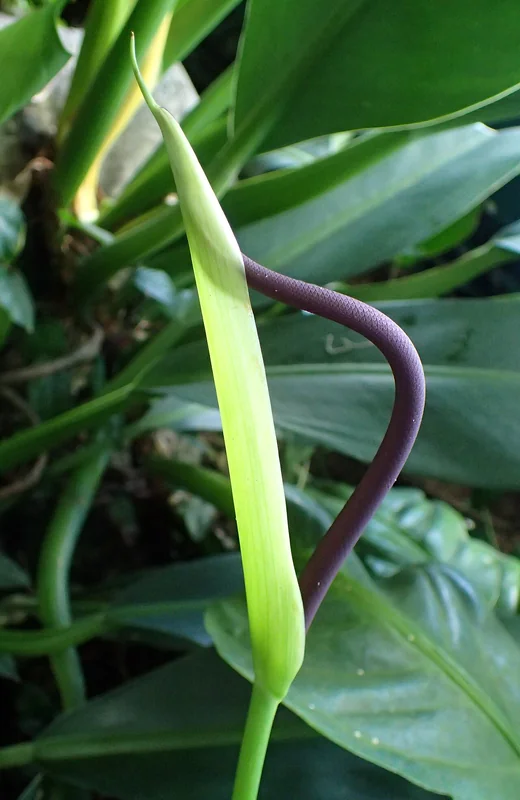
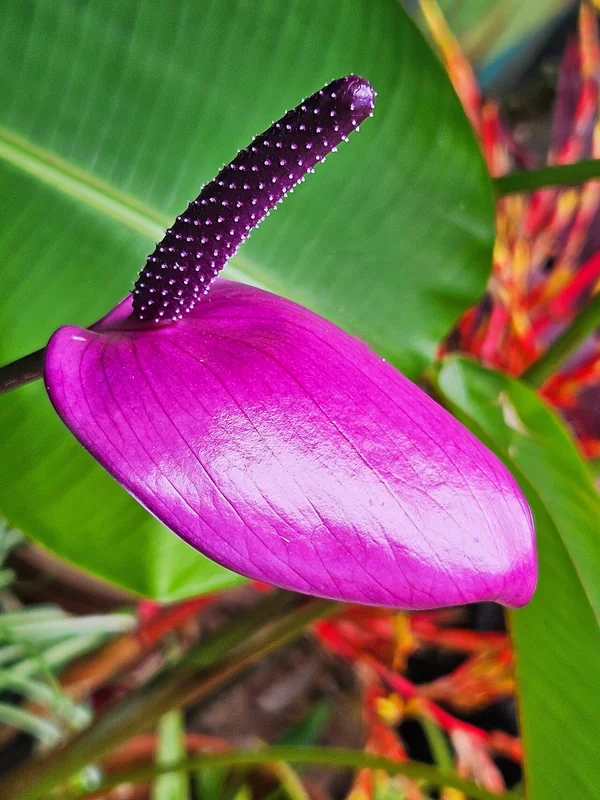
Yes. The flowers are unremarkable and removing them redirects energy into foliage.