Alocasia odora
Alocasia odora (Night-scented Lily) Care Guide
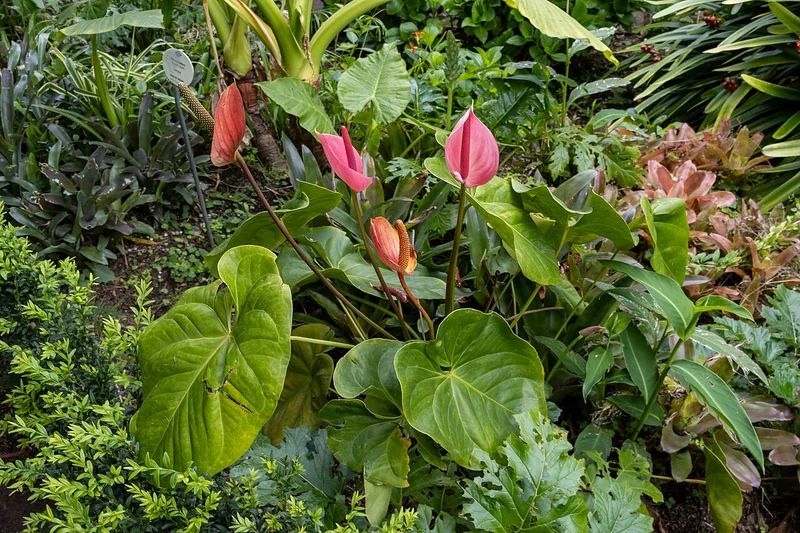 Featured photoalocasia-odora.jpg
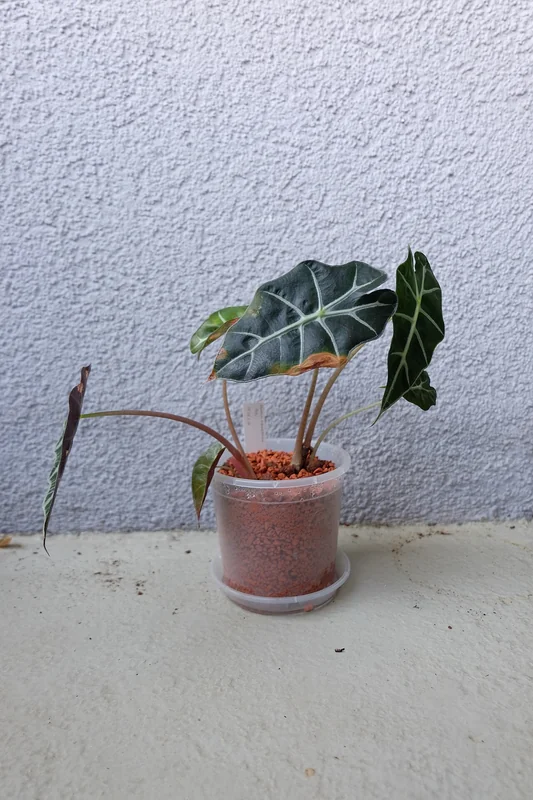
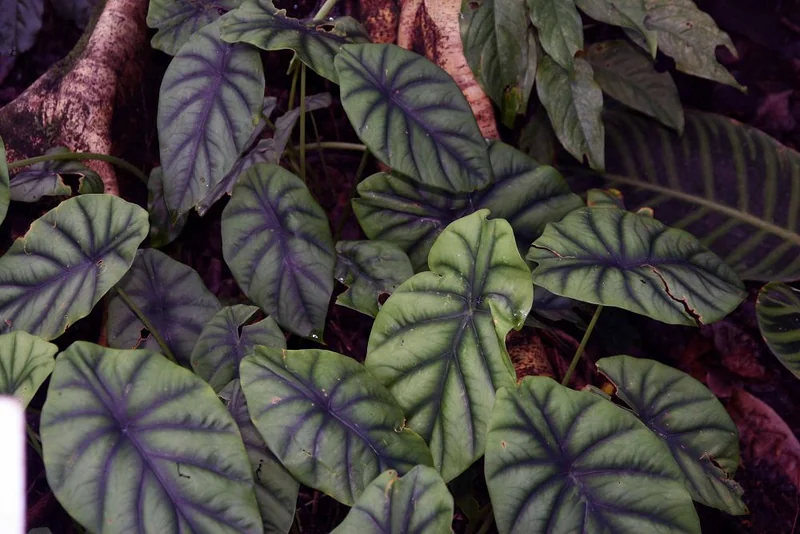
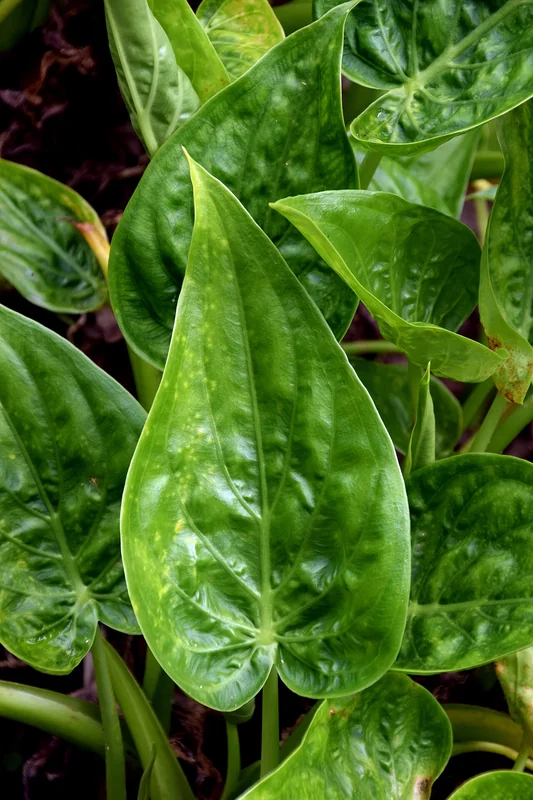
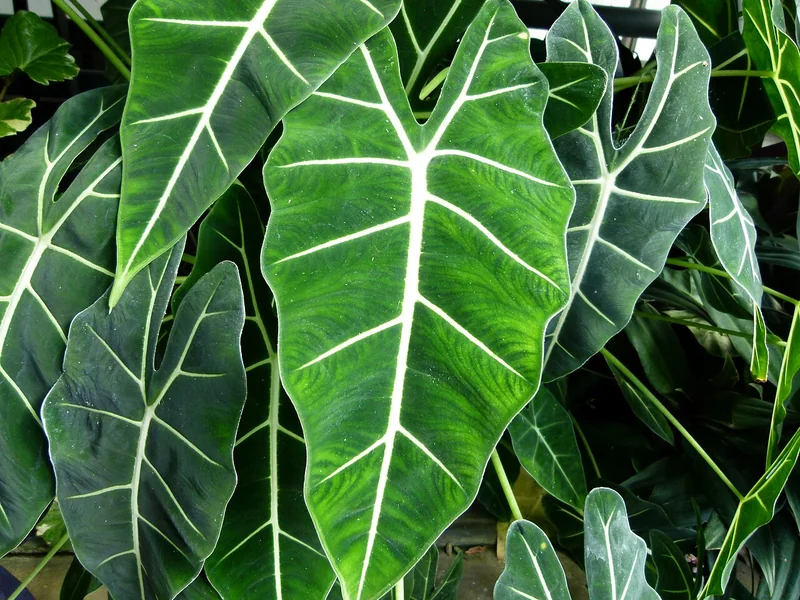
Alocasia odora, sold as Night-scented Lily, is a Southeast Asian aroid kept indoors for its dramatic arrow-shaped or shield-like leaves. From southern China, Taiwan, and northern Indochina, this hardy Alocasia produces large arrow-shaped green leaves and fragrant evening flowers, and is cold-tolerant enough to grow outdoors in subtropical climates. Alocasia want bright filtered light, a chunky mix that drains immediately, and humidity above 60 percent — they are notorious for sulking and dropping leaves when conditions are off.
Care facts at a glance
- Light
- Bright indirect
- Water
- Water when the top 2 to 3 cm of mix has dried.
- Humidity
- 60–80 %
- Temperature
- 18–27 °C
- Soil
- Chunky aroid mix of orchid bark, perlite, and coco coir for excellent aeration.
- Origin
- Tropical and subtropical regions of southern and southeast Asia, with secondary diversity in Australia.
- Mature size
- 30 cm to 1.5 m tall depending on species, similar spread.
Overview
Alocasia odora belongs to Alocasia, a genus of about 80 Asian aroids known horticulturally as elephant ears. From southern China, Taiwan, and northern Indochina, this hardy Alocasia produces large arrow-shaped green leaves and fragrant evening flowers, and is cold-tolerant enough to grow outdoors in subtropical climates. Most species grow from a corm or tuber that survives leafless dormancy, an adaptation to seasonal monsoon climates.
Care Priorities
- Bright filtered light, never direct midday sun.
- Chunky aroid mix with orchid bark and perlite — sat-wet roots rot quickly.
- Humidity above 60 percent; below 50 percent leaves curl and brown at edges.
- Keep above 18 °C; cool drafts trigger dormancy.
- Don't panic about leaf drop in winter — most Alocasia recover from the corm in spring.
Common Problems
Yellow leaves with mushy stems mean overwatering or compacted mix. Brown crispy edges signal low humidity. Leaves dropping rapidly in winter is usually dormancy — keep the corm slightly moist and warm and growth resumes in spring.
Sources & further reading (2)
- encyclopedia — accessed 2026-04-28
- botanical-garden — accessed 2026-04-28
Frequently asked questions
Will Alocasia odora flower indoors?
Mature plants occasionally produce a tubular fragrant white spathe in summer, but indoor flowering is uncommon. The species is grown for its dramatic foliage rather than the modest flowers.
Why is my Alocasia dropping all its leaves?
Leaf drop in autumn or winter is usually seasonal dormancy — the corm survives and re-sprouts in spring. Sudden leaf loss in summer points at root rot, cold drafts, or rapid temperature change.
Why is my Alocasia going dormant in winter?
Alocasia naturally drop leaves and rest below 18 °C. Keep the corm just barely moist and warm; new shoots usually emerge in spring once temperatures climb back above 20 °C.