Vietnamese Phin Filter
A small metal drip filter that brews one cup of slow, strong coffee — the traditional vessel of Vietnam.
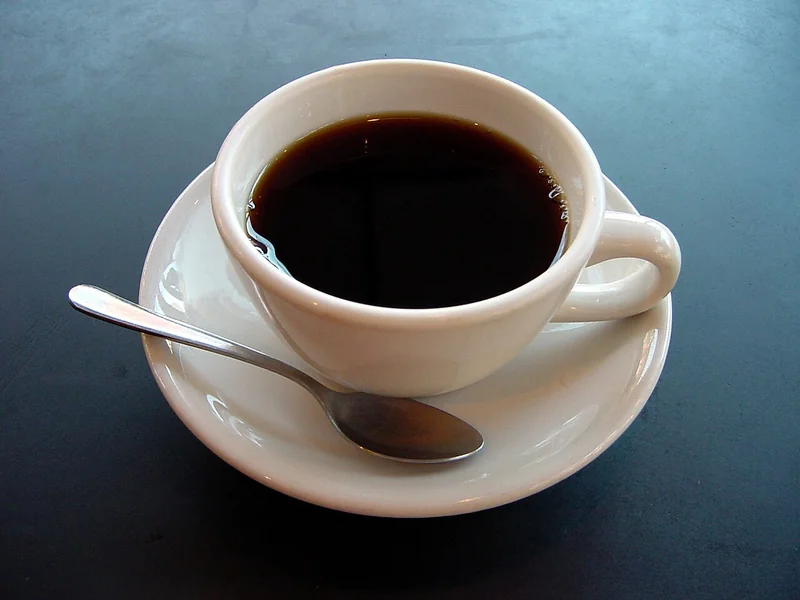
The phin (pronounced 'fin') is a small, individual-serving metal drip filter used across Vietnam to brew strong, concentrated single-cup coffee. It consists of four parts: a perforated base plate, a cylindrical brewing chamber, a gravity-press insert, and a lid that doubles as a saucer. The phin was introduced during the French colonial period (late 19th century) and replaced the sieve-based methods that preceded it. Coffee drips slowly through the perforated base into the cup below over 4–8 minutes. The resulting brew is thick, strong, and typically served over sweetened condensed milk.
Quick facts
- Type
- Brewing Method
- Brew time
- 4–8 minutes
- Ratio
- 1:8 to 1:12 (approximately by volume)
- Temperature
- 92–96°C
Design and Colonial Origins
The phin filter was adapted during French colonialism in Vietnam (1887–1954). French colonists introduced both coffee cultivation (planting Robusta in the 1890s in the Central Highlands) and drip-filter brewing influenced by European cafe culture. The phin — a simplified, low-cost metal version of the drip filter — was developed locally and became the standard household and street-food brewing vessel by the early 20th century. The phin requires no paper filters, electricity, or special equipment, making it well-suited to the widespread Vietnamese street coffee (ca phe via he) culture.
Brewing Technique
To brew: place the phin base plate on the cup, add 20–25 g of finely ground coffee (medium-fine grind), place the press insert to lightly compress grounds (not tamp as in espresso), pour 20–30 ml of hot water for a 30-second bloom, then fill the chamber with remaining water (100–150 ml). Cover with the lid. Coffee drips slowly through the perforated base over 4–8 minutes. If dripping finishes in under 3 minutes, the grind is too coarse or the insert is not compressing enough. More than 8 minutes suggests too fine a grind or too-tight compression.
Ca Phe Sua Da
The standard Vietnamese preparation pairs phin-brewed coffee with sweetened condensed milk. Ca phe sua da (iced coffee with condensed milk) places 2–3 tablespoons of condensed milk in the glass before brewing, then adds phin-brewed coffee directly on top, stirs, and adds ice. Ca phe sua nong (hot coffee with condensed milk) skips the ice. These drinks are associated with street-side coffee stalls (quan ca phe) and the slower pace of morning coffee culture in Vietnamese cities and towns.
Sources & further reading (2)
- encyclopedia — accessed 2026-05-06
- encyclopedia — accessed 2026-05-06
Frequently asked questions
What coffee beans are traditionally used in a Vietnamese phin?
Vietnamese phin traditionally uses dark-roasted Robusta, often roasted with butter and sugar in the traditional style that produces a distinctive sweet-bitter, full-bodied brew. Commercial Vietnamese brands such as Trung Nguyen use Robusta-Arabica-Liberica blends. Specialty cafes in Ho Chi Minh City and Hanoi now also offer phin-brewed single-origin Arabica.
Does a phin need paper filters?
No. The phin base plate is perforated metal — no paper filter is needed. The metal holes retain coarse grounds while allowing fine grounds and coffee oils to pass through. This produces a slightly gritty, full-bodied cup closer in texture to a Moka pot than a V60.
How do I clean a Vietnamese phin filter?
Disassemble the phin after each use: remove the press insert, tap out grounds, rinse all parts under running water. The phin is aluminium or stainless steel and requires no special care. Avoid dishwashers for aluminium phins; hand-wash and dry. Stainless steel phins can be washed normally.