Vietnamese Coffee Culture
Robusta-forward, condensed milk-sweetened, phin-brewed — a distinct tradition born under French colonial rule.
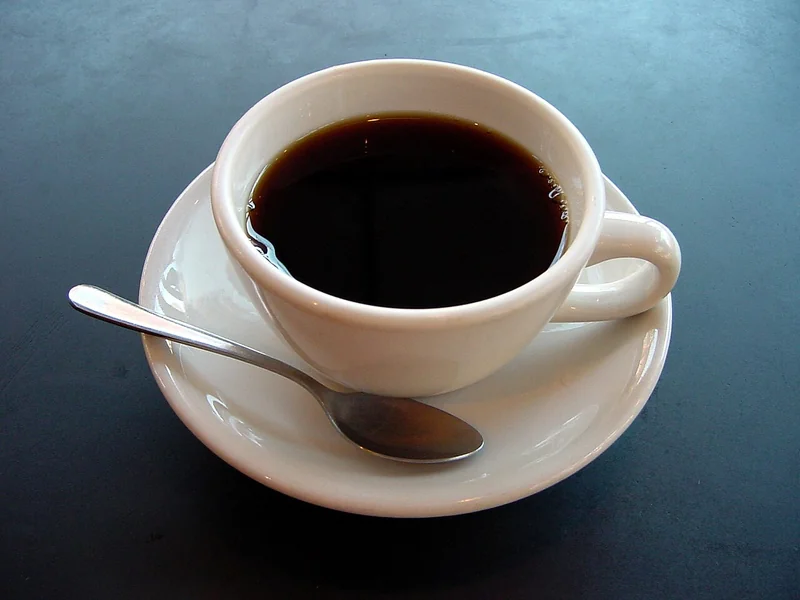
Vietnamese coffee culture developed from French colonial introduction of coffee cultivation in the late 19th century and adapted local ingredients and pace into a distinct tradition. Vietnam is the world's second-largest coffee producer (after Brazil), cultivating primarily Robusta in the Central Highlands. The signature drink is cà phê sữa đá (iced milk coffee with condensed milk brewed in a phin filter) and its hot variant cà phê sữa nóng.
Quick facts
- Type
- Regional Style
- Style
- Vietnamese
French Influence and Local Adaptation
France introduced coffee to Vietnam in 1857, establishing plantations in the Central Highlands (Buon Ma Thuot, Dalat). The initial coffee culture was French in character — cafe au lait, filter coffee. Local adaptation replaced fresh milk (scarce and expensive) with sweetened condensed milk imported in cans. Robusta replaced the more difficult-to-cultivate Arabica in the Central Highlands climate. Roasters added butter, chicory, and rum to dark-roast Robusta to modify the harsh bitterness and create a distinctive flavour. The phin filter — a slow-drip metal device producing individual concentrated servings — became standard. By the 20th century, Vietnamese coffee had diverged entirely from its French origin.
Modern Vietnamese Cafe Culture
Contemporary Vietnamese cafe culture spans a spectrum from traditional sidewalk plastic-stool setups to elaborate themed cafes (cat cafes, vintage cafes, container cafes) in Ho Chi Minh City and Hanoi. Cà phê trứng (egg coffee, made with whisked egg yolk, sugar, and condensed milk over espresso) originated at Cafe Giang in Hanoi in 1946 and remains a tourist and local landmark drink. Weasel coffee (cà phê chồn) — coffee fermented through civets — is a Vietnamese specialty product with premium pricing. The major commercial brand is Trung Nguyên, which produces multiple roast blends and the G7 instant coffee line. Specialty third-wave coffee (single-origin Arabica, light roast) has grown in Vietnamese urban centres since approximately 2015.
Vietnam as Coffee Producer
Vietnam produced approximately 1.8–2 million metric tonnes of coffee per year in the early 2020s, second globally after Brazil. The Central Highlands provinces — Dak Lak, Lam Dong, Gia Lai, Kon Tum — account for over 90% of Vietnamese production. Robusta (Coffea canephora) constitutes approximately 95% of Vietnamese output; Arabica is grown at higher altitude in Lam Dong province. Vietnamese Robusta is primarily sold as commodity green coffee to global buyers for blending (it forms a significant portion of many European espresso blends for body and crema) rather than as single-origin specialty lots. Specialty Vietnamese Arabica from Lam Dong (particularly washed Da Lat Arabica) has grown as an export product.
Sources & further reading (2)
- encyclopedia — accessed 2026-05-06
- encyclopedia — accessed 2026-05-06
Frequently asked questions
What is egg coffee (cà phê trứng)?
Cà phê trứng is a Vietnamese specialty drink invented at Cafe Giang in Hanoi in 1946 during a milk shortage. It is made by whisking egg yolk, condensed milk, and sugar into a creamy foam, then spooning it over strong black coffee (espresso or phin brew). The egg foam is sweet, rich, and custardy; it sits on top of the bitter coffee. The drink is consumed by stirring the foam into the coffee or drinking through the foam. It is strongly associated with Hanoi and remains a signature offering at Cafe Giang and similar establishments.
Why does Vietnamese coffee use condensed milk?
Fresh dairy milk was scarce and expensive in Vietnam during the French colonial period when coffee culture developed. Sweetened condensed milk in cans (sữa đặc) was an imported commodity that stored without refrigeration. Its concentrated sweetness and fat content balanced the intense bitterness of dark-roast Robusta. The combination proved effective and became the cultural standard — the condensed milk is not merely a substitute for fresh milk but is now an inseparable part of the flavour profile of traditional Vietnamese coffee.
Is Vietnamese coffee stronger than espresso?
Phin-brewed Vietnamese coffee typically has high concentration (approximately 5–7% dissolved solids vs 8–10% for espresso) but a larger volume (60–80 ml vs 25–30 ml for espresso). Caffeine content per serving is roughly comparable. The flavour is strong, bitter, and earthy from Robusta, with a different character profile than Arabica espresso. The sweetened condensed milk moderates the perceived bitterness significantly in the finished drink.