Sumatra Mandheling
A wet-hulled Arabica from the highlands of northern Sumatra with full body, earthy depth, and low acidity.
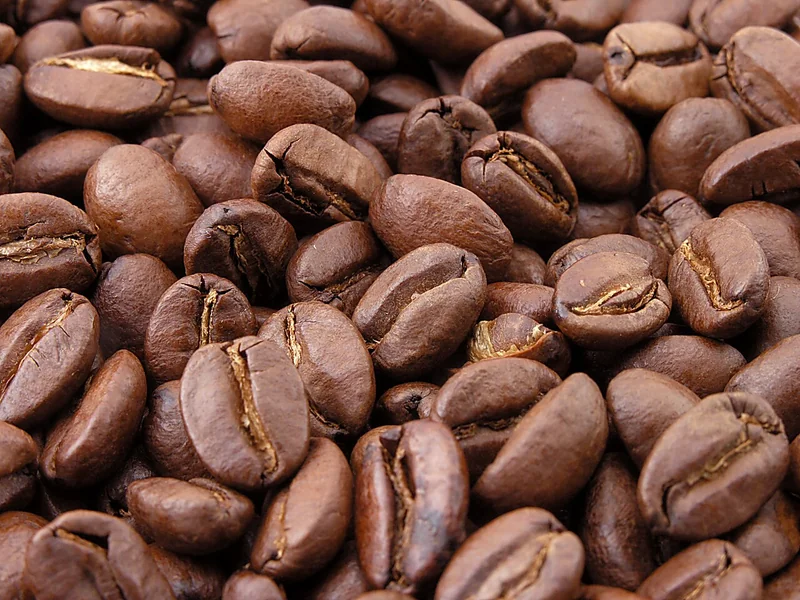
Sumatra Mandheling is a wet-hulled Arabica grown in the highlands of North Sumatra, Indonesia, particularly in the Mandailing Natal regency and the Lintong area around Lake Toba, at 1,000–1,500 metres. The wet-hull (Giling Basah) process — unique to Indonesia — removes the parchment from the bean at high moisture content before drying, producing a distinctive blue-green colour and an earthy, full-bodied cup with tobacco, dark chocolate, and cedar notes and very low acidity. It is one of the most distinctive of all regional coffee profiles.
Quick facts
- Type
- Single-Origin Bean
- Origin
- North Sumatra, Indonesia
- Roast level
- Medium-dark
- Acidity
- Very low
- Body
- Full, syrupy
- Finish
- Long, earthy, cedar
- Tasting notes
- dark chocolate, earth, cedar, tobacco, dried herb
Wet-Hull (Giling Basah) Processing
The wet-hull process (Giling Basah in Indonesian) is a processing method largely unique to Sumatra, Sulawesi, and Flores in Indonesia. After de-pulping, the bean is dried to only 30–40 percent moisture (compared to 11–12 percent in standard washed processing), then the parchment is removed while the bean is still wet. The bean continues drying to final moisture. This process compresses the bean's cell structure and produces a blue-green bean colour and the characteristic earthy, full-bodied, low-acid cup profile.
Growing Areas
The Mandheling name refers loosely to the Mandailing people of North Sumatra and is used commercially as a geographic/processing brand rather than a single farm designation. The main growing areas include: Mandailing Natal regency (around Panyabungan), Lintong area on the western shore of Lake Toba, and the broader Tapanuli highlands. Farms are small-scale, typically 0.5–2 hectares, and deliver cherry to centralised collectors who manage de-pulping and wet-hulling.
Roasting Sumatra
Sumatra Mandheling is typically roasted medium-dark to dark, which complements the earthy, full-bodied profile and reduces any rough ferment notes. Light roasts can expose greenness and inconsistency from the wet-hull process. Many specialty roasters are now experimenting with medium roasts on high-quality separated lots to reveal more nuanced flavour. Sumatra is a popular base for espresso blends because its full body and low acidity balance higher-acidity East African or Latin American components.
Sources & further reading (2)
- encyclopedia — accessed 2026-05-06
- industry-standard — accessed 2026-05-06
Frequently asked questions
Why is Sumatra Mandheling so earthy?
The earthy, herbal character of Sumatra Mandheling is largely a product of the wet-hull (Giling Basah) process. Removing the parchment at high moisture creates rapid cell-wall changes and allows microbial compounds to develop during the final drying phase. These compounds, including certain pyrazines and terpenoids, produce the earthy and cedar notes.
What is the blue-green colour of Sumatran green beans?
The wet-hull process compresses the bean's cell structure and alters its surface texture. Combined with higher residual moisture at hulling, this produces a characteristic blue-green tint in the green bean that distinguishes Indonesian wet-hulled coffees from washed or natural coffees of similar roast level.
Is Sumatra Mandheling suitable for espresso?
Yes. Sumatra Mandheling is a common espresso blend component because its full body, low acidity, and earthy-chocolate notes provide structure and sweetness alongside higher-acidity Arabicas. It can also be used as a single-origin espresso at medium-dark roast.