Siphon Coffee Brewing
A two-chamber vacuum brewing method using heat and pressure differentials to pull brewed coffee through a filter.
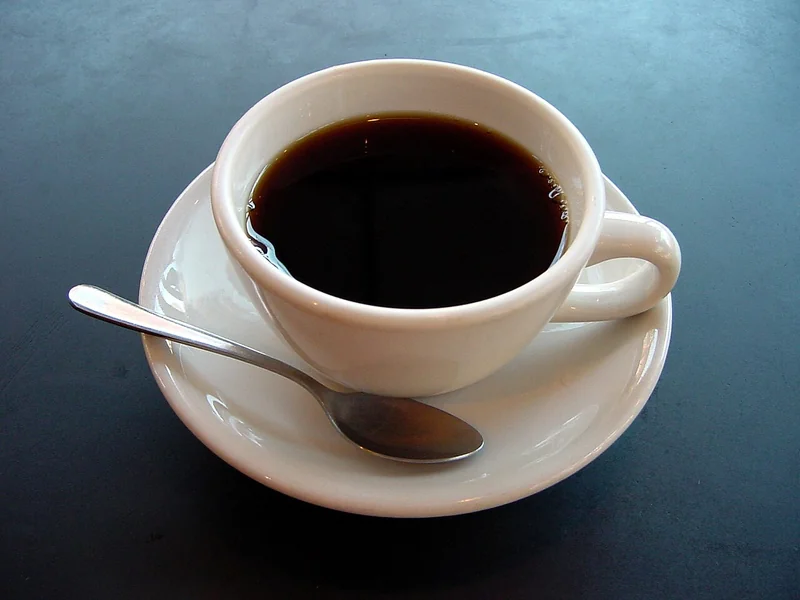
Siphon coffee brewing (also called vacuum pot or vac pot) uses two stacked glass chambers connected by a tube. Heat from a flame or halogen beam heater causes vapour pressure to push water from the lower chamber up into the upper chamber where it mixes with ground coffee. When heat is removed, the vapour pressure drops and atmospheric pressure draws the brewed coffee back down through a cloth or glass filter into the lower chamber. The result is a clean, transparent, full-flavoured cup with no sediment.
Quick facts
- Type
- Brewing Method
- Brew time
- 1–1.5 minutes contact after water rises
- Ratio
- 1:13 to 1:15 (coffee to water by weight)
- Pressure
- Vapour pressure differential (no external pressure)
- Temperature
- 90–95°C in upper chamber
History and Origins
Siphon brewing was patented by Loef of Berlin in 1830, and similar devices appeared in France and Scotland in the 1840s. The design went through numerous refinements through the 19th and early 20th centuries. Japanese company Hario (now known for the V60) manufactured siphon pots under the Tca series from the 1950s, and the device became associated with Japanese kissaten (coffee house) culture. The Hario Tca-5 is the most widely recognised modern siphon design. Interest in siphon brewing revived globally with the third-wave specialty coffee movement in the 2000s.
Brewing Mechanics
The siphon uses vapour pressure from heat and a vacuum created when heating stops. As the lower chamber water heats to near-boiling, steam pressure pushes water through the glass or silicone tube into the upper chamber where coffee grounds are placed. The brewer stirs and allows the coffee to steep for 1–1.5 minutes. When the heat is removed, the lower chamber cools, vapour condenses, and reduced pressure draws the brewed liquid back through a cloth or glass bead filter into the lower chamber, leaving grounds in the upper vessel.
Filter Types and Cup Profile
Siphon filters are typically cloth, which allows more oils through than paper but less than a French press metal mesh, producing a cup with moderate body and excellent clarity. Glass bead filters (used in some Japanese models) produce a cleaner cup closer to paper filters. The constant near-boiling temperature in the upper chamber during extraction provides very even and consistent brewing — one reason siphon coffee is valued in specialty settings. The theatrical visual process of water rising and falling has made siphon bars popular in Japan and East Asia.
Sources & further reading (2)
- encyclopedia — accessed 2026-05-06
- industry-standard — accessed 2026-05-06
Frequently asked questions
Is siphon coffee better than pour-over?
Siphon and pour-over produce different but comparably high-quality cups. Siphon brewing maintains very consistent temperature during extraction, which can produce particularly even results. Pour-over allows more variables (pour speed, distribution) that offer flexibility. Many specialty baristas consider siphon one of the most technically reliable manual methods for temperature-sensitive light roasts.
What heat source is best for siphon coffee?
The three main heat sources are butane burner, alcohol lamp, and halogen beam heater. Halogen beam heaters (used in some high-end setups) provide the most precise and consistent heat. Butane burners are easy to control. Alcohol lamps are traditional but produce less heat and take longer. The flame must be adjusted so the upper chamber maintains 90–95°C without boiling violently.
Why is siphon coffee so popular in Japan?
Siphon coffee became embedded in Japanese kissaten (traditional coffee house) culture in the postwar period. The theatrical visual process, precision, and the clean, flavour-forward cup profile aligned with the Japanese aesthetic of skilled craft and visual refinement. Japanese specialty coffee culture continued to refine siphon technique; Hario's Tca series remains the industry standard.