Scandinavian Coffee Culture
The world's highest per-capita coffee consumption — light roasts, fika ritual, and birthplace of third-wave coffee.
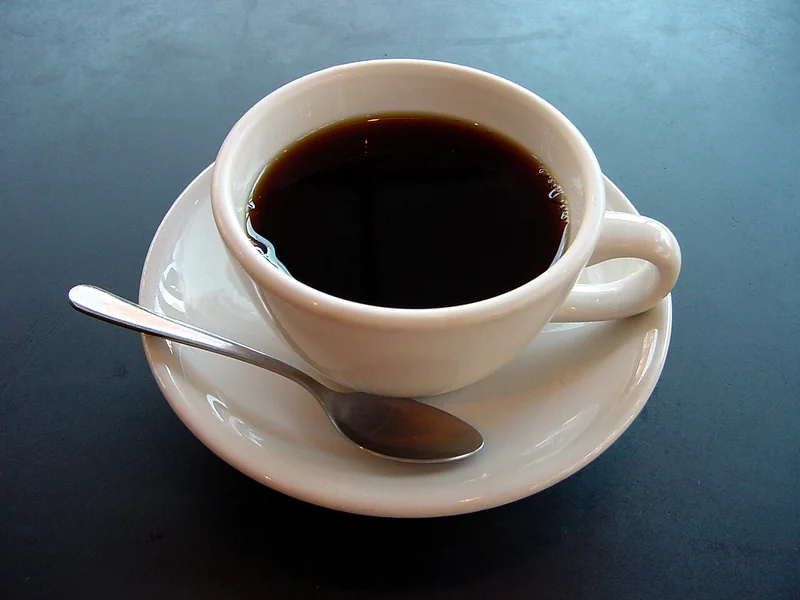
Scandinavian coffee culture (covering Finland, Norway, Sweden, and Denmark) represents the world's highest per-capita coffee consumption: Finland leads globally at approximately 12 kg per person per year. The Scandinavian approach favours light roasting, which preserves origin flavour characteristics over roast-derived notes — a preference that became foundational to third-wave specialty coffee globally. Norway's Tim Wendelboe and Sweden's Drop Coffee exemplify the Scandinavian influence on international specialty coffee standards.
Quick facts
- Type
- Regional Style
- Style
- Scandinavian
Fika — The Structured Coffee Break
Fika (Swedish, from kaffi reversed slang, fi-ka) is a coffee break with social and cultural significance beyond simple refreshment. It is typically taken twice daily in Swedish workplaces — mid-morning (förmiddagsfika) and mid-afternoon (eftermiddagsfika) — and includes coffee, tea, or juice alongside a pastry (cinnamon bun, cardamom bun, cookie). Fika in a workplace context has a social function: it is a pause from work for conversation and connection, not merely caloric intake. The fika norm is embedded enough that Swedish labour culture treats it as a quasi-institutionalised break. Outside Sweden, the Danish equivalent is hygge (general cosiness and social warmth) and the Norwegian equivalent is kaffepause.
Light Roast and Third-Wave Origins
The Scandinavian preference for light-roasted coffee — which preserves the fruit, floral, and terroir characteristics of origin — predates the global specialty movement by decades. The Norwegian roaster Tim Wendelboe (World Barista Champion 2004) and Trondheim-based Kaffa roastery became internationally influential in establishing Nordic light-roast standards. The World Barista Championship has been dominated by Scandinavian competitors in its early years. The SCA (Specialty Coffee Association) grading and evaluation protocols, which emphasise origin transparency and light-roast flavour integrity, align closely with Scandinavian coffee culture values. The Nordic approach to coffee — treating it as an agricultural product with traceable origin — is now the global specialty standard.
Finnish Coffee Culture
Finland has the world's highest per-capita coffee consumption at approximately 12 kg per person per year (versus a global average of 1.3 kg). Finnish coffee is traditionally brewed in a drip machine or percolator (kahvi) with a medium-light roast. Kahvi is drunk throughout the day from breakfast through evening; Finnish coffee culture lacks the Italian restriction on when milk coffee is acceptable. Finnish kokkaffe (kaffe kokt) — boiling ground coffee in water and settling the grounds, similar to the Scandinavian kokekaffe — was historically common before drip machines became standard. Coffee is served at virtually every social gathering: funerals, church events, work meetings, and home visits all include coffee. Finland's relationship with coffee is functional and ubiquitous rather than ceremonial.
Sources & further reading (2)
- encyclopedia — accessed 2026-05-06
- encyclopedia — accessed 2026-05-06
Frequently asked questions
Why do Scandinavian countries consume so much coffee?
Several factors contribute: cold climate (hot beverages are practical); historical Protestant work ethic (coffee as a stimulant for sustained work); early 18th-century trade access to coffee through Dutch and East India Company networks; high income levels supporting quality coffee consumption; and cultural reinforcement through institutionalised breaks (fika). Coffee replaced beer as the daily beverage in Scandinavia in the 18th century; Sweden even had a royal coffee ban (1746–1823) that failed due to popular resistance.
What makes Nordic roasting different from Italian roasting?
Nordic roasting targets light to medium-light profiles that stop development before significant sugars caramelise into dark-roast compounds. The result is coffee that tastes primarily of origin character — fruit acids, floral aromatics, and terroir specific to the growing region. Italian roasting targets medium-dark to dark profiles where sugars caramelise extensively, producing bitter, bittersweet, and nutty roast-derived flavours regardless of origin. Italian espresso blends taste of the roast; Nordic single-origin coffees taste of the origin.
What is kokekaffe (boiled coffee)?
Kokekaffe ('boiled coffee') is a traditional Scandinavian brewing method: coarsely ground coffee is added to boiling water in a pot, simmered briefly, then removed from heat and allowed to settle before pouring. It is similar in principle to cowboy coffee. Kokekaffe is associated with outdoor Norwegian culture (hiking, fishing) and is brewed in a traditional coffee pot (kjele). The grounds settle to the bottom and the clear coffee above is poured. The cold water addition trick (pouring a small cup of cold water to aid settling) is a common technique.