Pour-Over Coffee (V60)
A manual drip method using a cone dripper and paper filter to produce a clean, transparent, high-clarity cup.
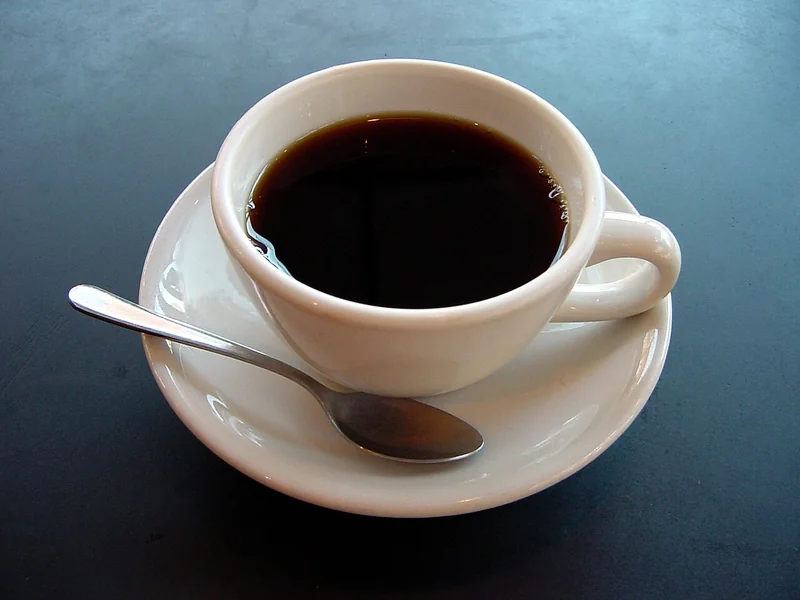
Pour-over with a V60 dripper (Hario V60) is a manual drip brewing method in which hot water is poured gradually over ground coffee in a cone-shaped filter. The V60 — named for its 60-degree cone angle and V shape — uses a thin paper filter and large spiral ridges on the cone wall that allow airflow around the filter, enabling rapid drainage. The result is a clean, transparent cup that highlights clarity and brightness over body. Total brew time is 2.5–3.5 minutes for a typical 250 ml cup. The V60 is popular in specialty coffee for showcasing single-origin flavour profiles.
Quick facts
- Type
- Brewing Method
- Brew time
- 2.5–3.5 minutes
- Ratio
- 1:15 to 1:17 (coffee to water by weight)
- Temperature
- 90–96°C
V60 Design and Function
The Hario V60 was designed by Japanese company Hario and first released in 2005. The 60-degree cone angle and spiral ridges create airflow channels between the filter and the cone wall, allowing water to drain at a rate controlled primarily by the grind size and pour speed. The large single hole at the base allows fast drainage compared to flat-bottom drippers. V60s are available in ceramic, glass, plastic, and metal, each with different heat-retention properties. Ceramic retains heat best; plastic is least expensive and surprisingly consistent.
Brewing Technique
A typical V60 recipe: rinse the filter with hot water (removes paper taste, preheats vessel), discard rinse water, add ground coffee (medium-fine grind), start timer, add 2x coffee weight in water for a 30-45 second bloom (allows CO2 to escape from freshly roasted coffee), then pour in slow, even circles to reach target volume. Multiple pour methods exist: continuous pour, three-pour, Rao/Perger techniques. The key variables are grind size, water temperature, pour rate, and total brew time.
Pour-Over vs Drip Machine
Pour-over and automatic drip machines both pass hot water through ground coffee in a paper filter. The difference is control: pour-over allows precise adjustment of pour rate, distribution, and timing to compensate for different coffees. Automatic drip machines with SCAA-certified temperature and bloom capability (e.g. Breville Precision, Technivorm Moccamaster) produce similar results to manual pour-over. Pour-over produces a cleaner cup than a French press because the paper filter removes most oils and fine particles.
Sources & further reading (2)
- encyclopedia — accessed 2026-05-06
- industry-standard — accessed 2026-05-06
Frequently asked questions
What grind size is best for V60 pour-over?
Medium-fine grind — slightly coarser than espresso, finer than drip. On most grinder scales this is approximately a mid-point setting. The optimal grind size varies by recipe and bean; shorter brew times need finer grinds, longer times need coarser. Adjust grind based on whether the shot is under-extracted (sour, fast) or over-extracted (bitter, slow).
Does the V60 material (ceramic vs plastic) affect the taste?
V60 material primarily affects heat retention rather than taste directly. Ceramic V60s retain heat better, keeping the brew bed warmer during extraction, which can improve extraction of harder-to-dissolve compounds. Plastic V60s lose heat faster but are consistent and lightweight. Pre-rinsing the dripper with hot water reduces the temperature difference regardless of material.
What is the bloom step in pour-over?
The bloom adds 2x coffee dose of water (e.g., 30 ml water for 15 g coffee) at the start of brewing, covering all the grounds and waiting 30–45 seconds. Freshly roasted coffee contains dissolved CO2 that creates bubbles and resistance to water flow. The bloom releases this CO2, allowing subsequent pours to extract evenly.