Panama Geisha
A rare Ethiopian-origin variety from Panama's Boquete highlands — record auction prices, jasmine and bergamot notes.
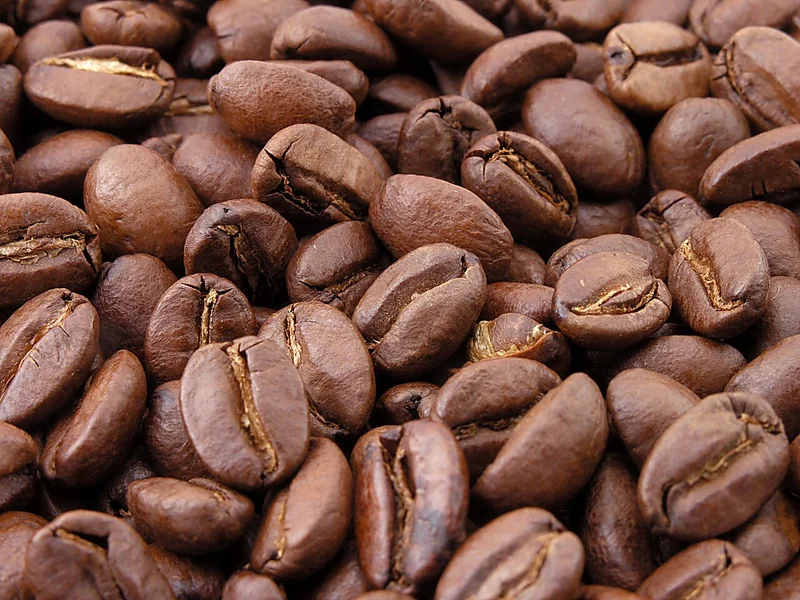
Panama Geisha (Gesha) is a rare Arabica variety originally collected from the Gesha forest of southwest Ethiopia and brought to Panama via CATIE (the Centro Agronomico Tropical de Investigacion y Ensenanza) in the 1960s. It remained obscure until Hacienda La Esmeralda's 2004 Best of Panama auction entry caused a recalibration of what specialty coffee could achieve. Grown at 1,600–1,800 metres in the Boquete district of Chiriqui province, Panama Geisha displays exceptional floral aromatics — jasmine, elderflower — alongside bergamot, tropical fruit, and very bright acidity.
Quick facts
- Type
- Single-Origin Bean
- Origin
- Boquete, Chiriqui Province, Panama
- Roast level
- Light
- Acidity
- Very bright, floral
- Body
- Light to medium
- Finish
- Long, bergamot and tropical fruit
- Tasting notes
- jasmine, elderflower, bergamot, tropical fruit, peach tea
Variety History
The Gesha (sometimes spelled Geisha) variety was collected in the 1930s by British explorer Richard Whalley near the town of Gesha in Ethiopia's Kaffa region. Seeds were brought to the CATIE research station in Costa Rica, then distributed to Central American farms as a disease-resistant variety. For decades it was considered too low-yielding for commercial cultivation. Hacienda La Esmeralda in Panama received Gesha seeds and planted them at Jaramillo in the 1960s; the 2004 Best of Panama auction revealed its cup quality, selling for $21/lb — ten times the typical specialty price at the time.
Growing Conditions in Boquete
Boquete sits in a highland valley of Chiriqui province near the border with Costa Rica, at the base of Volcan Baru (3,478 m), Panama's highest peak. The microclimate features frequent cloud and mist ('bajareque'), moderate rainfall, cool temperatures (15–21°C), and well-drained volcanic soils. These conditions at 1,600–1,800 metres slow Gesha cherry maturation to 9–10 months, producing dense beans with high aromatic compound concentrations.
Auction Prices and Specialty Status
Panama Geisha from La Esmeralda and other top Boquete farms routinely sets records at Best of Panama and other specialty green coffee auctions. In 2019, a washed Gesha lot from Hacienda La Esmeralda sold for $1,029 per pound, setting a record at the time. Natural-process Gesha lots regularly auction for $200–600/lb. The variety is now cultivated in Ethiopia, Colombia, and Costa Rica, but Panama Boquete-grown Gesha remains the benchmark for the variety's potential.
Sources & further reading (2)
- encyclopedia — accessed 2026-05-06
- variety-research — accessed 2026-05-06
Frequently asked questions
Is Geisha spelled Gesha or Geisha?
The historically accurate spelling is Gesha — named after the Gesha region of Ethiopia. Geisha is an alternative transliteration that became widely used commercially. Both spellings refer to the same Coffea arabica variety.
Why is Panama Geisha so expensive?
Gesha plants produce lower yields than varieties like Caturra or Catuai. Combined with high demand for the variety's exceptional floral and fruit cup profile, small production volumes from Boquete's limited growing area, and auction price dynamics, the cost per pound of green Gesha reflects scarcity and established prestige.
What brewing method is best for Panama Geisha?
Light roast with a clean pour-over method — Hario V60 or Chemex — is widely considered optimal for showcasing Gesha's distinctive floral and tropical-fruit aromatics. Water at 90–92°C and a slower pour rate allows full extraction of the delicate volatile compounds without introducing bitterness.