Moka Pot
A stovetop brewer that forces steam through coffee grounds to produce a strong, concentrated brew.
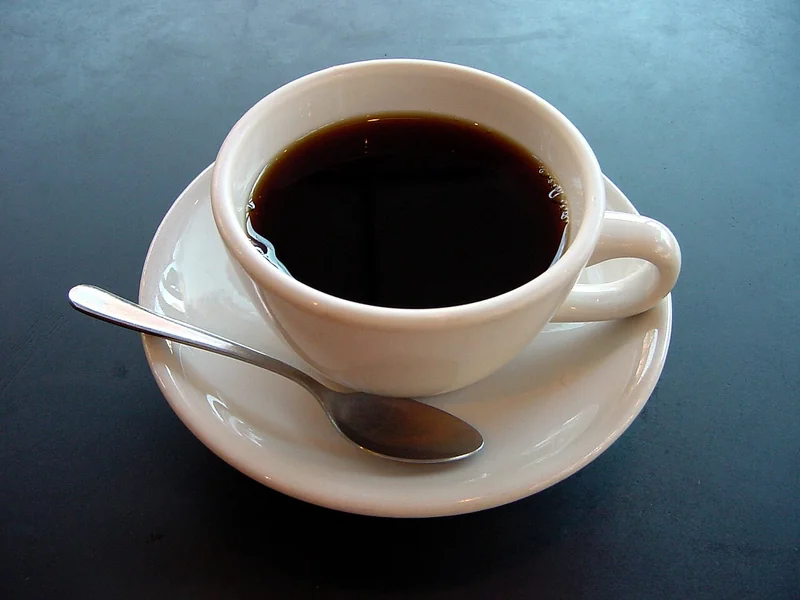
The Moka pot (also called stovetop espresso maker) is a three-chamber stovetop coffee brewer invented by Alfonso Bialetti in 1933. Water in the lower chamber is heated on a stovetop; steam pressure (approximately 1–2 bar) forces boiling water upward through the middle basket containing finely ground coffee, then up through a metal tube into the upper collection chamber. The result is a strong, concentrated coffee with some bitterness and a flavour profile between espresso and drip coffee. The Bialetti Moka Express remains one of the best-selling coffee makers in the world.
Quick facts
- Type
- Brewing Method
- Brew time
- 4–6 minutes on stovetop
- Ratio
- 1:7 to 1:10 (approximately, depending on pot size)
- Pressure
- 1–2 bar (steam)
- Temperature
- Water heated to 90–95°C; output temperature varies
Invention and Design
Alfonso Bialetti founded Bialetti Industrie in 1919 in Crusinallo, Italy. The Moka Express design was patented in 1933. The octagonal design — inspired, according to company lore, by the washing machine used by Bialetti's wife (a laundress device that heated water at the bottom and forced it upward through a central tube) — is made from cast aluminium. The distinctive figure of 'L'omino con i baffi' (the little man with a moustache) was added by Bialetti's son Renato as the brand mascot in 1953. By the 1950s, the Moka pot was present in an estimated 90 percent of Italian households.
Physics of Moka Brewing
As water in the lower chamber heats, steam pressure increases to approximately 1–2 bar. At sufficient pressure, water is pushed through the valve and up through the coffee basket. The extraction pressure is far lower than espresso (9 bar), meaning Moka pot coffee does not produce true espresso crema and extraction differs from true espresso. However, the concentrated output and strong flavour make it a practical espresso substitute for home users without an espresso machine. If left on heat after brewing, the water temperature can rise further, causing over-extraction and bitterness.
Grind and Technique
The grind for Moka pot should be medium-fine — finer than drip but coarser than espresso. Too fine a grind blocks the filter and causes excessive pressure. The basket should be filled levelly without tamping — unlike espresso, the grounds should not be compacted. Remove the Moka pot from heat as soon as coffee begins to emerge, or reduce heat to minimum to avoid over-extraction. Some specialty coffee brewers experiment with coarser grinds and longer times for cleaner cups, though traditional technique is widely accepted.
Sources & further reading (2)
- encyclopedia — accessed 2026-05-06
- manufacturer-history — accessed 2026-05-06
Frequently asked questions
Is Moka pot coffee the same as espresso?
No. Moka pot operates at approximately 1–2 bar of steam pressure, compared to espresso's 9 bar. Moka pot coffee lacks the emulsified oil layer that forms crema in true espresso. The flavour is concentrated and intense but different in character — less bright acidity, heavier, and often more bitter if over-extracted. It is used as an espresso substitute in households without espresso machines.
Should I use pre-ground coffee or freshly ground for a Moka pot?
Freshly ground coffee produces a significantly better cup in a Moka pot because ground coffee degrades quickly (within minutes of grinding, volatile aromatics dissipate). Pre-ground coffee sold in sealed vacuum packs is acceptable as a convenience but will be noticeably less aromatic than freshly ground at the same grind size.
How do I prevent Moka pot coffee from tasting burnt?
Burnt or bitter Moka pot coffee usually results from leaving the pot on high heat after brewing is complete. Remove the pot from heat immediately when coffee stops flowing with a hiss. Alternatively, reduce heat to minimum once coffee starts emerging. Using the correct grind size (medium-fine, not espresso-fine) also prevents excessive bitterness.