Caffe Mocha
Espresso, chocolate syrup, and steamed milk combined into a sweet, chocolate-coffee drink.
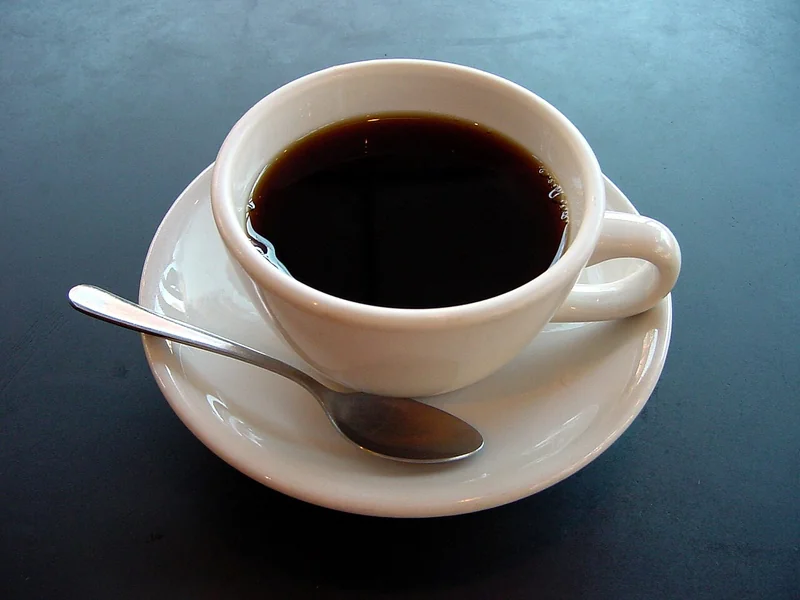
A caffe mocha (also called a mochaccino or mocha latte) is an espresso-based drink combining one or two shots of espresso with chocolate syrup or cocoa powder and steamed milk, typically in a 240–360 ml cup. The chocolate adds sweetness and richness that balances the espresso's bitterness. Whipped cream is often added on top in cafe presentations. The word mocha derives from the port of Al-Mokha (Mocha) in Yemen, through which coffee was historically exported — the port lent its name to a chocolate-tinged coffee variety associated with Yemeni and Ethiopian origin coffee.
Quick facts
- Type
- Coffee Drink
- Coffee base
- Double espresso (50–60 ml)
- Milk
- Steamed milk with chocolate syrup
- Ratio
- 1 part espresso, 1 part chocolate sauce, 3 parts steamed milk (approximately)
- Traditional region
- United States / Europe
Chocolate and Espresso Balance
The flavour of a mocha depends heavily on the quality of both the espresso and the chocolate component. A well-made mocha should taste of espresso and real chocolate rather than generic sweetness. Specialty cafes use dark chocolate sauce (70 percent cacao or higher) for a bitter, complex chocolate note that integrates with espresso's acidity. Commercial mochas often use sweetened chocolate syrup that dominates the espresso flavour. Dark chocolate mocha with a bright Ethiopian espresso can show fruit-and-chocolate pairings that resemble a chocolate ganache dessert.
The Mocha Port and Coffee Name
The port of Al-Mokha (Mocha) in Yemen was the dominant coffee export hub from the 15th to 17th centuries. Ethiopian and Yemeni coffees traded through Mocha had a distinctive chocolate and fruit character that gave rise to the 'Mocha' flavour descriptor in European coffee trade. As coffee spread from Mocha to other ports, the flavour association remained. In the 18th–19th century, 'Mocha-Java' blends (combining Yemeni Mocha with Indonesian Java beans) were the dominant commercial coffee blend. The modern mocha drink is a 20th-century invention using the historical flavour association.
White Mocha and Variants
A white mocha uses white chocolate syrup instead of dark chocolate, producing a sweeter, creamier drink without the bitter notes of dark chocolate. White chocolate lacks the cocoa solids that give dark chocolate its characteristic flavour; the result is primarily a milk-fat and sugar addition. Other mocha variants include: peppermint mocha (popular seasonally), hazelnut mocha, and mocha frappuccino (blended iced version). These are primarily cafe menu variations rather than historically distinct drinks.
Sources & further reading (2)
- encyclopedia — accessed 2026-05-06
- encyclopedia — accessed 2026-05-06
Frequently asked questions
Why is a mocha called a mocha?
The name derives from the port of Al-Mokha (Mocha) in Yemen, the historical centre of global coffee trade from the 15th–17th centuries. Coffees from this port had a chocolate-tinged natural flavour profile. The modern mocha drink uses this historical flavour association, combining espresso with chocolate. It is not named after a type of chocolate.
What is the difference between a mocha and a hot chocolate?
A mocha contains espresso; a hot chocolate does not. A mocha is coffee-forward with chocolate as a modifier. A hot chocolate is milk-based with chocolate as the primary flavour. The espresso in a mocha provides caffeine content and coffee bitterness that distinguishes it from chocolate milk drinks.
Can I make a mocha at home without an espresso machine?
Yes. Moka pot coffee or strong drip coffee can substitute for espresso in a mocha. Heat milk on the stovetop, stir in dark chocolate or cocoa powder and sugar to taste, then add the coffee. The result lacks true espresso crema but captures the basic mocha flavour profile.