Kenyan AA
Kenya's top screen-size grade — a washed Arabica defined by intense blackcurrant acidity and full body.
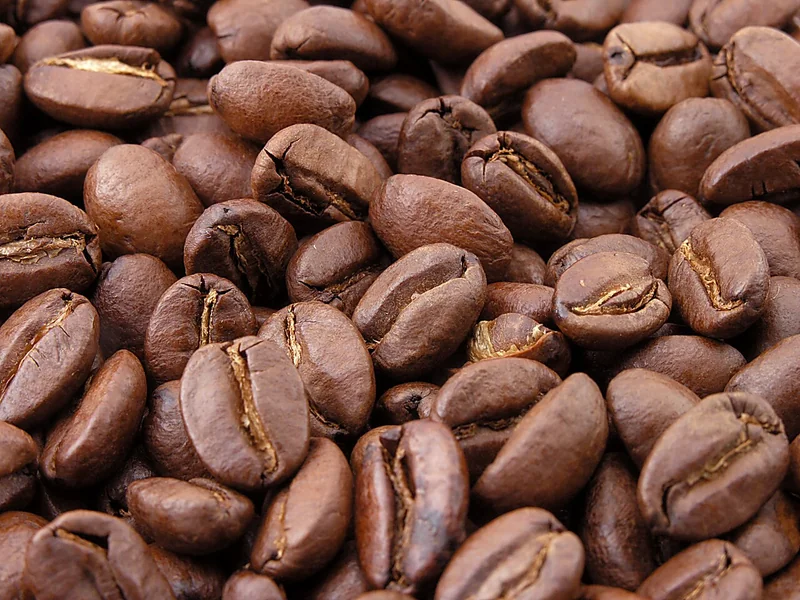
Kenyan AA is the highest screen-size grade of washed Arabica produced in Kenya, where beans are sorted by size on wire sieves (AA = screen 18, roughly 7.2 mm diameter). It is grown primarily on the slopes of Mount Kenya and the Aberdare Range at 1,400–2,000 metres, with the central highlands producing the densest and most complex lots. The Kenya AA designation describes screen size, not flavour, but larger beans from high altitude tend to show the blackcurrant, tomato, and grapefruit profile that has made Kenyan coffee a benchmark for bold washed Arabica.
Quick facts
- Type
- Single-Origin Bean
- Origin
- Central Highlands, Kenya
- Roast level
- Medium-light
- Acidity
- Intense, blackcurrant and grapefruit
- Body
- Full, syrupy
- Finish
- Long, bright, savoury tomato
- Tasting notes
- blackcurrant, grapefruit, tomato, brown sugar
Grading System
Kenya grades washed coffee by bean screen size at export. AA (screen 18) and AB (screen 15/16) are the two top export grades. Screen size correlates with altitude and slow maturation — larger beans from higher farms tend to be denser with more developed sugars. The grading happens at the Kenya Coffee Traders Association and at the Nairobi Coffee Exchange. It is important to note that AA is a size grade, not a quality certification; flavour is determined by origin, processing, and lot selection.
Washing Stations and Processing
Most Kenyan AA is produced through Kenya's cooperative wet-mill system. Smallholders deliver ripe cherries to centralised washing stations (washed processing), where the fruit is de-pulped, double-fermented for 48–72 hours, soaked in fresh water for 12–24 hours (the distinctive 'Kenya double ferment'), then dried on raised beds. The extended soaking step is unique to Kenyan processing and is associated with the clean, intense blackcurrant and grapefruit character for which Kenyan coffee is known.
Key Growing Districts
The best-regarded Kenyan AA lots come from Nyeri, Kirinyaga, and Murang'a counties on the slopes of Mount Kenya and the Aberdare Range. Kiambu (near Nairobi) produces different lots with lower altitude character. The volcanic, phosphorus-rich red soils of the central highlands contribute to the intense acidity and full body. Estate and single-farm lots from these areas regularly achieve high scores in SCA-style cupping.
Sources & further reading (2)
- encyclopedia — accessed 2026-05-06
- specialty-review — accessed 2026-05-06
Frequently asked questions
What does AA mean in Kenyan coffee grading?
AA refers to screen size 18, approximately 7.2 mm diameter. Kenya grades washed Arabica by sieve screen at export — AA is the largest commercially available size grade. Screen size loosely correlates with altitude and density, but AA is a classification of size, not a flavour or quality guarantee.
Why does Kenyan coffee taste like blackcurrant?
The blackcurrant note in Kenyan coffee is associated with high concentrations of certain volatile compounds, particularly ketones and esters produced during the double-ferment washing process. High altitude, specific soil mineralogy, and the SL28/SL34 cultivar varieties are also contributing factors.
Which brewing method suits Kenyan AA?
Pour-over methods — Hario V60, Chemex, or Kalita Wave — highlight Kenyan AA's clarity, acidity, and complex top notes. French press can work for a fuller body experience. A medium-light roast preserves the fruit and acidity best.