Java Estate Coffee
A washed or wet-hulled Arabica from the government estates of East Java with a smooth, spiced character.
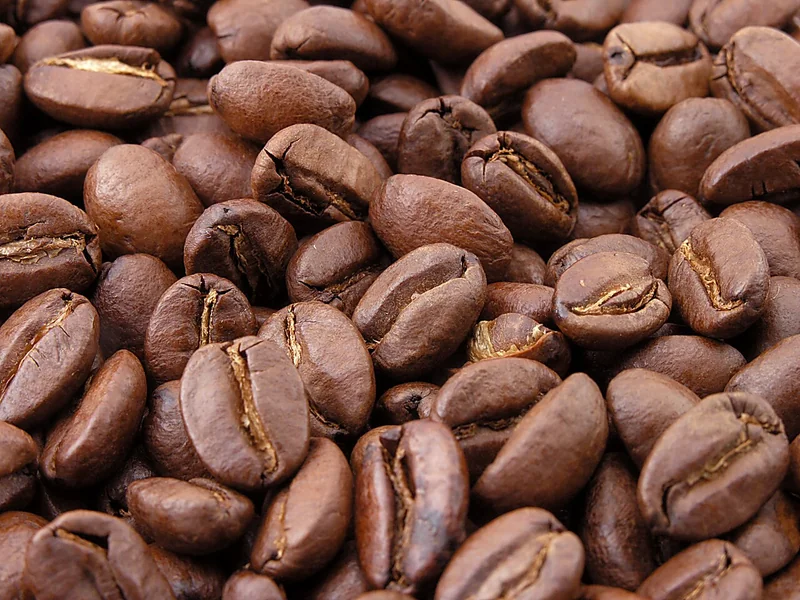
Java Estate coffee is produced on five large government-managed estates (perkebunan) in the Ijen Plateau of East Java, Indonesia, at altitudes of 900–1,500 metres. The estates — Blawan, Pancoer, Kayumas, Jampit, and Kalisat — were established by the Dutch colonial government in the 19th century and are among the oldest continuously operated coffee properties in the world. Java Arabica was once the world's most prized coffee; the term 'Java' became generic for coffee in English. Today's Java Estate cups show medium body, mild spice, and lower acidity compared to washed African origins.
Quick facts
- Type
- Single-Origin Bean
- Origin
- Ijen Plateau, East Java, Indonesia
- Roast level
- Medium
- Acidity
- Low to moderate
- Body
- Medium to full
- Finish
- Smooth, mild spice
- Tasting notes
- mild spice, dark chocolate, earthy, cedar
Colonial History and Dutch Estates
Coffee was introduced to Java by the Dutch East India Company (VOC) around 1696, using plants brought from Yemen through the Dutch botanical garden in Amsterdam. Java quickly became the dominant coffee export for Europe, and the word 'Java' entered English as a synonym for coffee. The colonial government established large estates in East Java under the Cultuurstelsel (cultivation system) in the 1830s–1870s; five of these estates survive today as government-owned enterprises producing Arabica under the Java Estate designation.
Processing Methods
Java Estate Arabica is processed by either washed or wet-hull method depending on the estate and the season. Washed-process Java shows cleaner acidity and spice notes; wet-hulled Java has the earthier, full-bodied character typical of Indonesian coffees. The estates typically sell both varieties. Washed Java is sometimes aged in wooden warehouses for years to produce Old Government Java — a deliberately aged, fermented style historically popular in Europe.
Mocha-Java Blend Heritage
Java Estate coffee is historically associated with the Mocha-Java blend — one of the oldest known coffee blends. The combination of full-bodied, earthy Java with the bright, winey character of Mocha (a port in Yemen through which early Ethiopian and Yemeni coffees were traded) was popular in Dutch trading houses in the 17th century. Modern recreations of the Mocha-Java blend typically use Ethiopian natural and Indonesian Arabica or a similar pairing of earthy and fruity coffees.
Sources & further reading (2)
- encyclopedia — accessed 2026-05-06
- encyclopedia — accessed 2026-05-06
Frequently asked questions
Why is coffee sometimes called 'Java'?
Java was the primary source of coffee exported to Europe from the late 1600s through the 1800s. Dutch control of Java's coffee estates made 'Java' synonymous with coffee in English, Dutch, and other European languages. The term 'cup of Java' or simply 'java' remains colloquial English for coffee.
What is Old Government Java?
Old Government Java is deliberately aged Java Estate Arabica, stored in burlap sacks in ventilated warehouses for 1–3 years. The aging process reduces acidity and develops a mellow, musty, earthy character. It was popular in Europe in the 19th century and is still produced by some estates as a niche product.
Is Java Estate coffee high quality?
Java Estate Arabica varies by estate and processing lot. Jampit and Blawan estates are generally regarded as the most consistent for specialty buyers. The profile is less complex than high-altitude East African coffees but is a clean, smooth, and historically significant origin.