Italian Coffee Culture
The origin of espresso culture — bar counter rituals, small cups, and the cappuccino-after-noon rule.
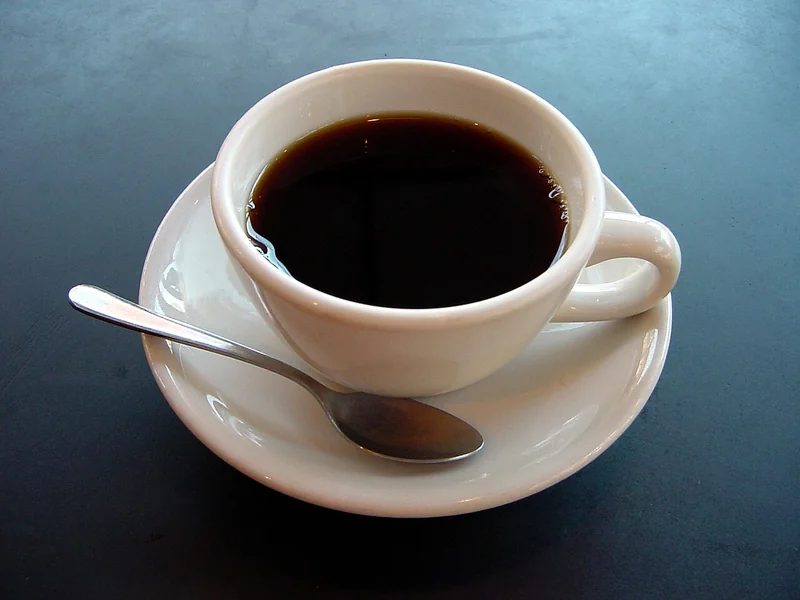
Italian coffee culture is built around the espresso bar: a standing counter where coffee is ordered, consumed in a few minutes, and paid for at a standardised low price (traditionally subsidised as a public good in some municipalities). The espresso machine was invented in Milan in 1901 by Luigi Bezzera and refined commercially by Desiderio Pavoni; the bar culture grew around it in the early 20th century. Italian espresso culture prescribes strict social conventions: cappuccino is a breakfast drink only; ordering a latte after noon is unusual; espresso is drunk standing at the bar; takeaway
Quick facts
- Type
- Regional Style
- Style
- Italian
The Bar Ritual
An Italian bar is not a drinking establishment in the British or American sense — it is a cafe counter serving espresso, pastries, and light food. The ritual is: enter, greet the barista, order, pay at the cassa (cash register), return the receipt to the barista as confirmation of payment, receive the espresso, drink standing at the bar in 2–3 minutes, and leave. Sitting at a table incurs a coperto (seating surcharge) in many establishments. The espresso is always small (25–30 ml single shot), always hot, always with a glass of water alongside. The barista-customer interaction is brief and efficient; the bar is a pause in the day, not a destination.
Regional Variation
Italian espresso culture varies by region. In Naples (Neapolitan espresso), the coffee is extracted longer and often slightly darker roasted, with a more bitter, robust character; the water is local Neapolitan water with mineral properties considered ideal for espresso. In Rome, espresso is often slightly longer pulled. In Milan and northern Italy, espresso tends toward lighter, faster extractions with higher acidity. In Sicily, a caffè d'orzo (barley coffee substitute) and almond milk additions are traditional. Despite regional variation, the social format — small cup, standing bar, milk only in the morning — is consistent nationally.
Espresso as National Identity
In Italy, espresso quality is a point of national cultural identity. Major commercial Italian roasters (Illy, Lavazza, Segafredo) source blends specifically designed for the Italian bar palate: medium-dark roasted, full-bodied, low-acidity, heavy crema. Single-origin light-roast specialty coffee has grown in Italian specialty shops since approximately 2010 but remains a niche against the traditional bar culture. Italian espresso blends typically include 10–20% Robusta for body and crema stability. The word 'espresso' in Italian means fast or express — a reference to the machine's ability to brew a single cup rapidly on demand.
Sources & further reading (2)
- encyclopedia — accessed 2026-05-06
- official — accessed 2026-05-06
Frequently asked questions
Why don't Italians drink cappuccino after noon?
The convention is rooted in Italian digestive culture: milk is considered heavy and suitable for breakfast (when the stomach is empty and needs lining) but inappropriate after meals (when milk would interfere with digestion). This is a cultural convention, not a rule — Italians occasionally drink cappuccino after noon, but ordering one in a traditional bar after 11 AM may receive a raised eyebrow. Tourists ordering cappuccino at 3 PM are a minor cultural marker.
What is a caffè corretto?
Caffè corretto ('corrected coffee') is an espresso with a small addition of grappa, sambuca, or other spirit. It is a traditional post-meal drink, particularly in northern Italy and during colder months. The spirit is typically added in a small quantity (5–10 ml) to the espresso, not served separately. Grappa is the most traditional addition; sambuca is common in central Italy.
What is the Italian price regulation on espresso?
In some Italian municipalities, particularly in Naples, espresso prices have historically been regulated by local authorities or subsidised as a public service. The tradition of the 'caffè sospeso' (suspended coffee) — paying for two espressos but only taking one, leaving the second for a stranger in need — originated in Naples. Nationally, espresso prices are set by individual establishments but cultural pricing pressure has kept them among the lowest in Europe compared to equivalent quality.