Hawaiian Kona
A Protected Designation of Origin Arabica from the slopes of Hualalai and Mauna Loa on Hawaii's Big Island.
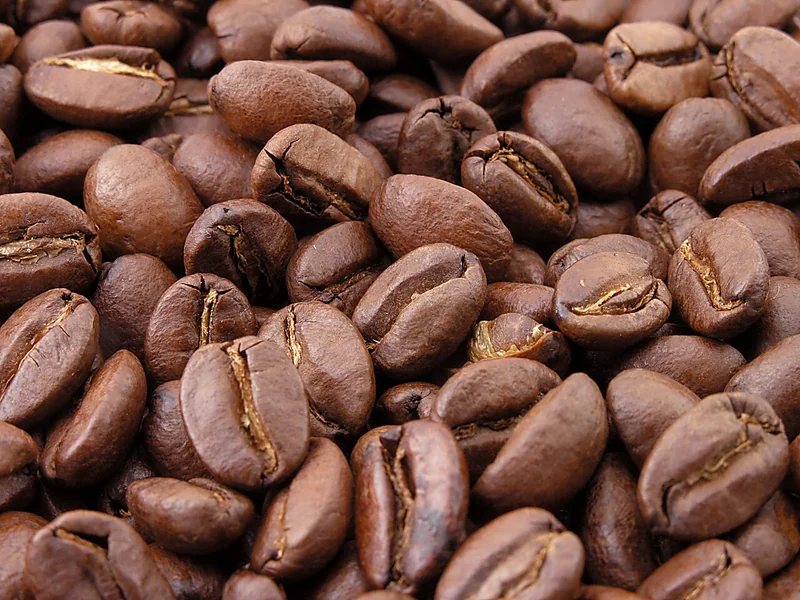
Hawaiian Kona coffee is a Protected Designation of Origin Arabica grown on the western slopes of the Hualalai and Mauna Loa volcanoes on the Big Island of Hawaii, between 180 and 900 metres above sea level. The Kona Coffee Belt — a strip roughly 30 miles long and 1–2 miles wide — has a microclimate of sunny mornings, afternoon cloud cover, mild rain, and well-drained volcanic soil that supports a distinct cup profile: mild acidity, full body, and flavours of chocolate, nut, and light fruit.
Quick facts
- Type
- Single-Origin Bean
- Origin
- North and South Kona Districts, Hawaii Island, USA
- Roast level
- Medium
- Acidity
- Mild, balanced
- Body
- Medium to full
- Finish
- Smooth, clean
- Tasting notes
- milk chocolate, nut, honey, mild citrus
Kona Coffee Belt and Microclimate
The Kona Coffee Belt runs along the western face of Mauna Loa and Hualalai between elevations of roughly 180 and 900 metres. The belt is narrow — 1–2 miles wide — and benefits from a unique microclimate: clear, sunny mornings with low humidity, followed by afternoon cloud cover that protects plants from afternoon heat, then light rain from orographic lift in the late afternoon. Volcanic soils (Andisols) derived from basaltic lava are well-draining, mineral-rich, and slightly acidic — ideal for Arabica production.
Extra Fancy and Kona Grades
The Hawaii Department of Agriculture grades Kona coffee by bean size and defect count. Extra Fancy is the largest bean size (screen 19) with no defects; Fancy is screen 18; Number 1 is screen 16; Prime is screen 14–16. Below Prime comes the peaberry grade — small round beans sorted separately. Extra Fancy and Fancy grades carry the highest premiums. The Hawaii Kona Coffee Cultural Festival and official labeling laws are enforced by the state to prevent mislabelled 'Kona blend' products that may contain only 10 percent Kona coffee.
Price and Authenticity
Authentic 100 percent Kona coffee is expensive — premium grades typically retail at $50–70 per pound retail. The high price reflects small farm size (most are 1–5 acres), minimum-wage labour (the highest in any U.S. agricultural sector), and limited production area. 'Kona blend' products sold at much lower prices typically contain only 10 percent Kona under Hawaii law, blended with commodity coffee from elsewhere. Buyers seeking authentic Kona should look for '100% Kona Coffee' labels and estate or farm identification.
Sources & further reading (2)
- encyclopedia — accessed 2026-05-06
- government-agriculture — accessed 2026-05-06
Frequently asked questions
Why is Hawaiian Kona coffee so expensive?
Kona's small geographic growing zone, high U.S. labour costs (minimum wage applies to farm workers), small individual farm sizes, and short supply relative to global demand result in significantly higher prices than most origins. The prestige designation also maintains a price premium even for lower-grade Kona.
What does '10% Kona blend' mean on a coffee label?
Hawaii state law allows a product labelled 'Kona blend' to contain a minimum of 10 percent Kona coffee, with the remainder being coffee from other origins. This means most 'Kona blend' products sold at low prices contain very little authentic Kona. '100% Kona Coffee' labels guarantee the full content is Kona-grown.
What brewing method is best for Hawaiian Kona?
Medium roast Kona works well in a clean pour-over — Hario V60 or Chemex — to showcase its balanced sweetness, mild acidity, and chocolate notes. It also brews well in drip coffee makers and is an easy-drinking single origin for those who prefer low-acidity, smooth filter coffee.