Guatemalan Antigua
A washed Arabica from Guatemala's volcanic Antigua valley with rich body, cocoa, and mild spice.
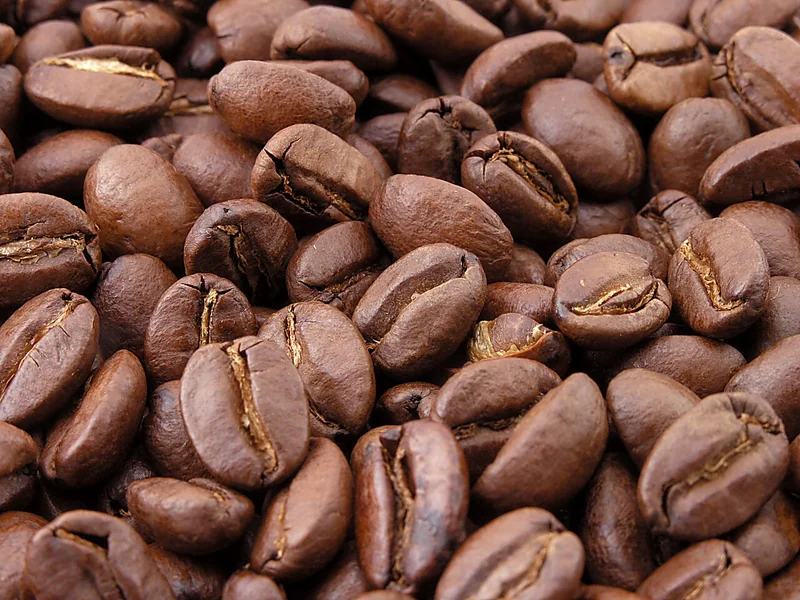
Guatemalan Antigua is a washed Arabica produced in the high-altitude valley surrounding the colonial city of Antigua Guatemala, at elevations of 1,500–1,700 metres. The valley is flanked by three volcanoes — Agua, Fuego, and Acatenango — whose volcanic ash enriches the soil with minerals and porous pumice that aids drainage. This terroir produces a full-bodied coffee with rich chocolate and mild spice notes, moderate acidity, and a smooth finish. Antigua is one of Guatemala's eight certified coffee regions and one of the most internationally recognisable Central American origins.
Quick facts
- Type
- Single-Origin Bean
- Origin
- Antigua Valley, Sacatepequez, Guatemala
- Roast level
- Medium
- Acidity
- Moderate, citrus
- Body
- Full
- Finish
- Smooth, chocolatey with mild spice
- Tasting notes
- dark chocolate, mild spice, caramel, dried fruit
Volcanic Terroir
Antigua's valley floor sits at 1,500 metres, surrounded by Agua (3,760 m), Fuego (3,763 m), and Acatenango (3,976 m). The volcanic soil is a mix of pumice and mineral-rich ash that drains well but retains sufficient moisture for coffee production. The volcanic microclimate moderates temperatures even at lower altitudes, with cool nights slowing cherry ripening and allowing sugar accumulation. The active Volcan de Fuego periodically deposits fresh ash, continually renewing soil fertility.
Antigua Region Certification
Guatemala's ANACAFE (National Coffee Association of Guatemala) certifies eight coffee regions based on altitude, climate, and soil. Antigua is one of these regions, and the Antigua Protected Designation of Origin protects the name. Coffee bearing the Antigua label must originate from farms within the certified zone. This distinguishes it from broader Guatemalan commercial grades and from nearby regions such as Acatenango and Palencia.
Processing and Varieties
Antigua coffees are predominantly washed. Cherry is de-pulped at farm-level or small-mill level, fermented overnight, washed, and dried on patios or raised beds. The main cultivars are Bourbon, Caturra, and Catuai — all Arabica varieties. Typica is grown on some older farms. Specialty buyers seek micro-lot Antigua from well-known farms such as La Hermosa, Bella Vista, and El Injerto (though El Injerto is technically in Huehuetenango, another certified region).
Sources & further reading (2)
- encyclopedia — accessed 2026-05-06
- industry-standard — accessed 2026-05-06
Frequently asked questions
What are Guatemala's eight certified coffee regions?
ANACAFE certifies: Antigua, Acatenango, Atitlan, Coban, Fraijanes, Huehuetenango, New Orient (San Marcos), and Rainforest (Peten). Each region has defined boundaries, altitude ranges, and microclimate characteristics. Antigua is the most internationally recognised of the eight.
Why does Guatemalan Antigua have such a full body?
The full body of Antigua coffee is linked to the volcanic pumice soils that hold nutrients well, the moderate altitude (1,500–1,700 m), and the high daily temperature variation which slows cherry maturation while allowing complex sugars and oils to develop. Washed processing preserves these characteristics in the cup.
What brewing method suits Guatemalan Antigua?
Guatemalan Antigua works well across most brew methods. French press highlights the full body and chocolate notes. Pour-over at medium roast produces a balanced cup with mild acidity and sweetness. It is also a popular espresso base because the low acidity and full body translate well under pressure.