French Press
An immersion brewing method using a metal mesh plunger — produces a full-bodied, oil-rich cup without paper filtration.
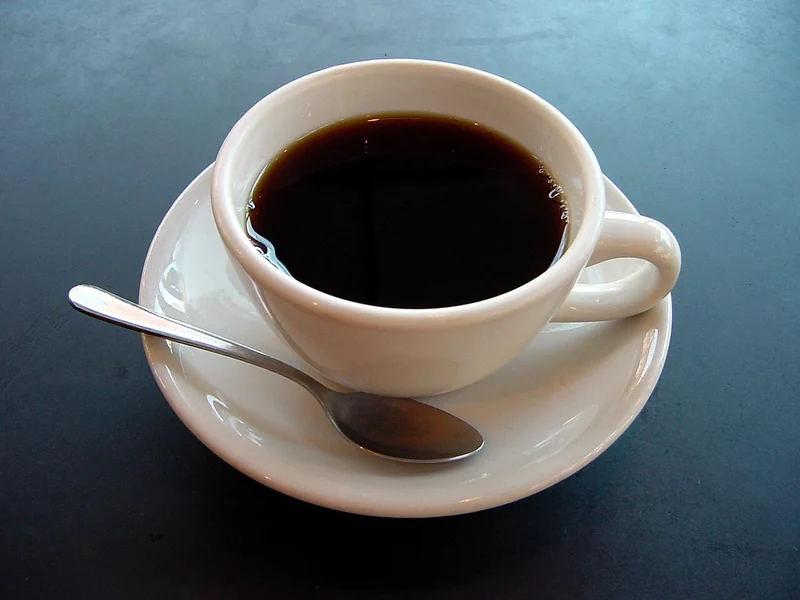
The French press (also called a cafetiere or press pot) is an immersion brewing device in which coarsely ground coffee steeps in hot water for 3–5 minutes before a metal mesh plunger is pressed down to separate the grounds from the brew. Unlike paper-filtered methods, the metal mesh allows coffee oils and fine particles to pass into the cup, resulting in a full-bodied, viscous texture and richer mouthfeel. The French press is simple, requires no filter paper, and produces a consistent result with minimal technique. It is one of the most widely used manual brewing methods globally.
Quick facts
- Type
- Brewing Method
- Brew time
- 4 minutes
- Ratio
- 1:15 (coffee to water by weight)
- Temperature
- 93–96°C
Design and History
The French press was patented by Italian designer Attilio Calimani in 1929, though various similar devices existed earlier. A Swiss merchant named Faliero Bondanini obtained a French patent in 1958 and manufactured it under the brand name 'Chambord' in France. The cafetiere became popular in France and the UK through Household goods retailers. The design consists of a cylindrical glass or stainless steel beaker and a lid with a metal mesh plunger. Sizes range from single-cup (0.35 L) to 8-cup (1.0 L) versions.
Immersion Brewing Principles
In immersion brewing, coffee grounds are fully submerged in water for the entire brew time. This differs from percolation methods (pour-over, drip) where water passes through the grounds continuously. Immersion produces a more even extraction because every part of the grounds is in contact with water simultaneously. The French press's metal mesh filter retains large grounds but allows fine particles and oils through, contributing to the characteristic full body and slightly gritty texture compared to paper-filtered coffee.
Grind, Technique, and Maintenance
French press requires a coarse grind — similar to sea salt or coarsely cracked pepper — to prevent grounds from passing through the mesh and to avoid over-extraction during the steep time. Too fine a grind produces a gritty, bitter cup. Recommended technique: add coffee, pour in water just off boil, stir gently to submerge all grounds, place lid on without pressing, steep 4 minutes, press slowly. Clean the plunger and mesh after each use to prevent rancid oil buildup.
Sources & further reading (2)
- encyclopedia — accessed 2026-05-06
- industry-standard — accessed 2026-05-06
Frequently asked questions
Is French press coffee stronger than drip coffee?
French press coffee is often perceived as stronger due to higher oil content and richer body. The dissolved solid content (TDS) may be similar to drip coffee at the same ratio, but the oils and micro-grounds give a heavier mouthfeel. Extraction percentage in a well-made French press typically falls in the 18–22 percent range, similar to quality drip coffee.
Can I use medium grind for French press?
Using medium grind in a French press produces a finer, more gritty sediment in the cup and can cause over-extraction bitterness at standard steep times. Coarse grind is recommended to keep fine particles above the mesh and maintain a balanced extraction. If you prefer a finer texture, reduce steep time to 2–3 minutes.
Why does French press coffee sometimes taste bitter?
Bitterness in French press most often comes from over-extraction caused by too-fine grind, too-high water temperature, or too-long steep time. Using water at 93–95°C (not boiling), a coarse grind, and a strict 4-minute steep before pressing resolves most bitterness issues.