Ethiopian Yirgacheffe
A washed Arabica from southern Ethiopia known for floral aromatics and bright citrus acidity.
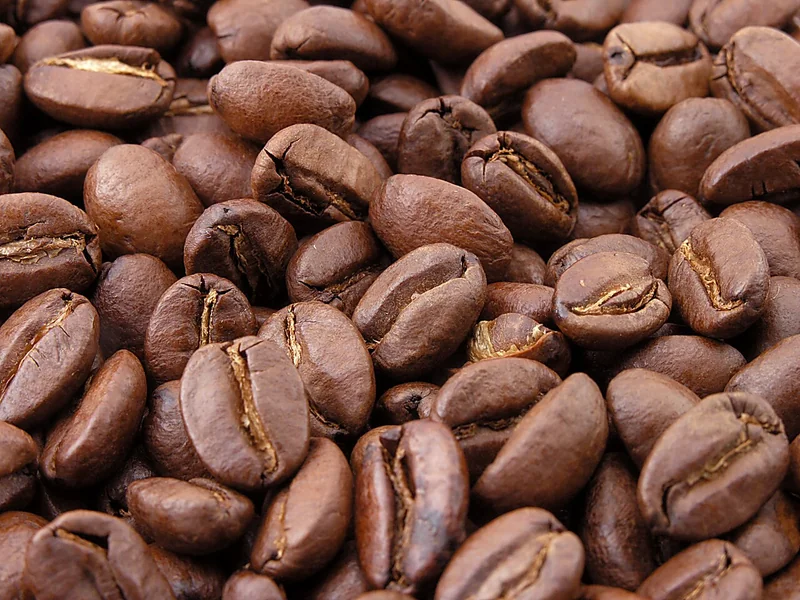
Ethiopian Yirgacheffe is a washed-process Arabica grown at 1,700–2,200 metres in the Gedeo Zone of the Southern Nations, Nationalities and Peoples Region of Ethiopia. The combination of high altitude, fertile volcanic soils, and the washed preparation method produces a cup with distinctive floral notes — often described as jasmine or bergamot — alongside bright lemon and stone-fruit acidity. Yirgacheffe is one of the benchmark single-origins in specialty coffee and is frequently used to illustrate terroir-driven flavour profiles.
Quick facts
- Type
- Single-Origin Bean
- Origin
- Gedeo Zone, Southern Ethiopia
- Roast level
- Light
- Acidity
- Bright citrus, lemon-like
- Body
- Light to medium
- Finish
- Clean, lingering bergamot
- Tasting notes
- jasmine, bergamot, lemon, peach
Growing Region
Yirgacheffe coffees are grown in the Gedeo Zone, part of the SNNPR region in southern Ethiopia. Altitudes range from 1,700 to 2,200 metres above sea level. The climate is defined by two wet seasons and rich volcanic loam that retains moisture while draining well. Smallholder farmers typically intercrop coffee with enset and other shade trees, creating a forest-garden system that is centuries old.
Processing and Preparation
The majority of Yirgacheffe is processed using the washed (wet) method: harvested cherries are de-pulped, fermented in water tanks for 36–72 hours to remove the mucilage layer, then dried on raised African beds for 10–14 days. Washed processing emphasises the bean's intrinsic acidity and floral aromatics by removing the fruit layer before drying. Some producers also offer natural (dry-process) Yirgacheffes, which tend toward fruity, wine-like complexity.
Roasting and Brewing
Specialty roasters typically apply a light to medium-light roast to preserve the delicate floral and citrus notes characteristic of Yirgacheffe. Darker roasts reduce the floral character and increase body. Pour-over methods such as the Hario V60 and Chemex are widely recommended because they highlight clarity and acidity. Filter-grind espresso can also work at a light roast level, though the brightness requires careful extraction management.
Sources & further reading (2)
- encyclopedia — accessed 2026-05-06
- industry-standard — accessed 2026-05-06
Frequently asked questions
What makes Yirgacheffe coffee distinctive?
The combination of high altitude (1,700–2,200 m), volcanic soils, and washed processing produces a cup with unusually pronounced floral aromatics — jasmine and bergamot — and a bright, clean acidity. These characteristics are rarely found together in coffees from lower-altitude or different-process origins.
What is the difference between washed and natural Yirgacheffe?
Washed Yirgacheffe has the fruit removed before drying, resulting in a cleaner, more acidic cup with pronounced floral notes. Natural Yirgacheffe dries with the fruit intact, adding fruit-forward sweetness and wine-like complexity at the cost of some clarity.
What brewing method suits Yirgacheffe best?
Pour-over methods — Hario V60, Chemex, or Kalita Wave — highlight the clarity, acidity, and floral notes that define Yirgacheffe. Immersion methods such as the AeroPress can also work well. Both approaches benefit from water temperature around 90–93°C and a medium-fine grind.