Ethiopian Harrar
A dry-processed highland Arabica from eastern Ethiopia with bold fruit and wine-like complexity.
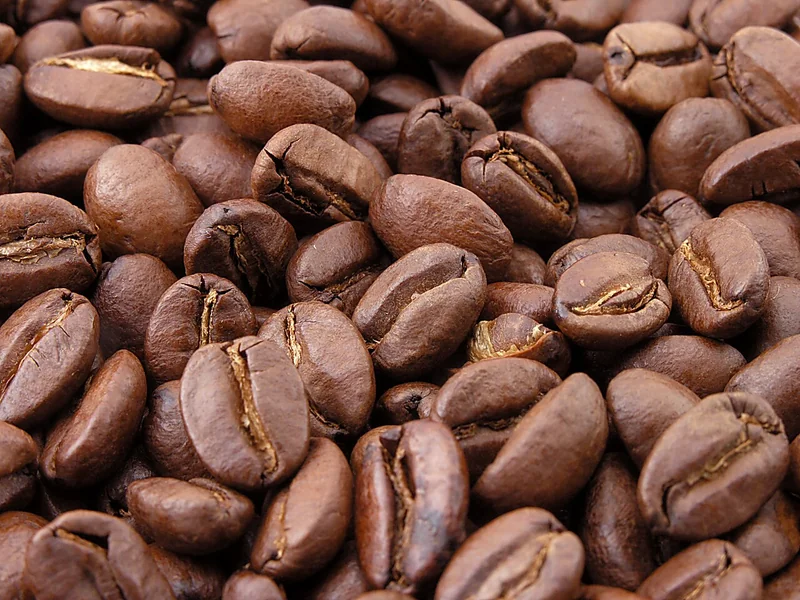
Ethiopian Harrar is a dry-processed (natural) Arabica grown in the highlands of the Harrar region in eastern Ethiopia at altitudes of 1,500–2,100 metres. Because the coffee cherry dries intact on raised beds or patios, the bean absorbs the fruit's sugars and acids during the drying period, producing a cup with pronounced blueberry, dark fruit, and wine-like character. Harrar is one of the oldest commercially traded Ethiopian origins and is noted for its wild, fermented complexity.
Quick facts
- Type
- Single-Origin Bean
- Origin
- Harrar Region, Eastern Ethiopia
- Roast level
- Medium
- Acidity
- Low to moderate, winey
- Body
- Full
- Finish
- Long, fruity, fermented
- Tasting notes
- blueberry, dark chocolate, wine, dried fruit
Natural Processing and Flavour
Harrar is almost exclusively processed by the natural (dry) method. Ripe cherries are sorted and spread on raised drying beds or concrete patios, where they dry for 3–6 weeks. During drying, microbial fermentation breaks down the fruit layer, and the bean absorbs fruit esters and sugars. This produces the characteristic winey, blueberry-forward flavour that distinguishes Harrar from the more citrus-and-floral washed Ethiopians.
Varieties and Cultivation
The coffee grown around Harrar is predominantly Longberry Harrar, a large-bean variety of Arabica that has adapted to the semi-arid highlands of eastern Ethiopia. Smallholder farms at 1,500–2,100 metres cultivate the plants in garden plots alongside food crops. Inconsistent sorting and drying conditions mean that cup quality varies significantly between lots — specialty-grade Harrar commands a premium for consistently ripe cherry selection and controlled drying.
Historical Significance
Harrar is historically one of the oldest export coffees from Ethiopia, traded through the port of Berbera and later Djibouti for centuries. Some accounts link it to the early development of the Mocha coffee trade, since Arabian Peninsula traders imported Ethiopian green beans via Yemen. The region gives its name to the Harrar coffee designation recognised by the Ethiopian Intellectual Property Office.
Sources & further reading (2)
- encyclopedia — accessed 2026-05-06
- industry-standard — accessed 2026-05-06
Frequently asked questions
Why does Harrar coffee taste like blueberries?
The blueberry character in natural-process Harrar comes from fermentation that occurs while the coffee cherry dries intact on the bean. Microbial activity converts fruit sugars into aromatic esters — including ethyl butyrate and similar compounds — that produce fruit-forward flavours in the finished cup.
Is Harrar coffee more acidic than Yirgacheffe?
No. Harrar typically shows lower, more vinous acidity compared to the bright, citrus-forward acidity of washed Yirgacheffe. Natural processing reduces perceived acidity by softening the malic and citric acids while adding sweetness from fruit sugars.
What brewing method suits Ethiopian Harrar?
French press and AeroPress highlight Harrar's full body and fruit complexity. Pour-over methods work but can amplify inconsistencies between lots. A medium roast is common to balance fruit intensity with sweetness without burning off the aromatics.