Espresso
A concentrated, 25–35 ml shot of coffee extracted at 9 bars of pressure — the foundation of modern cafe culture.
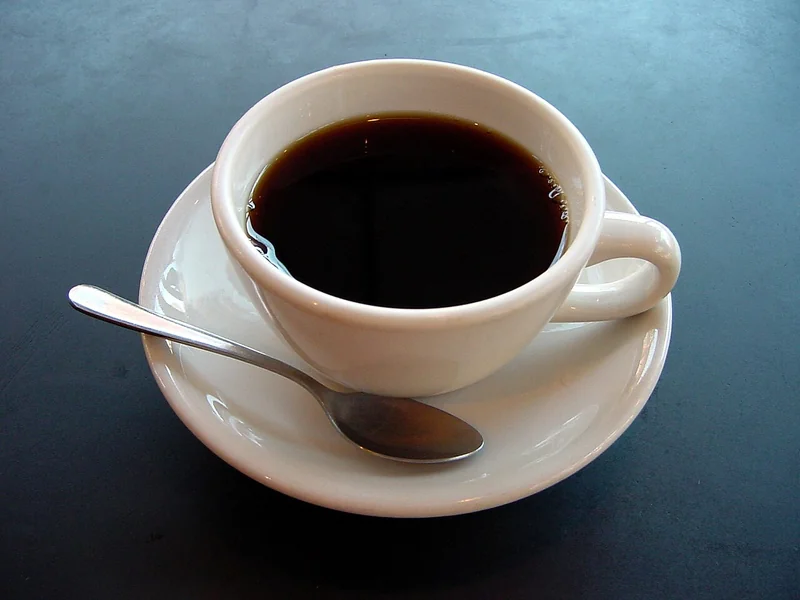
Espresso is a concentrated coffee drink produced by forcing hot water through finely ground coffee at approximately 9 bars of pressure for 25–30 seconds. A standard double espresso (doppio) uses 14–18 g of coffee and produces 50–60 ml of liquid. The shot is characterised by thick crema (reddish-brown emulsified foam), syrupy body, high concentration of dissolved solids, and complex flavour that condenses the coffee's acidity, sweetness, and bitterness into a small volume. Espresso is drunk as a stand-alone shot or used as the base for latte, cappuccino, Americano, flat white, and macchiato.
Quick facts
- Type
- Coffee Drink
- Coffee base
- Double espresso (14–18 g coffee, 50–60 ml output)
- Ratio
- 1:2 coffee to water (standard), 1:1 (ristretto), 1:3 (lungo)
- Traditional region
- Italy
The Shot and Crema
A properly extracted espresso shot consists of three visually distinct layers: the body (the dark, main liquid), the heart (the darkest, most bitter core), and the crema (the reddish-brown foam on top). Crema is formed from emulsified oils and CO2 released under pressure during extraction. It is produced only at high pressure — drip coffee and Moka pot do not produce true crema. Crema fades within 1–2 minutes as CO2 dissipates. Specialty espresso culture targets a tiger-striped crema pattern (darker at the centre, lighter at the edges) as an indicator of proper extraction.
Ristretto, Normale, and Lungo
Three length variations exist for espresso extracted from the same dose. A ristretto ('restricted') uses half the water of a normale (approximately 1:1 coffee-to-liquid ratio), producing a very concentrated, sweet, and low-bitterness shot. A normale is the standard 1:2 ratio. A lungo ('long') uses two to three times the water of a normale (1:3 or more), extending extraction and producing a larger, more bitter shot. Each variation changes the ratio of early-extracted (sweet, acidic) versus late-extracted (bitter) compounds in the cup.
Italian Espresso Tradition
Espresso as a commercial concept was developed in Italy, where Angelo Moriondo patented an early steam-pressure device in 1884 and Luigi Bezzerra refined the single-cup extraction method in 1901. The 9-bar standard was established through research in the 1940s–50s. In Italy, espresso is drunk standing at a bar counter, typically in 30–45 seconds, served in a pre-warmed 60–90 ml demitasse cup. Italian espresso culture uses medium-dark to dark roasts, often with some Robusta for crema and body. The Istituto Nazionale Espresso Italiano certifies compliant recipes and preparation standards.
Sources & further reading (2)
- encyclopedia — accessed 2026-05-06
- industry-standard — accessed 2026-05-06
Frequently asked questions
How should an espresso taste?
A well-extracted espresso should balance sweetness, acidity, and bitterness. It should not be purely bitter or purely sour. Common descriptors for a good shot include caramel, dark fruit, mild citrus, chocolate, and a clean finish. Off-notes to avoid: sourness (under-extraction), harsh bitterness (over-extraction), flat or watery (too coarse grind or too-long ratio).
What is the difference between espresso and Americano?
An Americano is espresso diluted with hot water — typically a double espresso topped with 100–150 ml of water. This produces a drink similar in volume to a drip coffee with the distinctive flavour of espresso but lower concentration. The Americano was reportedly developed for American soldiers in Europe during WWII who found espresso too concentrated.
Why does fresh espresso taste more intense than stale espresso?
Espresso from freshly roasted coffee (7–14 days post-roast is typical specialty range) has more dissolved CO2 in the bean, which contributes to crema, flavour complexity, and aromatic brightness. Coffee that is too freshly roasted (within 3 days of roast) can have excessive CO2 causing channelling; coffee roasted more than 4–6 weeks prior loses aromatics rapidly.