Espresso Brewing
Hot water forced through finely ground coffee at 9 bars — the Italian extraction method behind most cafe drinks.
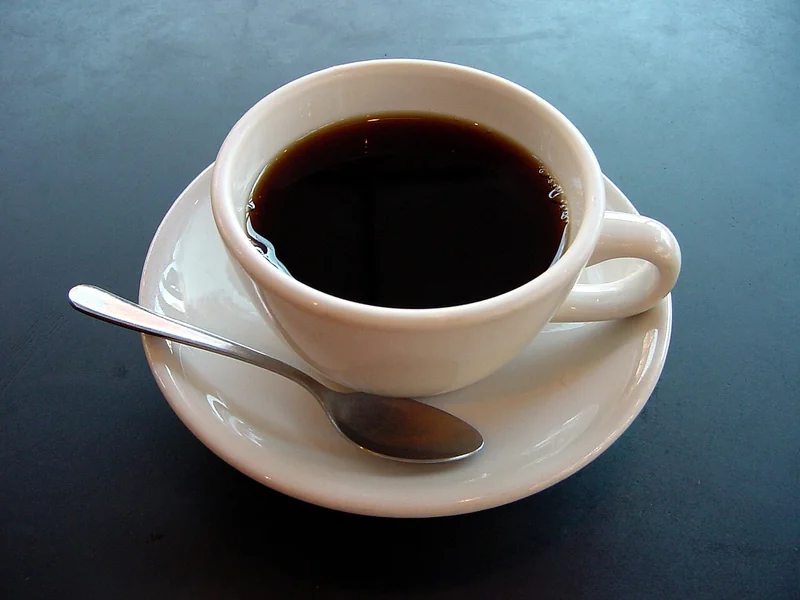
Espresso is a brewing method in which near-boiling water (90–96°C) is forced through a compacted bed of finely ground coffee at approximately 9 bars of pressure for 25–30 seconds. A standard single shot uses 7–9 g of ground coffee and produces 25–35 ml of liquid. The pressurised extraction dissolves soluble compounds rapidly, concentrating oils, acids, and sugars into a thick, syrupy liquid topped with crema — the reddish-brown foam formed from emulsified coffee oils and CO2. Espresso is both a stand-alone drink and the base for milk drinks including latte, cappuccino, and flat white.
Quick facts
- Type
- Brewing Method
- Brew time
- 25–30 seconds
- Ratio
- 1:2 (coffee to water by weight, for a standard double)
- Pressure
- 9 bars
- Temperature
- 90–96°C
Equipment and Variables
Espresso requires an espresso machine capable of generating 9 bars of pressure, a portafilter basket, and a burr grinder that can produce consistent fine grinds. Key extraction variables include: dose (g of coffee), grind size, tamping pressure and evenness, water temperature, and pressure profile. Commercial espresso machines use saturated group heads to maintain temperature stability. Home machines vary widely in temperature and pressure stability, affecting shot consistency.
Crema and Extraction
Crema is the reddish-brown foam on top of a properly extracted espresso shot. It forms from emulsified oils, CO2 released during extraction, and fine suspended particles. Freshly roasted coffee produces more crema because recently formed CO2 is still present in the bean. Crema fades within 1–2 minutes. Over-extracted shots appear pale and thin; under-extracted shots show uneven, light or blond crema. Target crema colour is reddish-brown with some mottling — sometimes called 'tiger striping.'
Espresso-Based Drinks
Espresso is the base for a family of milk-coffee drinks. An Americano dilutes espresso with hot water to approximate the volume of filter coffee. A latte combines espresso with steamed milk at approximately 1:3–1:4 ratio. A cappuccino balances roughly equal volumes of espresso, steamed milk, and milk foam. A flat white uses a double ristretto (shorter, more concentrated shot) with less milk and foam than a latte. Macchiato marks espresso with a small amount of foam or milk.
Sources & further reading (2)
- encyclopedia — accessed 2026-05-06
- industry-standard — accessed 2026-05-06
Frequently asked questions
Why does espresso need 9 bars of pressure?
9 bars is the standard derived from Italian espresso research in the 1940s–1950s, associated with Ernesto Valente and the Faema E61 machine. At approximately 9 bars, water extraction is fast (25–30 seconds), emulsification of oils is efficient, and the crema forms properly. Lower pressure under-extracts and produces thin, sour shots; excessively high pressure (12+ bars) over-extracts.
What is the difference between a single and double espresso?
A single espresso (solo) uses approximately 7–9 g of coffee and produces 25–35 ml. A double (doppio) uses 14–18 g and produces 50–60 ml. Most specialty coffee shops pull doubles as the standard; singles require a smaller basket and are less common. A ristretto is a shorter, more concentrated double using the same dose but half the water (1:1 ratio).
What roast level is best for espresso?
Roast level preference for espresso varies by tradition. Italian commercial espresso uses medium-dark to dark roasts for bitterness, body, and crema. Specialty third-wave espresso often uses medium or even light roasts to emphasise fruit and acidity at higher extraction temperatures. Neither approach is objectively correct — it reflects flavour philosophy.