Costa Rican Tarrazu
A washed highland Arabica from Costa Rica's highest-altitude growing district with bright acidity and clean sweetness.
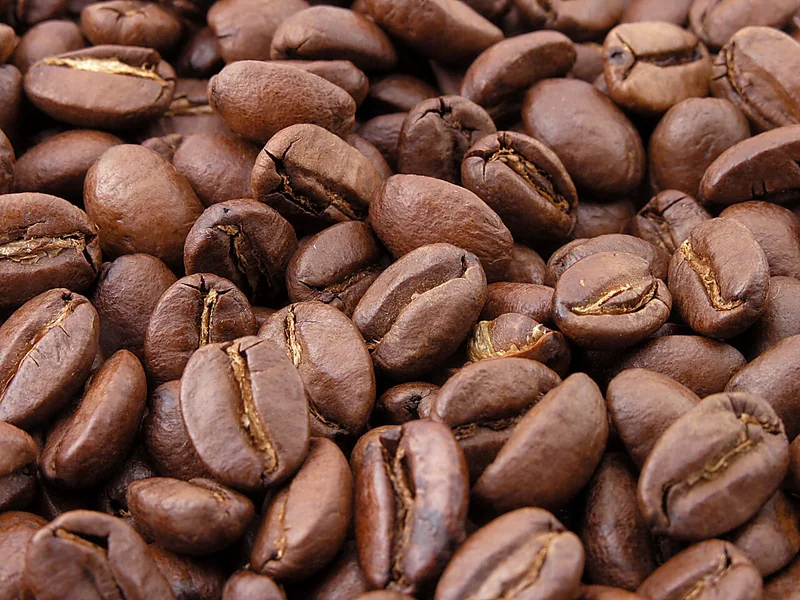
Costa Rican Tarrazu is a washed Arabica produced in the Tarrazu district of San Jose province, Costa Rica, at altitudes of 1,200–1,900 metres — among the highest in Central America. Costa Rica outlawed the cultivation of Robusta in 1989, meaning all legally produced coffee in the country is Arabica. Tarrazu's volcanic soils, distinct wet and dry seasons, and high altitude produce a cup with bright citrus acidity, clean sweetness, and a medium body. It is one of the most exported and recognisable Central American specialty origins.
Quick facts
- Type
- Single-Origin Bean
- Origin
- Tarrazu District, San Jose Province, Costa Rica
- Roast level
- Medium-light
- Acidity
- Bright, citrus-forward
- Body
- Medium
- Finish
- Clean, sweet
- Tasting notes
- orange, honey, caramel, mild citrus
Altitude and Geography
The Tarrazu district encompasses the valleys of Los Santos — San Marcos, Santa Maria, and San Pablo — in the Chirripó massif of southern Costa Rica. Coffee farms occupy elevations from 1,200 to 1,900 metres on volcanic slopes with rich Andisols derived from the Turrialba and Irazu volcanic systems. The altitude and temperature differential between day and night (diurnal range) slow cherry maturation, concentrating sugars and developing complex acidity.
Processing and the Costa Rican Honey Process
The majority of Tarrazu is washed, but Costa Rica is associated with the commercialisation of the honey process — where the mucilage layer (honey) is left on the bean during drying after de-pulping. Yellow, red, and black honey variants differ in how much mucilage remains and how long drying takes, producing progressively sweeter, fruitier cups. This innovation has influenced processing across Central America and is now widely used in Nicaragua, El Salvador, and Honduras.
Market Reputation and Certifications
Tarrazu coffee is widely regarded as one of Central America's benchmark washed Arabicas. Many lots carry Rainforest Alliance or UTZ Certified labels reflecting environmental standards in the growing region. The Tarrazu name is commercially protected and regulated by Costa Rica's ICAFE (Instituto del Cafe de Costa Rica). Specialty buyers often request single-mill traceability, with well-known micro-mills such as El Beneficio San Jose and Beneficio Coopetarrazu providing direct-trade lots.
Sources & further reading (2)
- encyclopedia — accessed 2026-05-06
- industry-research — accessed 2026-05-06
Frequently asked questions
Why does Costa Rica only grow Arabica coffee?
Costa Rica passed a law in 1989 banning the cultivation of Robusta (Coffea canephora) because Robusta's lower quality was perceived as damaging the country's coffee reputation. All commercially grown coffee in Costa Rica is Arabica, which is less productive but commands higher prices.
What is honey-process coffee?
Honey process removes the cherry skin but leaves varying amounts of the mucilage layer (the sticky sweet layer surrounding the seed) on the bean during drying. Yellow honey retains little mucilage, black honey retains the most. More mucilage means more sweetness and fruit character in the finished cup.
What brewing method suits Costa Rican Tarrazu?
Pour-over methods including the Hario V60, Chemex, and Kalita Wave highlight Tarrazu's clean acidity and sweetness. A medium-light roast with water at 92–95°C and a 1:15–1:16 ratio is a common starting point. Washed Tarrazu also works in an AeroPress for a brighter, more concentrated result.