Cortado
Espresso cut with an equal amount of flat steamed milk — a small, balanced Spanish coffee drink.
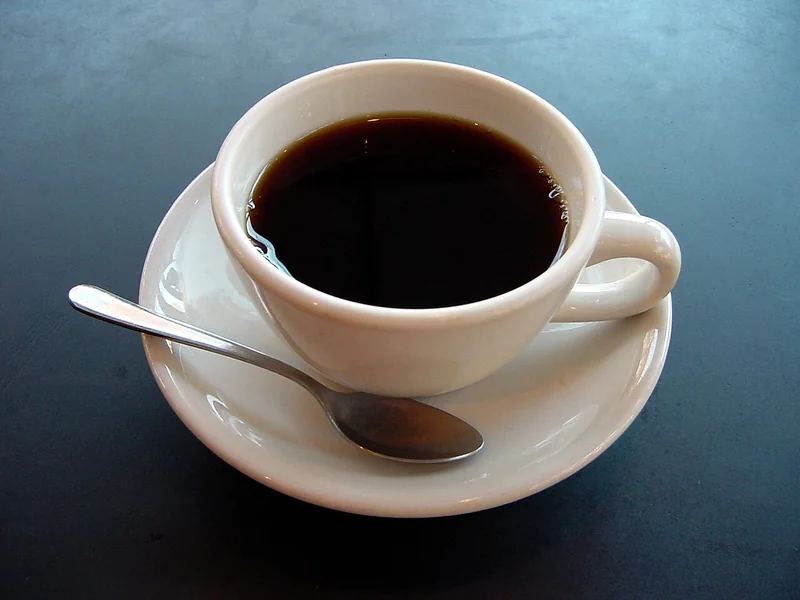
A cortado is a Spanish coffee drink made by combining espresso with an approximately equal volume of steamed milk that has been lightly textured but not heavily frothed. The name comes from the Spanish verb cortar (to cut) — the milk cuts the acidity and intensity of the espresso. A standard cortado uses a double espresso (50–60 ml) and 50–60 ml of steamed milk, served in a small 80–120 ml glass. The cortado is less milky than a latte and flatter than a cappuccino, making it a drink that preserves the espresso flavour while moderating its sharpness.
Quick facts
- Type
- Coffee Drink
- Coffee base
- Double espresso (50–60 ml)
- Milk
- Equal volume flat steamed milk, minimal foam
- Ratio
- 1:1 espresso to steamed milk
- Traditional region
- Spain
Spanish Coffee Tradition
The cortado is a staple of Spanish cafe culture, particularly in the Basque Country and Galicia. It is typically served in a small glass (un vasito) rather than a ceramic cup, which allows the drinker to see the layering of espresso and milk. In Spain, coffee ordering has precise small-drink vocabulary: cafe solo (espresso), cortado, cafe con leche (larger milk coffee). The cortado occupies the middle position — less intense than a solo, less milky than a cafe con leche. The drink is traditionally consumed at mid-morning.
Gibraltar and American Specialty
The Gibraltar is the American specialty coffee equivalent of a cortado, popularised by Four Barrel Coffee in San Francisco in the 2000s. It is named after the Gibraltar glass (a 4.5 oz rock glass by Libbey) in which it is served. The Gibraltar uses a double ristretto rather than a standard double espresso, producing a slightly sweeter, more concentrated base. The drink's glass size (approximately 130 ml) and ristretto base distinguish it from the standard Spanish cortado. Both drinks share the 1:1 espresso-to-milk concept.
Cortado vs Piccolo Latte
A piccolo latte is an Australian specialty coffee drink that uses a single ristretto (approximately 20–25 ml) in a 90–100 ml glass, topped with steamed milk. Like the cortado, it is a small, espresso-forward milk drink. The difference is the espresso base: a piccolo uses a single ristretto; a cortado uses a double espresso. Both drinks serve the purpose of providing a concentrated, milky espresso experience without the volume of a latte.
Sources & further reading (2)
- encyclopedia — accessed 2026-05-06
- industry-standard — accessed 2026-05-06
Frequently asked questions
What glass is a cortado traditionally served in?
A traditional Spanish cortado is served in a small heat-resistant glass, typically 80–120 ml capacity. The glass allows the drinker to see the espresso-milk combination. In specialty cafes outside Spain, cortados are often served in a Gibraltar glass (4.5 oz Libbey glass) or a small ceramic cup.
What is the difference between a cortado and a macchiato?
A macchiato uses a very small amount of foam to mark the espresso; a cortado uses an equal volume of flat steamed milk (no foam). The cortado is larger (80–120 ml) and more balanced; the macchiato is smaller (60–90 ml) and more espresso-dominant. Both preserve the espresso character but through different milk applications.
Can a cortado be made with decaf espresso?
Yes. A cortado can be made with any espresso including decaffeinated. Decaf espresso typically has reduced aromatic complexity but the basic flavour pairing with milk works the same. Specialty decaf single-origin lots (often washed Colombians or Brazilians) can produce a cortado with respectable flavour.