Colombian Supremo
Colombia's largest screen-size grade — a washed Arabica with balanced caramel sweetness, mild citrus, and medium body.
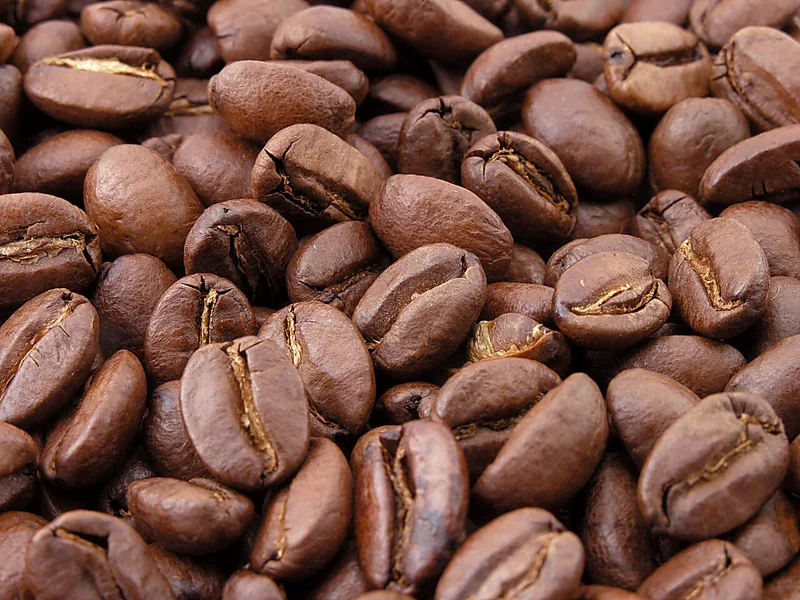
Colombian Supremo is a screen-size grade (screen 17 and above) of washed Arabica grown in Colombia's main coffee belt — the Eje Cafetero — and surrounding highland departments including Huila, Nariño, and Cauca. Colombia is one of the world's largest Arabica producers and has maintained a strictly washed-process tradition that emphasises clean, balanced cups. Supremo-grade coffee is characterised by medium body, caramel and mild-citrus flavour, and low bitterness, making it one of the most widely recognised commercial and specialty origins.
Quick facts
- Type
- Single-Origin Bean
- Origin
- Eje Cafetero and Highland Departments, Colombia
- Roast level
- Medium
- Acidity
- Mild to moderate, citrus
- Body
- Medium
- Finish
- Smooth, caramel
- Tasting notes
- caramel, hazelnut, mild citrus, brown sugar
Colombian Coffee Grades
Colombia grades washed Arabica by screen size at export. Supremo is screen 17 (approx. 6.75 mm) and above — the largest beans from the harvest. Excelso is screen 14–16, comprising smaller beans. Like Kenya's AA designation, Supremo describes screen size rather than flavour, but larger beans from high altitudes tend to be denser with higher sugar content. Both grades are typically washed and processed at centralised collection points (beneficios) across the coffee belt.
Growing Regions
The Colombian coffee belt runs along the three Andean cordilleras. Key departments producing premium Supremo include Huila in the south (known for fruit and acidity), Nariño at altitudes above 2,000 metres (bright and complex), and Cauca (balanced and sweet). The Eje Cafetero — comprising Caldas, Risaralda, and Quindio — produces large volumes of well-balanced commercial-grade Supremo. The Colombian Coffee Growers Federation (FNC) markets Colombian coffee internationally under the Juan Valdez brand.
Processing and Traceability
Colombian Supremo is almost entirely washed: de-pulped, wet-fermented for 12–24 hours, washed, and dried on patios or raised beds. Colombia's geographic and political complexity has made single-farm traceability difficult historically, but the specialty market now regularly offers single-origin Huila, Nariño, and Cauca lots. The FNC's Origin Verification System allows buyers to trace purchase to specific cooperatives, though farm-level traceability remains less common than in Ethiopia or Panama.
Sources & further reading (2)
- encyclopedia — accessed 2026-05-06
- industry-report — accessed 2026-05-06
Frequently asked questions
What is the difference between Colombian Supremo and Excelso?
Supremo is screen 17 and above (larger beans); Excelso is screen 14–16 (smaller beans). Both are washed Arabica from Colombia, and the screen-size difference does not define a consistent flavour gap — the growing altitude, region, and processing quality matter more to cup quality.
Is Colombian Supremo considered specialty coffee?
Colombian Supremo can be either commercial or specialty grade depending on origin, altitude, and lot quality. High-altitude single-farm lots from Huila or Nariño frequently score 84+ on the SCA scale. Commercial-grade Supremo from mixed cooperative lots tends to score lower and is used in commodity blends.
What roast level is most common for Colombian Supremo?
Medium roast is the most common for Colombian Supremo in both specialty and commercial contexts. Medium roast balances caramel sweetness with mild acidity. Dark roasts are used in espresso blends. Light roasts highlight regional character — particularly the fruit notes of Huila lots.