Cold Brew Coffee
Coffee steeped in cold or room-temperature water for 12–24 hours to produce a low-acid, smooth concentrate.
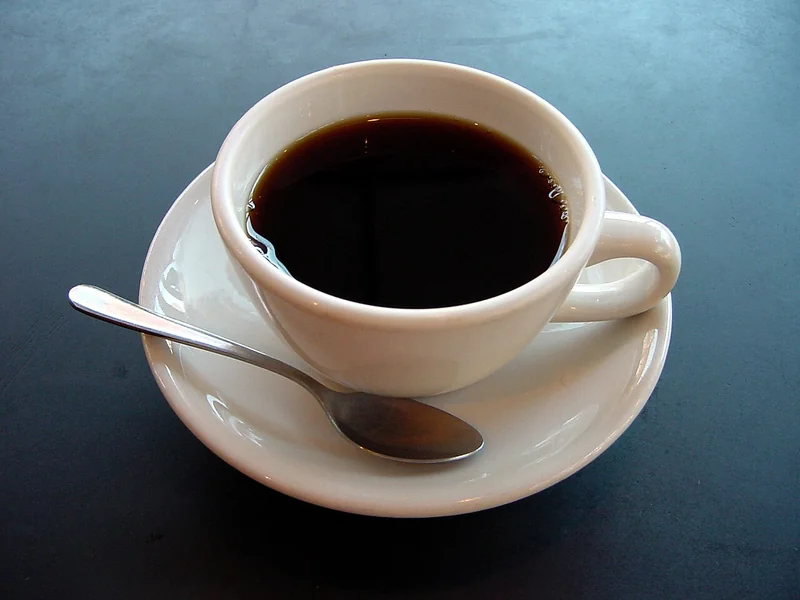
Cold brew coffee is made by steeping coarsely ground coffee in cold or room-temperature water for 12–24 hours without heat. Unlike iced coffee (which is hot-brewed coffee poured over ice), cold brew extracts flavour using only time and water temperature. The absence of heat reduces the extraction of certain acidic and bitter compounds, producing a brew that is noticeably lower in perceived acidity and bitterness than hot-brewed coffee. Cold brew is typically made as a concentrate (1:4–1:5 ratio) and diluted with water or milk before serving. It has a shelf life of 1–2 weeks when refrigerated.
Quick facts
- Type
- Brewing Method
- Brew time
- 12–24 hours
- Ratio
- 1:4 to 1:5 (coffee to water) as concentrate; dilute 1:1–1:2 to serve
- Temperature
- 4–21°C (cold or room temperature)
Chemistry of Cold Extraction
Hot water extracts coffee compounds more efficiently than cold water because higher temperature increases the kinetic energy of water molecules and the solubility of organic acids, sugars, and aromatic compounds. Cold brew compensates for lower extraction efficiency with a much longer steep time (12–24 hours). Certain acidic compounds — particularly chlorogenic acids that degrade into quinic and caffeic acid at high temperature — extract less at cold temperatures, which is why cold brew tastes smoother and less acidic. However, some volatile aromatics present in hot coffee are reduced or absent in cold brew.
Concentrate vs Ready-to-Drink
Cold brew is typically prepared as a concentrate at 1:4 to 1:5 coffee-to-water ratio (e.g., 200 g coffee per 800 ml water). This concentrate is diluted 1:1 with water or milk before drinking. Making concentrate extends refrigerator shelf life (1–2 weeks vs 3–5 days for ready-to-drink) and allows portion control. Ready-to-drink cold brew at 1:8–1:12 ratio is also possible for immersion or slow-drip cold brew towers. Commercial cold brew is often nitrogen-infused (nitro cold brew) to add a creamy texture and foamy head.
Nitro Cold Brew
Nitro cold brew is cold brew infused with nitrogen gas under pressure, served on draught from a keg through a pressurised tap. Nitrogen creates fine bubbles (unlike CO2) because of its low solubility in liquid, producing a thick, creamy head and a smooth, velvety mouthfeel similar to a nitro stout beer. Starbucks popularised nitro cold brew in its stores from 2016. Canned nitro cold brew uses a widget (similar to nitrogen widget in Guinness cans) to reproduce the draught effect.
Sources & further reading (2)
- encyclopedia — accessed 2026-05-06
- industry-standard — accessed 2026-05-06
Frequently asked questions
Is cold brew less acidic than hot coffee?
Cold brew is generally perceived as less acidic than hot-brewed coffee, and some studies show it has lower titratable acidity. The lower pH-raising compounds — particularly those formed from the thermal degradation of chlorogenic acids — are less prevalent in cold brew. However, the acidity reduction is partly a perception effect; cold temperature suppresses acidity sensation regardless of brew method.
How long does cold brew last in the refrigerator?
Cold brew concentrate stored in a sealed container in a refrigerator at 4°C typically stays fresh for 1–2 weeks. Ready-to-drink diluted cold brew (lower concentration) is best consumed within 3–5 days. Freshness declines as volatile aromatics dissipate, not from microbial spoilage in properly refrigerated, undiluted concentrate.
Can I use any coffee for cold brew?
Cold brew works with most coffees. Medium to dark roasts are commonly used because they contribute body and sweetness at cold temperature. Light roasts can work but may show reduced sweetness and more rawness at cold extraction. A coarse grind is important — fine grinds make filtering difficult and can produce sludgy texture.