Chemex Brewing
An hourglass-shaped pour-over vessel using thick bonded filters for an exceptionally clean, sediment-free cup.
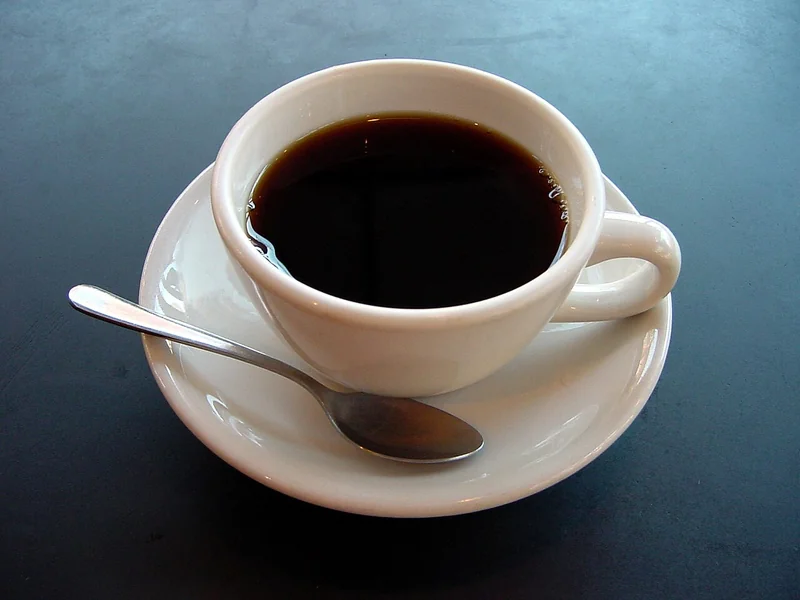
The Chemex is an hourglass-shaped glass coffee maker designed by chemist Peter Schlumbohm in 1941. It uses proprietary bonded paper filters that are 20–30 percent thicker than standard drip filters, removing oils, fine particles, and some bitter compounds from the brew. The result is an exceptionally clean, light-bodied cup that highlights delicate flavours and clarity. Brew time is typically 4–5 minutes for a 30 g dose producing 500 ml, using a coarser grind than the V60. The Chemex is displayed in the Museum of Modern Art in New York as a design object.
Quick facts
- Type
- Brewing Method
- Brew time
- 4–5 minutes
- Ratio
- 1:15 to 1:16 (coffee to water by weight)
- Temperature
- 92–96°C
Design and History
Peter Schlumbohm — a German-American inventor and holder of more than 3,000 patents — designed the Chemex in 1941 while working with laboratory glassware. The hourglass shape is made from non-porous borosilicate glass with a polished wood collar and leather tie at the waist. Schlumbohm patented the folded paper filter technique and the vessel simultaneously. The Chemex appeared in the Smithsonian Institution permanent collection in 1943 and has been displayed in MoMA's permanent collection. It gained a popular revival in the third-wave coffee movement from the 2000s onward.
Thick Filters and Cup Clarity
The Chemex bonded filter is 20–30 percent thicker than standard drip or V60 paper filters. The extra thickness removes more oils (diterpenes such as cafestol and kahweol), finer particles, and some bitter chlorogenic acid compounds. The resulting cup is noticeably lighter in body and cleaner in flavour than a V60 or French press. The thick filter also slows drainage, allowing a slightly longer contact time. Using non-Chemex filters changes the brew significantly and is generally not recommended by specialty brewers.
Brew Technique
Chemex technique differs from V60 primarily in grind size (coarser, closer to medium) and filter fold (the filter folds into a cone with a triple-fold on the spout side). Pre-rinse the filter with hot water, discard rinse water, add coffee, bloom for 45 seconds, then pour in two or three controlled pours. The thick filter slows drainage compared to a V60, so the grind should be coarser to maintain a 4–5 minute total brew time. The Chemex is well-suited to larger-batch brewing (3–8 cups) compared to the single-cup V60.
Sources & further reading (2)
- encyclopedia — accessed 2026-05-06
- industry-standard — accessed 2026-05-06
Frequently asked questions
Why does Chemex coffee taste different from V60?
The thicker Chemex filter removes more oils and fine particles than V60 paper, producing a lighter-bodied, cleaner cup. V60 allows slightly more oils through its thinner filter, giving a marginally fuller body. For very light-roast, floral coffees, the Chemex can produce exceptional clarity. For body-forward coffees, the V60 or French press may be preferred.
Can I use regular paper filters in a Chemex?
Using standard drip paper filters in a Chemex is not recommended because they are too thin and may collapse under the weight of water, causing uneven flow. Chemex-brand bonded filters and compatible square Chemex filters are designed for the vessel's flow rate and fold structure. Some specialty brands produce equivalent alternatives.
What coffee works best in a Chemex?
Light-roast, high-quality single-origin coffees — particularly washed Ethiopian or Kenyan lots with floral and citrus characteristics — show well in a Chemex because the clean cup enhances delicate aromas. The thick filter suppresses bitterness, making it forgiving with slightly darker roasts as well.