Cappuccino
Equal parts espresso, steamed milk, and thick foam — the classic Italian cafe drink served in a 150–180 ml cup.
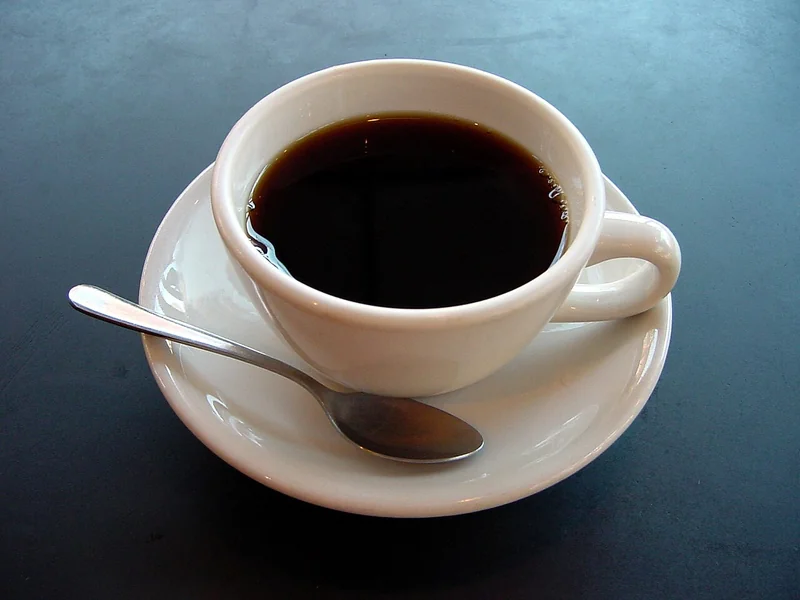
A cappuccino is an Italian espresso-based drink comprising roughly equal volumes of espresso (50–60 ml), steamed milk, and milk foam, traditionally served in a 150–180 ml ceramic cup. The name derives from the brown robes of Capuchin friars — the drink's colour resembles the brown habit against the white collar. A traditional Italian cappuccino is served at breakfast, not after meals. Modern specialty cappuccinos use higher-quality microfoam and precise milk temperatures (60–65°C) to balance the espresso's intensity with milk sweetness.
Quick facts
- Type
- Coffee Drink
- Coffee base
- Double espresso (50–60 ml)
- Milk
- Steamed milk and thick milk foam
- Ratio
- 1:1:1 espresso to steamed milk to foam (approximately)
- Traditional region
- Italy
Traditional vs Modern Cappuccino
A traditional Italian cappuccino (cappuccino tradizionale) is made with approximately 25–30 ml espresso topped with thick, stiff foam — often domed above the rim of the cup. It is always a breakfast drink; ordering a cappuccino after noon is considered culturally unusual in Italy. A modern specialty cappuccino uses a double espresso, microfoam instead of stiff foam, a 150–180 ml cup, and precise milk temperature around 60–65°C. The specialty version aims for balance and integration of espresso and milk flavours rather than separation.
Dry Cappuccino vs Wet Cappuccino
These terms describe the foam-to-steamed-milk ratio. A dry cappuccino has more foam and less steamed milk than standard, making the drink stronger and more distinct. A wet cappuccino has less foam and more steamed milk, making it closer to a latte. In Italian tradition, these distinctions were less defined; the variation in specialty and third-wave coffee shops reflects customisation culture. Most Italian baristas would consider a 'dry' or 'wet' cappuccino an over-specified modifier.
Cappuccino Naming Origins
The Capuchin friars (Ordine dei Frati Minori Cappuccini) wore brown habits with a white hood. The colour and contrast of the cappuccino — espresso brown with a white foam cap — prompted the comparison to the friar's clothing. Written references to 'Kapuziner' — a coffee mixed with milk and cream of similar colour — appear in Austrian and Viennese records from the 1800s. The Italian espresso-based cappuccino as currently defined emerged in the early 20th century following espresso machine development.
Sources & further reading (2)
- encyclopedia — accessed 2026-05-06
- industry-standard — accessed 2026-05-06
Frequently asked questions
What is the difference between a cappuccino and a latte?
A cappuccino uses a higher proportion of foam and less total milk than a latte, resulting in a drier, stronger espresso flavour. A cappuccino is typically 150–180 ml; a latte is 180–240 ml. The cappuccino has a more distinct layering or integrated thick foam; the latte has thin, velvety microfoam with latte art. Both use espresso and steamed milk but at different ratios.
What temperature should cappuccino milk be steamed to?
The SCA Coffee Association standard for espresso milk drinks targets 55–65°C. For cappuccino, 60–65°C is typical — hot enough to dissolve sugars in the milk and produce sweetness, but below 70°C where proteins denature and produce a scorched or flat flavour. Holding your hand on the pitcher and removing when uncomfortably hot is a rough practical guide.
Can I make cappuccino without an espresso machine?
A true cappuccino requires an espresso shot and steamed milk from a steam wand. You can approximate it with Moka pot coffee (as espresso substitute) and milk frothed with a handheld frother or a French press plunger technique. The result will lack true crema and microfoam structure but may satisfy the flavour profile at home.