Brazilian Santos
A low-acid, full-bodied Arabica exported through the port of Santos — the backbone of countless espresso blends.
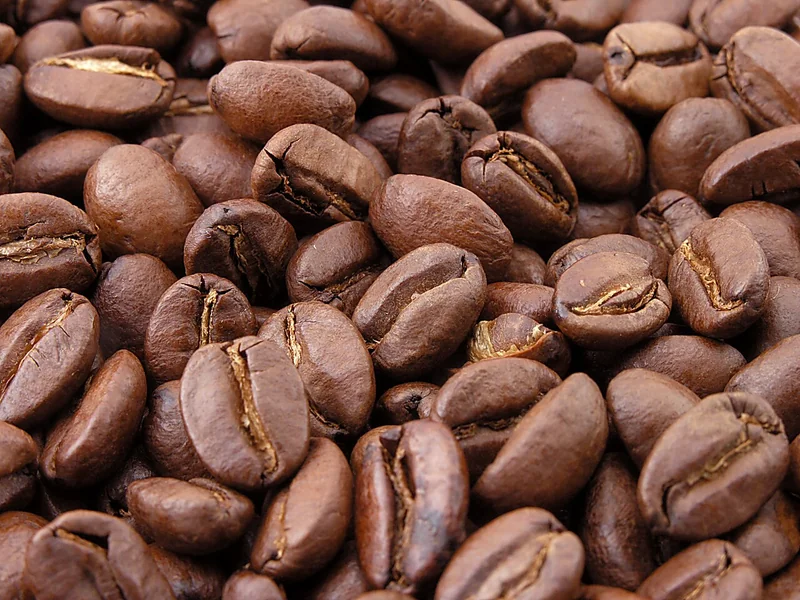
Brazilian Santos is a commercial designation for washed or pulped-natural Arabica shipped from the Port of Santos in Sao Paulo state. Brazil is the world's largest coffee producer, and Santos-export coffees predominantly come from the states of Minas Gerais, Sao Paulo, and Espirito Santo at lower altitudes (900–1,200 metres) compared to Central American or East African origins. The cup profile is typically low in acidity, full-bodied, with chocolate and nut notes — qualities that make Santos a staple foundation bean for espresso and filter blends worldwide.
Quick facts
- Type
- Single-Origin Bean
- Origin
- Minas Gerais, Sao Paulo, and Espirito Santo, Brazil
- Roast level
- Medium
- Acidity
- Low
- Body
- Full
- Finish
- Smooth, chocolatey
- Tasting notes
- dark chocolate, almond, brown sugar, mild cedar
The Santos Export Name
Santos is not a growing region but a port designation — the Port of Santos in Sao Paulo has been Brazil's primary coffee export hub since the 19th century. Santos No. 2 and Santos No. 4 are historical green-coffee trade grades based on the number of defects per 300 g sample. These numerical grades are still used in commercial markets, though specialty buyers now request lot-specific provenance from Minas Gerais cerrado, Chapada de Minas, or Sul de Minas sub-regions.
Processing Methods
Brazil uses three main processing methods. Natural (dry) processing — drying the whole cherry — is the most common and contributes to low acidity and full body. Pulped natural (honey) processing removes the skin but retains the mucilage during drying, producing a sweet, syrupy cup. Washed processing is less common and produces a cleaner but still low-acid cup. Natural Brazilian lots form the backbone of Italian and commercial espresso blends because they add body and sweetness without sharpness.
Role in Espresso Blends
Brazilian Santos and similar natural-process Brazilian Arabicas are among the most widely used foundation beans in commercial and specialty espresso blends. Their low acidity, full body, and chocolate-nut flavour balance higher-acidity origins such as Colombian or Ethiopian beans, creating a round and balanced espresso. Many classic Italian espresso blends use 50–70 percent Brazilian base beans combined with smaller portions of East African or Asian Arabica.
Sources & further reading (2)
- encyclopedia — accessed 2026-05-06
- industry-standard — accessed 2026-05-06
Frequently asked questions
Is Brazilian Santos always a natural-process coffee?
The majority of Brazilian Santos exported commercially is natural-process or pulped-natural. Washed Brazilian coffees exist but are less common. The natural process is favoured because Brazil's low rainfall patterns and flat terrain suit large-scale mechanical drying.
Why is Brazilian coffee low in acidity?
Brazil's main coffee-producing regions sit at lower altitudes (900–1,200 m) than Ethiopian or Colombian origins. Lower altitude means slower sugar development and less malic and citric acid formation in the bean. The natural process also reduces perceived acidity by adding sweetness from the dried fruit.
Can Brazilian Santos be used for filter coffee?
Yes. Brazilian Santos works well in filter coffee, particularly in blends. Single-origin Brazilian coffees at medium or medium-dark roast produce a smooth, chocolatey filter cup. They lack the brightness of African origins but provide sweetness and body.