Blade Grinder
A coffee grinder using a spinning metal blade — widely available but produces inconsistent particle sizes.
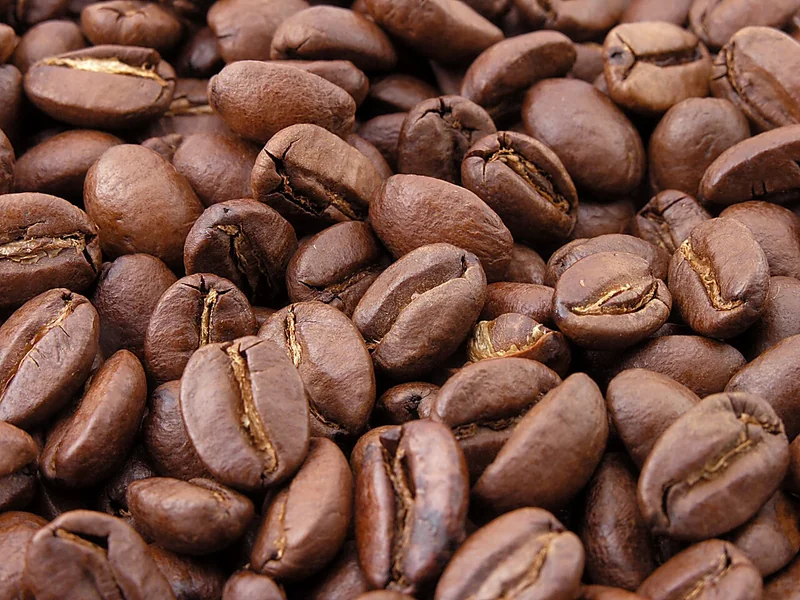
A blade grinder is a coffee grinding device that uses a spinning metal blade (similar to a food processor blade) to chop coffee beans into particles. Grind size is controlled by running time — longer grinding produces finer average particle size. The fundamental limitation is that blade grinders produce highly inconsistent particle size distributions, with a mix of powder, medium particles, and large chunks from the same batch. Inconsistent grind size causes simultaneous over-extraction (from fines) and under-extraction (from coarse particles), producing bitter and sour notes in the same cup.
Quick facts
- Type
- Equipment
- Gear type
- Grinder
Why Blade Grinders Produce Inconsistent Grinds
A blade grinder's spinning blade does not control the path of bean particles — beans bounce randomly around the chamber, some hit the blade many times and become powder while others hit it once or twice and remain large. The operator has no direct control over particle size; only running time can approximate a coarser or finer average. The result is a bimodal or multimodal distribution: a large population of fine dust and a large population of coarse chunks with few particles in the target range. This distribution cannot be corrected after grinding. For espresso, the fine dust would clog the puck and cause channelling; for French press, the fines pass through the mesh and produce a muddy, over-extracted cup.
Where Blade Grinders Are Acceptable
Blade grinders produce functional results for purposes where grind consistency is less critical: French press coffee tolerates coarse inconsistency better than pour-over because immersion brewing averages over particle variation to some degree; stovetop moka pot can work with moderately inconsistent grind; spice grinding (cumin, coriander) is unaffected by size inconsistency. For drip coffee makers with paper filters, a blade grinder produces a technically drinkable cup, though noticeably inferior to a burr grinder. Blade grinders are inappropriate for espresso, AeroPress fine technique, and any pour-over that requires dial-in precision.
Blade Grinder vs Burr Grinder Cost
A basic blade grinder costs approximately $15–30. An entry-level burr grinder adequate for French press and drip coffee costs approximately $40–80 (Baratza Encore, Bodum Bistro). An espresso-capable burr grinder starts at approximately $150–200. The cost difference between blade and entry-level burr is modest relative to the improvement in cup quality for daily brewing. The specialty coffee community universally recommends a burr grinder as the single highest-impact equipment upgrade for home coffee quality, surpassing upgrades to the coffee maker itself.
Sources & further reading (2)
- encyclopedia — accessed 2026-05-06
- industry-standard — accessed 2026-05-06
Frequently asked questions
Is a blade grinder OK for drip coffee?
A blade grinder produces drinkable drip coffee, but the inconsistent particle distribution extracts unevenly, producing a cup that is simultaneously bitter (from fines) and weak or sour (from under-extracted coarse chunks). The result is noticeably inferior to the same coffee brewed with a burr grinder. For casual daily drip coffee where flavour nuance is not a priority, a blade grinder is functional. For specialty single-origin coffee where origin flavour is the point, a blade grinder masks it.
Can I use a blade grinder for espresso?
Using a blade grinder for espresso produces poor results and can damage the espresso machine. The fine powder generated by blade grinding can over-extract intensely and clog the portafilter basket, creating very high backpressure. The coarse chunks under-extract simultaneously. The result is a bitter, muddy shot that does not represent the espresso potential of the coffee. Espresso requires a burr grinder with fine adjustment capability.
How do I improve blade grinder results?
The most effective technique is pulse grinding: running the grinder in short 2–3 second pulses and shaking the chamber between pulses to redistribute beans, increasing the probability of even contact with the blade. Cooling the chamber between pulses reduces heat build-up that can affect aromatics. These techniques reduce (but do not eliminate) the particle size inconsistency. Sifting the ground coffee through a mesh to remove fines before brewing further improves the distribution but adds time and wastes coffee.