AeroPress Brewing
A compact, versatile brewer combining immersion and pressure to extract smooth, balanced coffee in under two minutes.
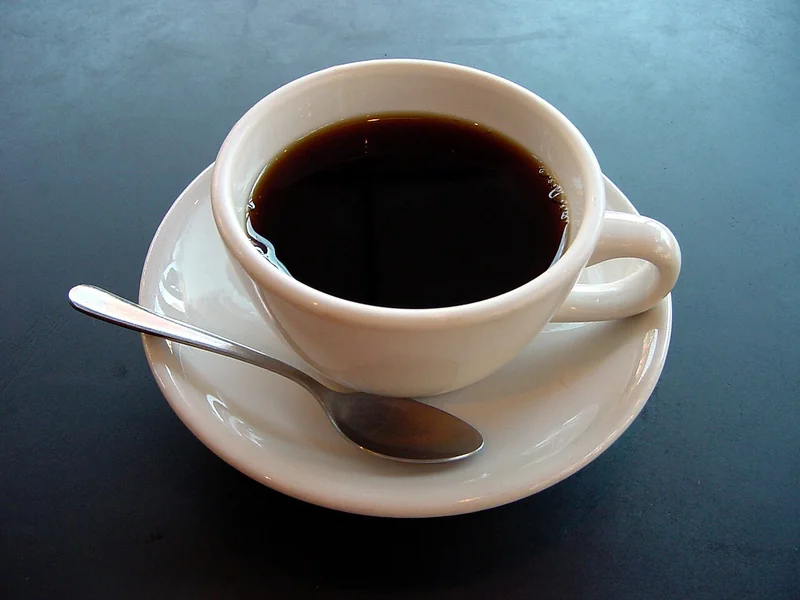
The AeroPress is a compact brewing device invented by Aerobie engineer Alan Adler and released in 2005. It consists of two polycarbonate cylinders — a brewing chamber and a plunger — and uses a small paper or metal micro-filter. Coffee steeps briefly in the chamber, then the plunger is pressed to force the brew through the filter in 20–60 seconds, using 0.35–0.75 bar of manual pressure. The result is a smooth, full-flavoured, low-acid cup with minimal bitterness. The AeroPress is popular among travellers and baristas because of its versatility, durability, and speed.
Quick facts
- Type
- Brewing Method
- Brew time
- 1–2 minutes total (20–60 seconds press)
- Ratio
- 1:10 to 1:15 depending on recipe
- Pressure
- 0.35–0.75 bar (manual)
- Temperature
- 80–95°C (recipe dependent)
Design and Invention
Alan Adler, the inventor of the Aerobie flying disc, designed the AeroPress in 2005 while trying to reduce bitterness in single-cup coffee. The device consists of a cylindrical brewing chamber with a basket at the base that holds a microfilter (paper or metal), and a plunger that seals the chamber. Pressing the plunger takes 20–60 seconds and creates gentle pressure. The device disassembles for cleaning in seconds. Because it is made of durable plastic, it is resistant to breakage and suitable for travel and camping.
Original and Inverted Methods
The standard (original) method places the AeroPress filter-side down on a cup, adds coffee and water, steeps briefly, then presses. The inverted method flips the device so the plunger seals the chamber from below, preventing premature drip during the steep. Water is added to the inverted chamber, coffee steeps for 1–2 minutes, then the entire device is flipped onto the cup and pressed. The inverted method gives the brewer more control over steep time and is preferred by many specialty brewers. Both methods can produce excellent results.
World AeroPress Championships
The World AeroPress Championship (WAC) began in Oslo in 2008, organised by Tim Williams and Tim Varney. National competitions are held in dozens of countries, with winners competing at the annual world final. Competitors submit original recipes within time limits. The event has produced hundreds of documented and tested recipes, many published freely online. AeroPress competitions have been influential in spreading experimental coffee brewing culture and in documenting the range of flavour profiles achievable with the device.
Sources & further reading (2)
- encyclopedia — accessed 2026-05-06
- manufacturer-guide — accessed 2026-05-06
Frequently asked questions
Is AeroPress coffee similar to espresso?
AeroPress produces concentrated coffee at much lower pressure than espresso (0.35–0.75 bar vs 9 bars). The result is smoother and less bitter than espresso and lacks true espresso crema, but can have a similar concentration level if brewed at a 1:2–1:4 ratio. It is not a substitute for espresso in milk-based drinks because it lacks the emulsified oil layer that forms crema.
What grind size works best for AeroPress?
AeroPress is flexible — medium-fine to medium grind works for standard recipes. Finer grinds need shorter steep times and slower presses; coarser grinds suit longer steeps. The inverted method with a 2-minute steep typically uses medium grind. There is no single correct grind; hundreds of World AeroPress Championship recipes document the range.
Can AeroPress use lower water temperature?
Yes. Some AeroPress recipes use 80–85°C water to reduce bitterness, particularly with darker roasts. Lower temperature extracts fewer bitter compounds (chlorogenic acids) while still extracting sugars and aromatics. The short steep time and small water volume mean temperature drops quickly, so starting at the correct temperature is important.