Hoya imperialis
Hoya imperialis (Imperial Hoya) Care Guide
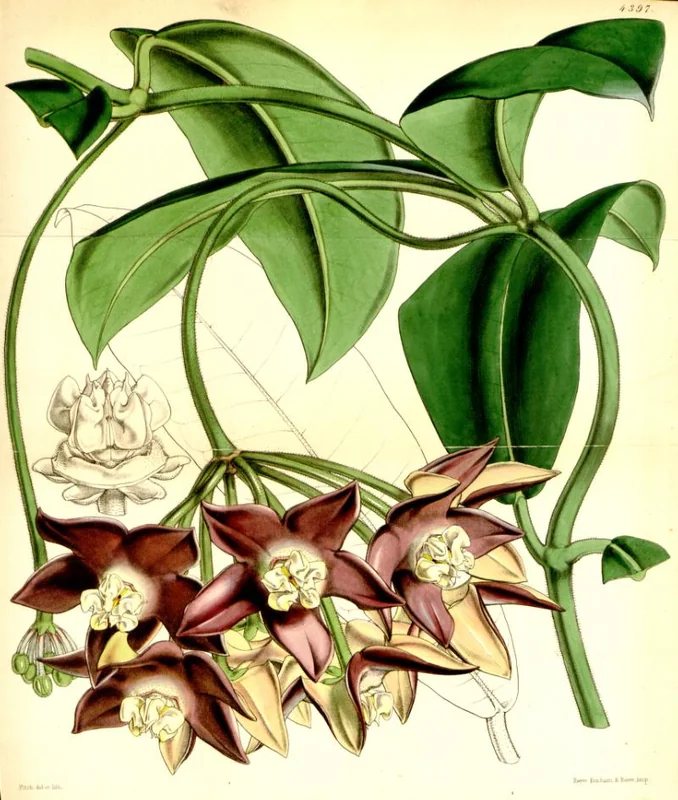 Featured photohoya-imperialis.jpg
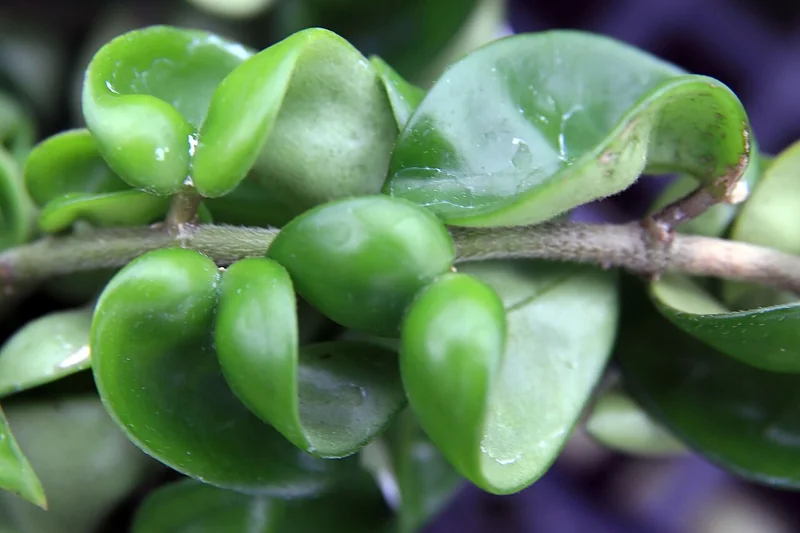
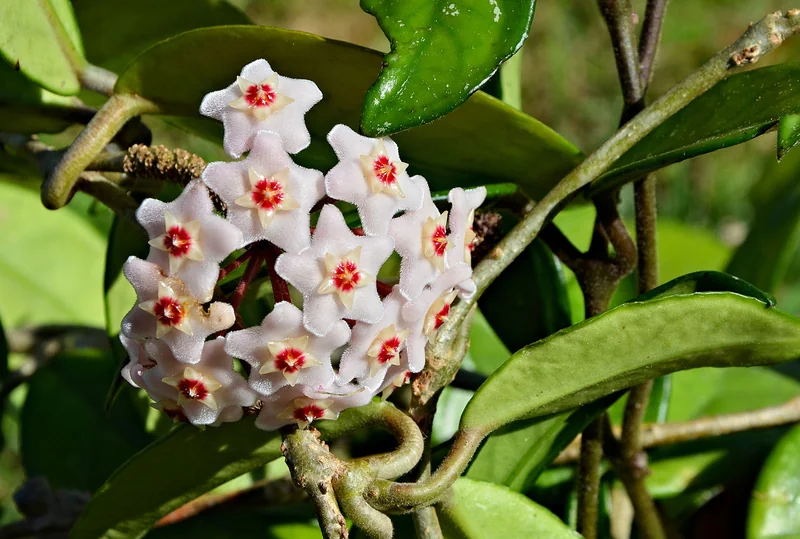
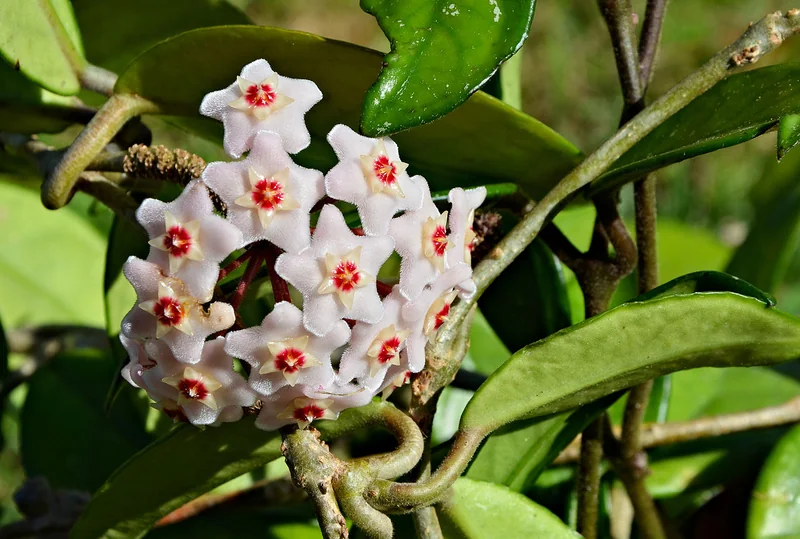
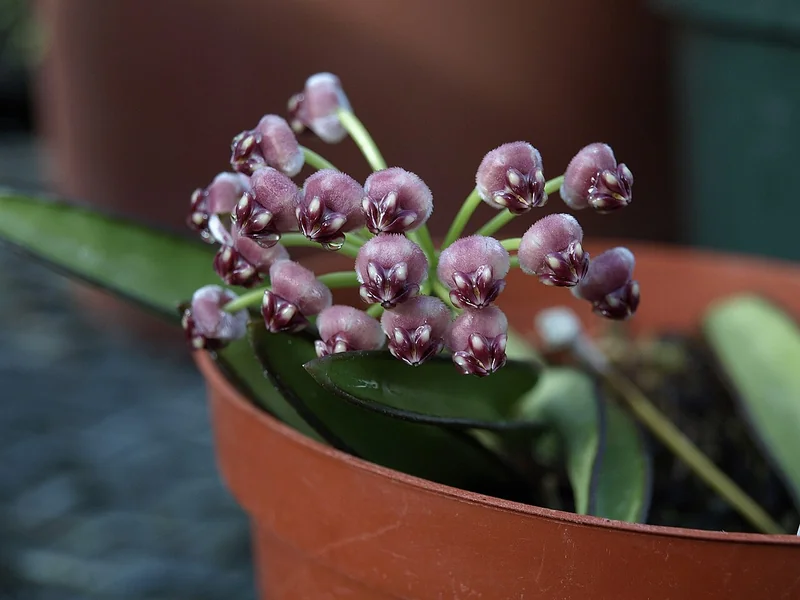
Hoya imperialis, sold as Imperial Hoya, is a member of *Hoya*, a tropical Asian epiphytic vine genus in Apocynaceae. A Bornean and Malaysian Hoya with very large dark-green oval leaves and unusually large flower clusters of deep red waxy stars (each flower up to 8 cm across), the largest blooms in the genus. Like most Hoya it grows slowly and blooms on short woody peduncles that produce successive flushes of waxy star-shaped flowers.
Care facts at a glance
- Light
- Bright indirect
- Water
- Water when the top 3 cm of mix has dried.
- Humidity
- 50–70 %
- Temperature
- 18–27 °C
- Soil
- Free-draining epiphytic mix of orchid bark, perlite, and a small fraction of coco coir.
- Origin
- Tropical and subtropical Asia and the Pacific, mostly epiphytic in forest canopies.
- Mature size
- Trailing or twining stems to 2 m or more on mature plants.
Overview
Hoya imperialis sits in Hoya, a hyperdiverse tropical Asian genus where new species are still being described almost every year from Borneo, the Philippines, and New Guinea. A Bornean and Malaysian Hoya with very large dark-green oval leaves and unusually large flower clusters of deep red waxy stars (each flower up to 8 cm across), the largest blooms in the genus. Hoya flowers form on persistent woody flower stalks (spurs) that bloom repeatedly across years — never cut a spur off after flowering, because the same spur produces every subsequent flush of blooms.
Care Priorities
- Bright filtered light keeps stems compact and supports flowering.
- Free-draining epiphytic mix with orchid bark.
- Water when the top 3 cm of mix is dry; reduce in winter.
- Never cut off the woody flower spurs — they bloom repeatedly across years.
Common Problems
Failure to flower is most often insufficient bright light or repotting too frequently — Hoya bloom best when slightly root-bound. Yellow leaves are usually overwatering. Mealybugs cluster in leaf axils and on flower spurs.
Sources & further reading (2)
- encyclopedia — accessed 2026-04-29
- botanical-garden — accessed 2026-04-29
Frequently asked questions
Why are the flowers so big?
H. imperialis has the largest flowers of any Hoya — individual blooms reach 8 cm across, dramatically larger than the typical 1 to 2 cm of common species. The size is genus-extreme and the species was named for the regal proportions.
Why does my Hoya never bloom?
Hoya needs sustained bright filtered light, slightly root-bound conditions, and patience to flower — many plants take three to five years before producing their first bloom. Once flowering, the woody peduncle (flower spur) blooms repeatedly across years; cutting the spur off resets the cycle.
Should I repot my Hoya frequently?
No — Hoya prefer to stay slightly root-bound and resent root disturbance. Repot only every 3 to 5 years, sizing up just one pot diameter at a time. Frequent repotting checks growth and delays flowering.