Aeonium haworthii
Aeonium haworthii (Pinwheel Aeonium) Care Guide
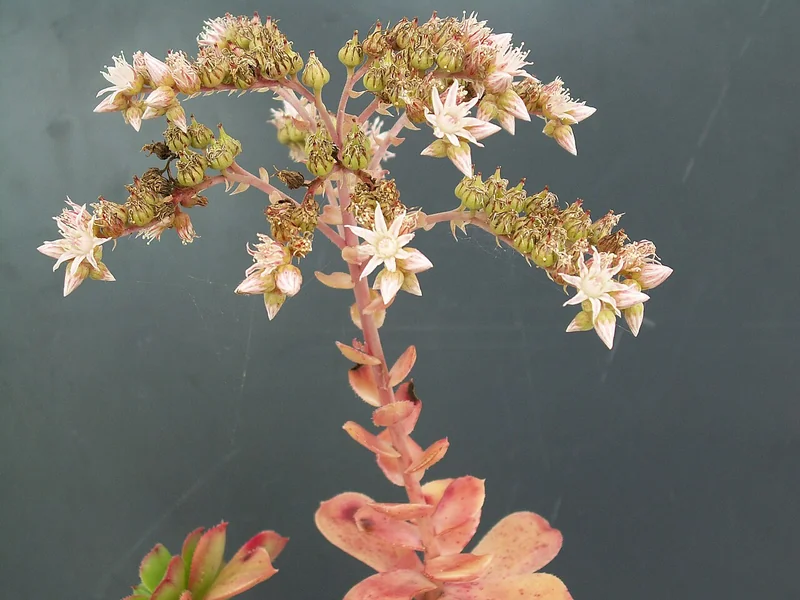 Featured photoaeonium-haworthii.jpg
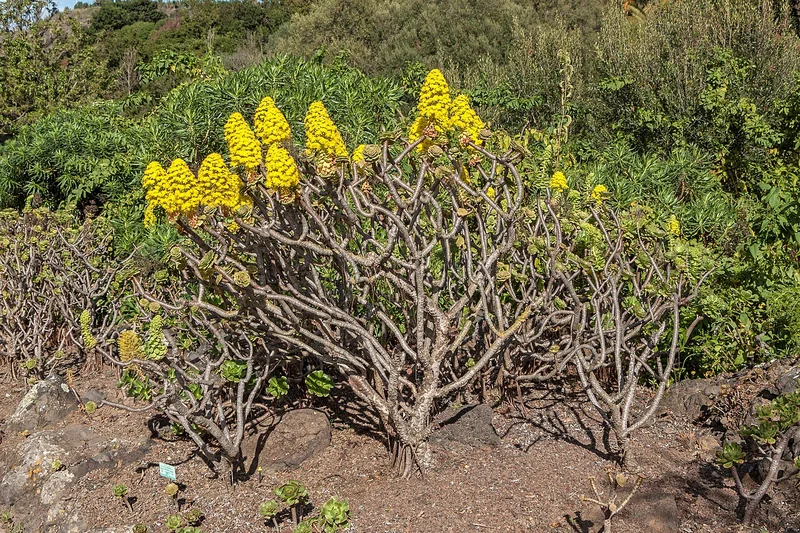
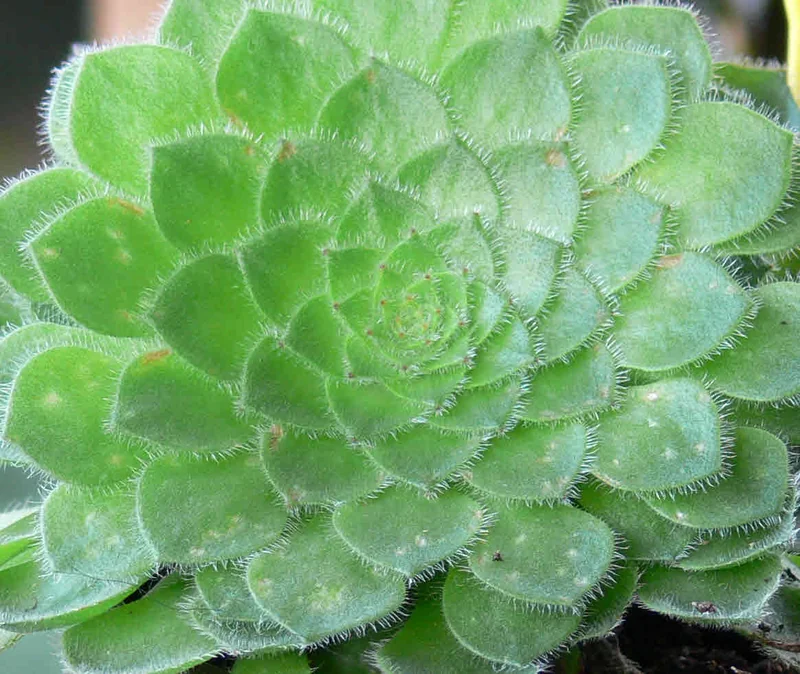
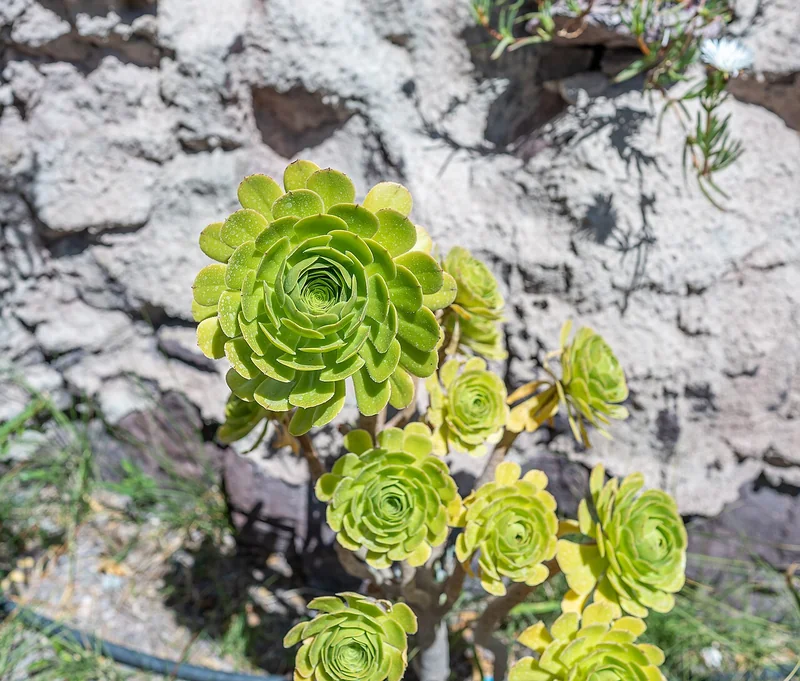
Aeonium haworthii, sold as Pinwheel Aeonium, is a member of *Aeonium*, a Canary Islands genus of about 35 woody-stemmed rosette succulents in Crassulaceae. A Tenerife-native branching Aeonium with small flat rosettes of blue-green leaves edged in red, on slender woody stems. Branches profusely from the base, forming dense dome-shaped clumps. Aeoniums grow during cool wet winters and rest in hot dry summers — the reverse seasonal rhythm of most northern-hemisphere succulents.
Care facts at a glance
- Light
- Full sun
- Water
- Water deeply when the mix has dried, more often in winter active growth than summer rest.
- Humidity
- 30–50 %
- Temperature
- 10–24 °C
- Soil
- Free-draining cactus or succulent mix with extra perlite or pumice.
- Origin
- Canary Islands and adjacent Madeiran archipelago, with a few species in North Africa.
- Mature size
- 20 to 100 cm tall depending on species; some develop tall woody trunks.
Overview
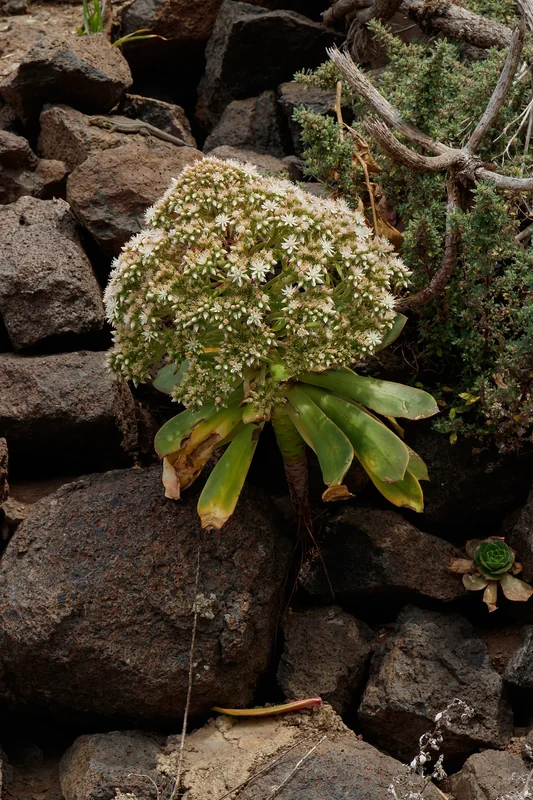
Aeonium haworthii sits in Aeonium, an oceanic-island radiation native to the Canaries with a few outliers in Madeira and North Africa. A Tenerife-native branching Aeonium with small flat rosettes of blue-green leaves edged in red, on slender woody stems. Branches profusely from the base, forming dense dome-shaped clumps. Most species are monocarpic at the rosette level — once a rosette flowers, it dies, but the plant survives as long as side branches keep growing.
Care Priorities
- Full sun or very bright filtered light to keep rosettes tight.
- Water during cool wet winters; ease back during hot dry summer rest.
- Free-draining gritty mix.
- Provide a cool winter rest below 15 °C to encourage spring growth.
Common Problems
Closing rosettes are a normal summer-rest signal — leave the plant alone and watering returns in autumn. Soft mushy stems are overwatering during summer rest. Lower-leaf drop on tall plants is structural — Aeoniums lift on bare woody stems as they mature.
Sources & further reading (2)
- encyclopedia — accessed 2026-04-29
- botanical-garden — accessed 2026-04-29
Frequently asked questions
Why is mine branching so much?
A. haworthii branches more readily than most Aeonium — that is the species' natural architecture, not a stress response. Tip-pinching mature rosettes encourages even more branching.
Why is my Aeonium closing up in summer?
Aeoniums close their rosettes during the hot summer rest period — it is the species protecting the growing point against heat and water stress. Reduce watering sharply, move out of direct midday sun, and the rosette opens again in autumn.
Will my Aeonium die after it flowers?
The flowering rosette dies after blooming — that is monocarpy. The plant as a whole survives if it has produced side branches; remove the spent rosette at the base and the remaining branches keep growing.