Canis lupus familiaris
Saluki
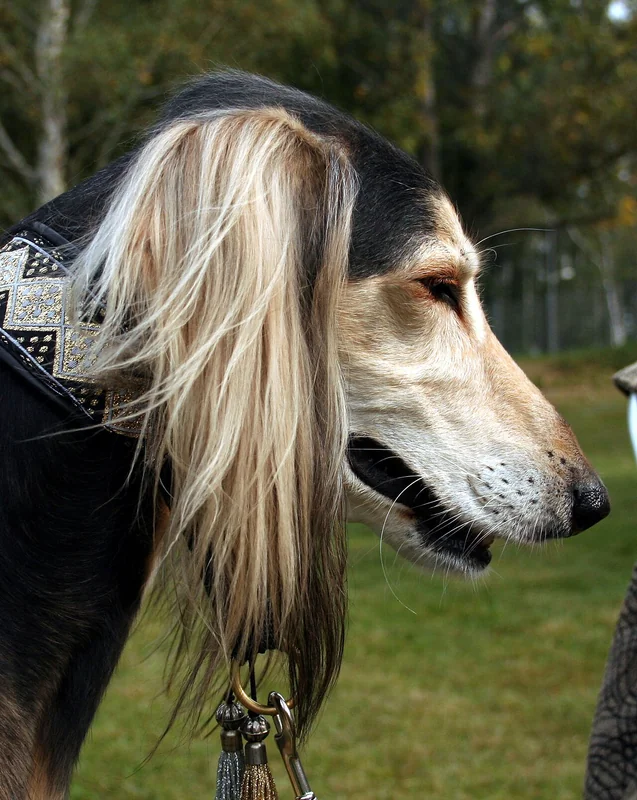 Featured photosaluki.jpg
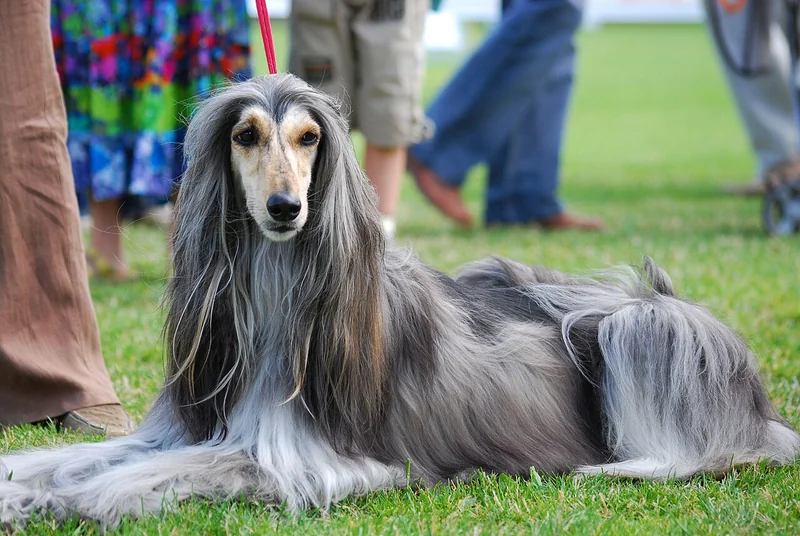
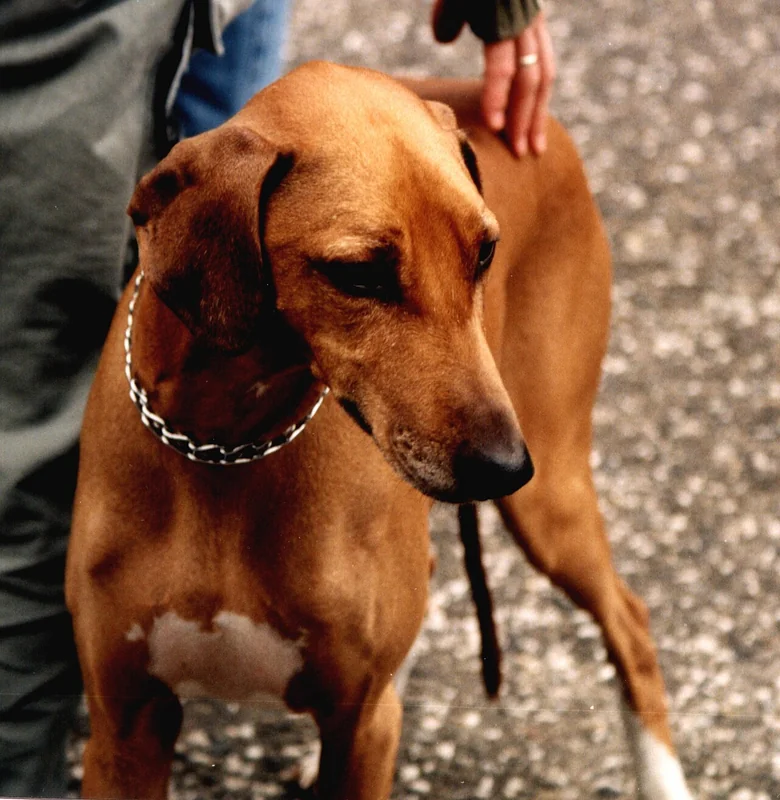
The Saluki is a 6,000-year-old Bedouin coursing sighthound of the Fertile Crescent. The Saluki is one of the oldest documented dog breeds, with sighthound types closely matching the modern Saluki depicted on the walls of Egyptian tombs of the Sixth Dynasty (c. 2200 BCE) and on ceramic vessels from the ancient Mesopotamian city of Susa (c. 4000 BCE).
Quick facts
- AKC group
- Hound
- Origin country
- Middle East (Fertile Crescent)
- Origin period
- Antiquity (4000+ BCE)
- Coat type
- Medium
- Coat colors
- Any color or combination — white, cream, fawn, red, golden, grizzle, tan, black-and-tan, tricolor
- Average lifespan
- 12-14 years
- Recognition
- AKC 1929 · FCI 1955 · UKC 1956 · Group 10 — Sighthounds (Section 1: Long-haired or fringed Sighthounds)
Origin
The Saluki is one of the oldest documented dog breeds, with sighthound types closely matching the modern Saluki depicted on ceramic vessels from the ancient Mesopotamian city of Susa (c. 4000 BCE), in Egyptian tomb paintings of the Sixth Dynasty (c. 2200 BCE), and in countless Achaemenid Persian and Hellenistic-era reliefs. The breed has been kept by Bedouin tribes of the Fertile Crescent as a coursing sighthound for gazelle and hare for at least 6,000 years and was traditionally never sold but only given as a gift between tribes — a practice that preserved the working line in regional purity. The breed reached England in 1840 (a single dog brought back from a Persian campaign) and was formalized as a registered breed in 1923 by the Saluki or Gazelle Hound Club; the AKC followed in 1929.
Recognition
The American Kennel Club admitted the breed in 1929, the United Kennel Club followed in 1956, and the Federation Cynologique Internationale published the international standard (FCI No. 269) in 1955. The FCI assigns the breed to Group 10 — Sighthounds (Section 1: Long-haired or fringed Sighthounds).
Standard
The AKC and FCI standards describe a hound of grace and symmetry, of great speed and endurance, coupled with strength and activity, with a long, narrow, well-balanced head and a deep but not too wide chest. Two coat varieties are recognized: smooth (no feathering) and feathered (longer hair on the ears, the underside of the tail, and the backs of the legs). Any colour is acceptable. Males stand 61-71 cm at the withers, females 58-66 cm.
Sources & further reading (3)
- kennel-club-registry — accessed 2026-04-30
- encyclopedia — accessed 2026-04-30
- fci-standard — accessed 2026-04-30
Frequently asked questions
What is the Saluki's AKC group?
The American Kennel Club places the Saluki in the Hound Group. The Hound Group gathers breeds developed for the hunt, broadly split into scent hounds (Bloodhound, Beagle, Coonhounds) and sight hounds (Greyhound, Whippet, Borzoi). The breed's foundation working role was as a 6,000-year-old Bedouin coursing sighthound of the Fertile Crescent.
When was the Saluki officially recognized?
The American Kennel Club admitted the breed in 1929; the United Kennel Club followed in 1956; the Federation Cynologique Internationale published the international standard (FCI No. 269) in 1955.
What is the average lifespan of a Saluki?
Kennel-club longevity surveys place the Saluki's average lifespan in the 12-14 years range. The figure here represents the spread reported by the major parent-club studies and the Kennel Club (UK) purebred-dog health surveys.